


Valery Kikta
Released Album
Choral
-
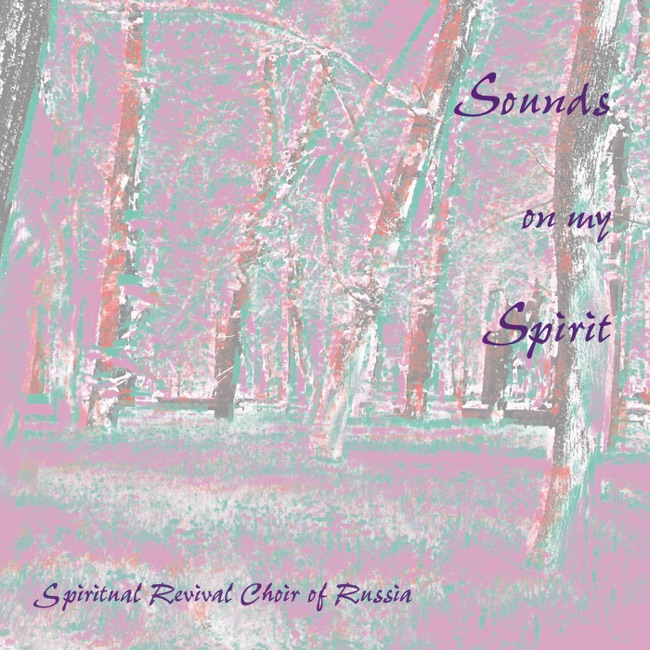 September 11, 2001
 -
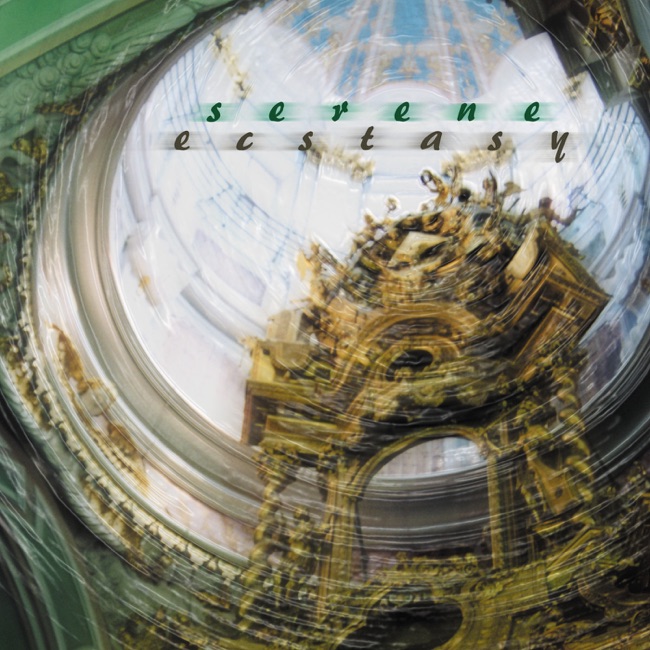 August 29, 2000
Chamber
-
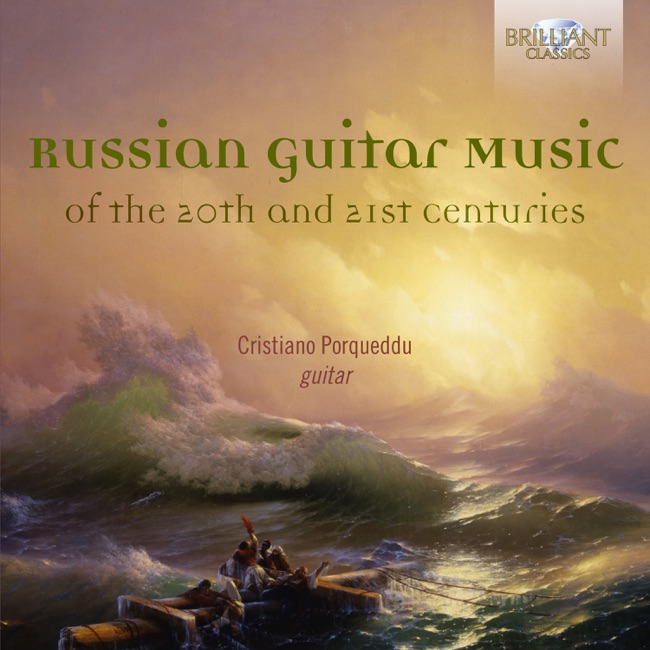 June 23, 2017
Artist Info
Role:ComposerBirth:1941Period:ContemporaryGenre:BalletChamberChoralValery Kikta was a renowned classical music composer who was born on August 28, 1941, in the city of Moscow, Russia. He was born into a family of musicians, and his father was a well-known composer and conductor. Kikta's early exposure to music and his family's musical background played a significant role in shaping his musical career. Kikta began his musical education at the Moscow Conservatory, where he studied composition under the tutelage of Yuri Shaporin, a prominent Russian composer. He graduated from the conservatory in 1965 and went on to pursue a career in music composition. Kikta's early works were heavily influenced by the Russian classical music tradition, and he was known for his use of traditional Russian folk melodies in his compositions. His early works include the Symphony No. 1, which was composed in 1968, and the Concerto for Violin and Orchestra, which was composed in 1970. In the 1970s, Kikta's music began to evolve, and he started experimenting with new musical forms and styles. He was particularly interested in the use of electronic music and incorporated electronic sounds into his compositions. His works from this period include the Symphony No. 2, which was composed in 1974, and the Concerto for Piano and Orchestra, which was composed in 1976. Kikta's music continued to evolve throughout the 1980s and 1990s, and he became known for his use of unconventional musical forms and structures. He was particularly interested in the use of mathematical principles in music composition and used mathematical formulas to create complex musical structures. His works from this period include the Symphony No. 3, which was composed in 1982, and the Concerto for Cello and Orchestra, which was composed in 1990. Kikta's music was widely acclaimed, and he received numerous awards and honors throughout his career. In 1986, he was awarded the State Prize of the USSR for his contributions to music composition. He was also awarded the Order of Merit for the Fatherland, one of Russia's highest honors, in 2001. Kikta's most famous works include the Symphony No. 4, which was composed in 1995, and the Concerto for Orchestra, which was composed in 2000. The Symphony No. 4 is a complex and intricate work that incorporates elements of electronic music and traditional Russian folk melodies. The Concerto for Orchestra is a dynamic and energetic work that showcases Kikta's mastery of orchestration and musical form. Kikta continued to compose music until his death on December 18, 2015, at the age of 74. His contributions to classical music composition have had a lasting impact on the genre, and his works continue to be performed and celebrated by musicians and music lovers around the world.More....
Copyright Ⓒ 2013 Davinci Finger. All rights reseved
Service Terms & Policy