


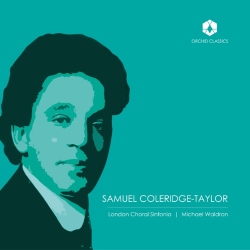
Samuel Coleridge-Taylor
Released Album
Keyboard
-
 April 23, 2024
 -
 March 22, 2024
 -
 March 1, 2024
 -
 February 16, 2024
 -
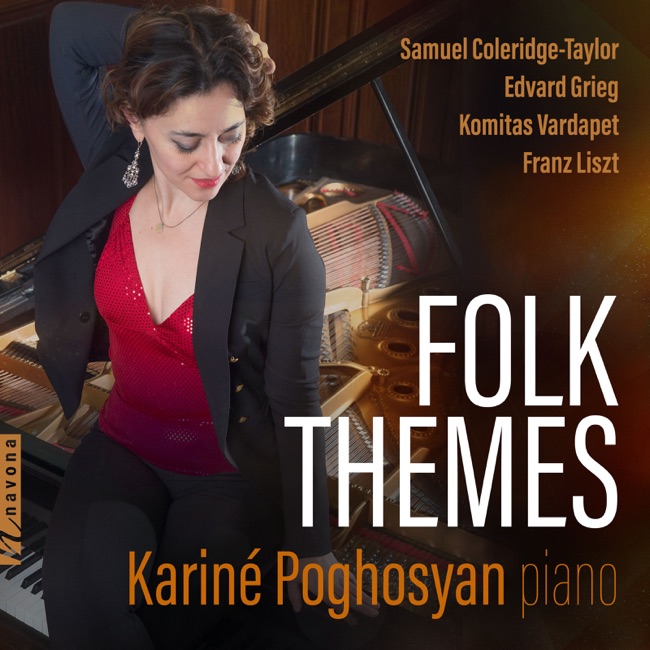 February 3, 2023
 -
 October 5, 2022
Orchestral
-
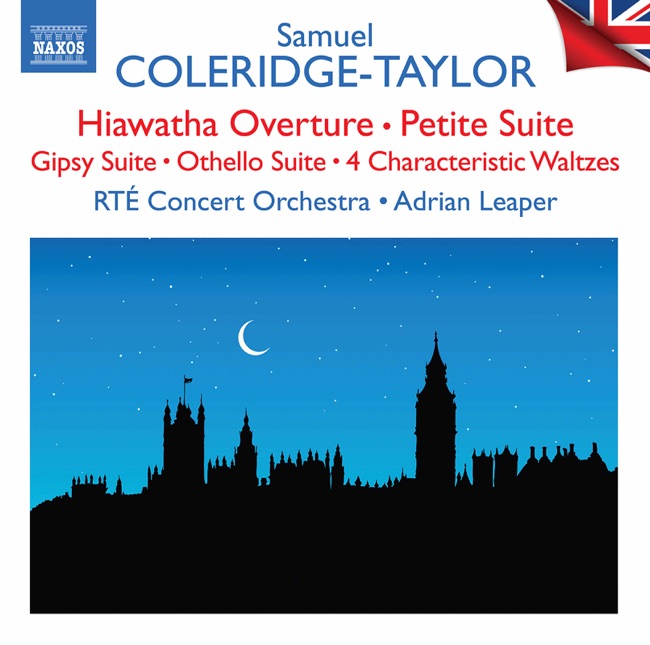 February 11, 2022
 -
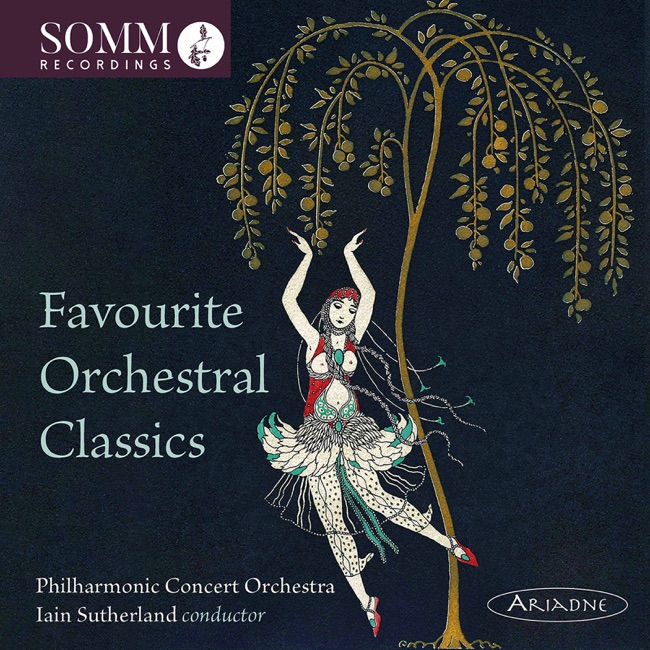 May 21, 2021
 -
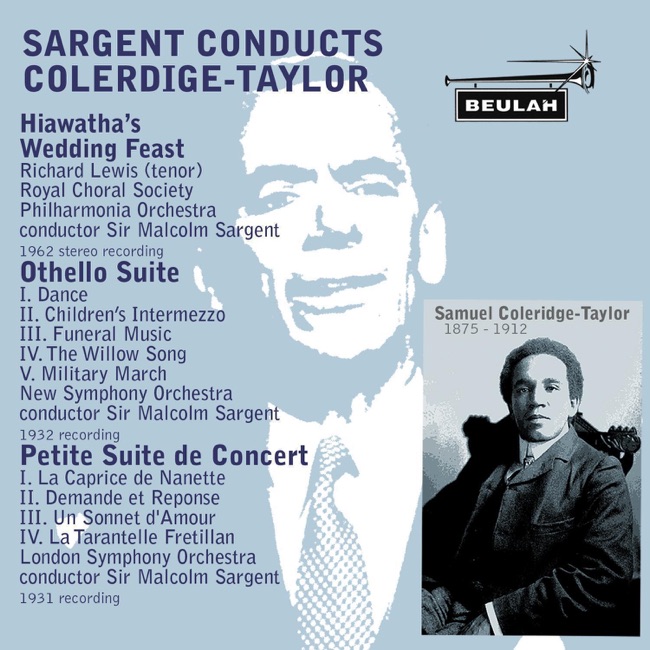 June 17, 2013
 -
 February 11, 2013
 -
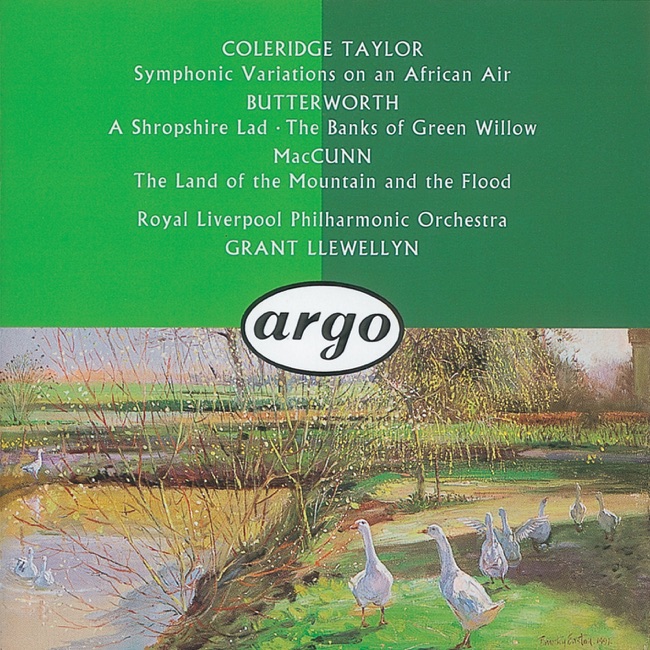
-
 January 12, 2010
Chamber
-
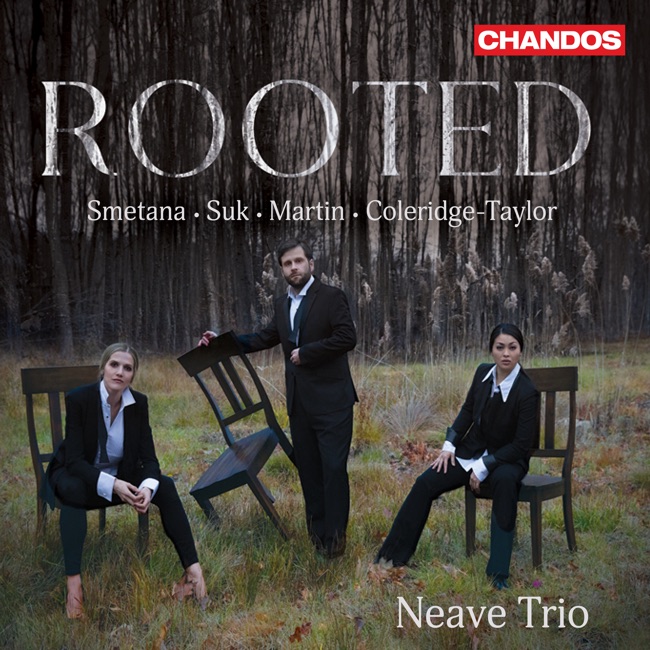 July 5, 2024
 -
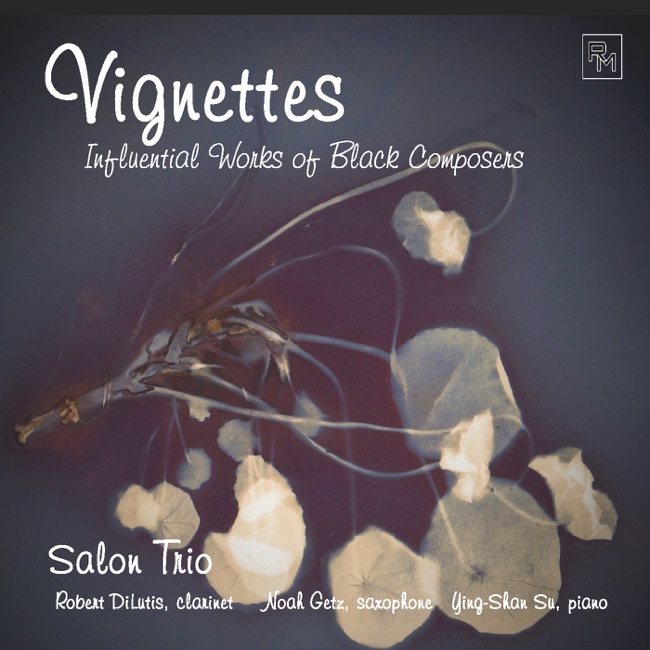 August 15, 2023
 -
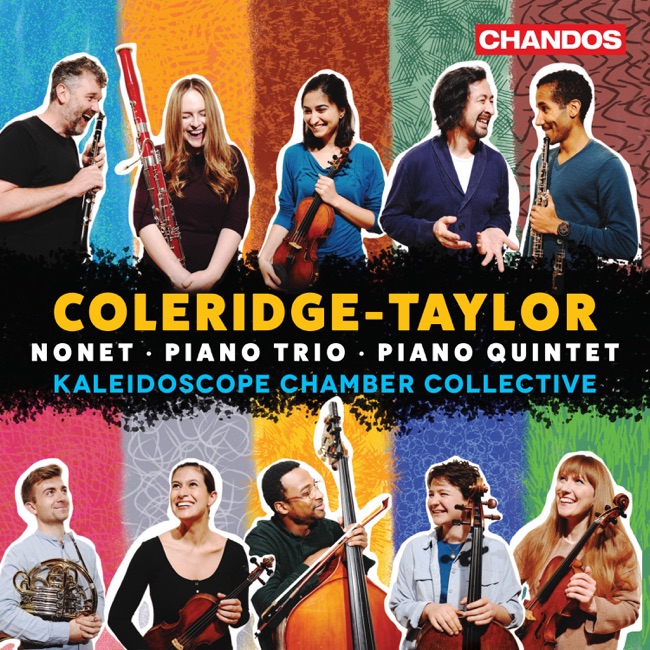 June 17, 2022
 -
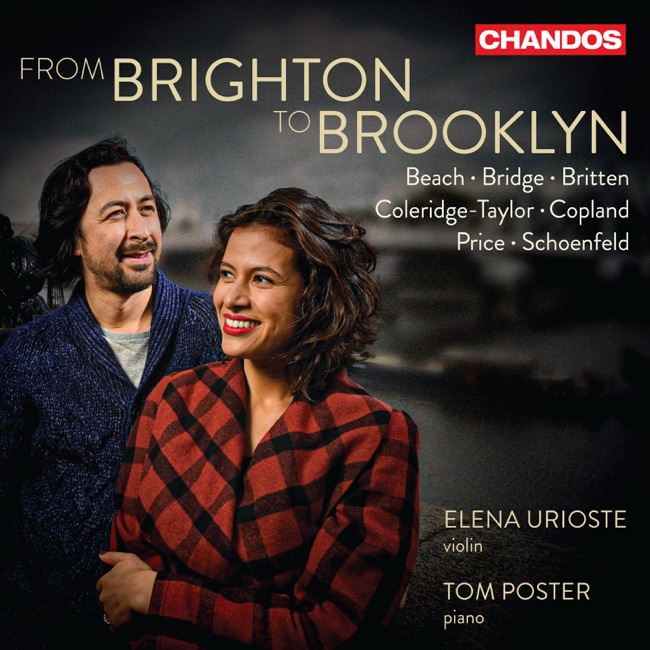 January 7, 2022
 -
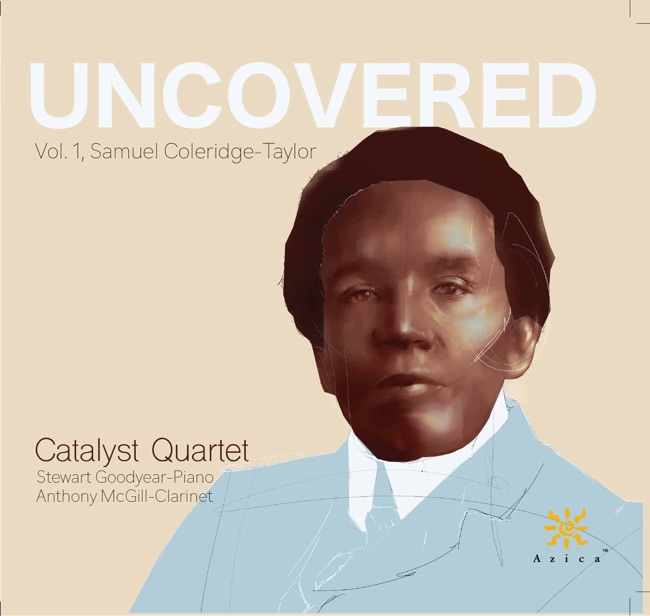 February 5, 2021
 -
 July 7, 2017
Miscellaneous
-
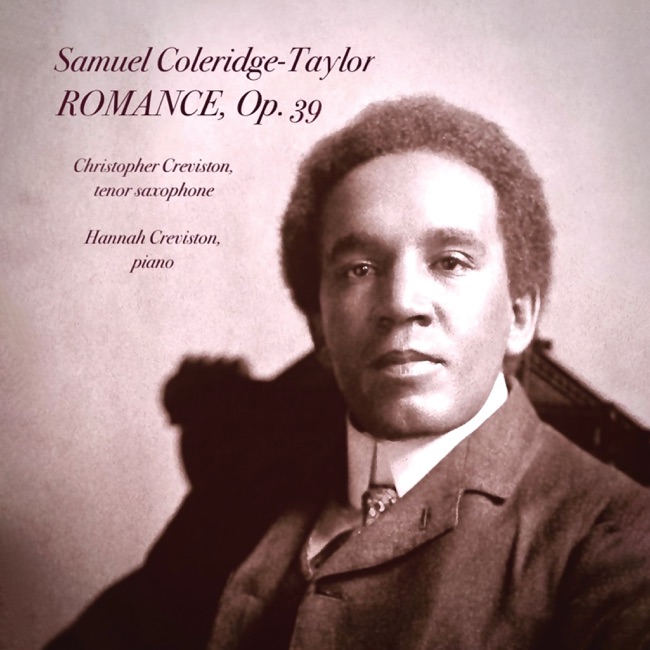
-
 November 17, 2023
 -
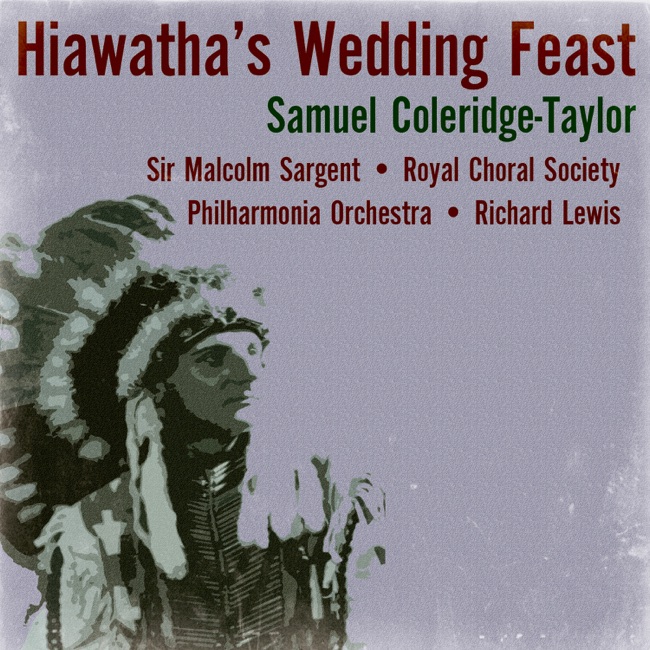 August 28, 2014
 -
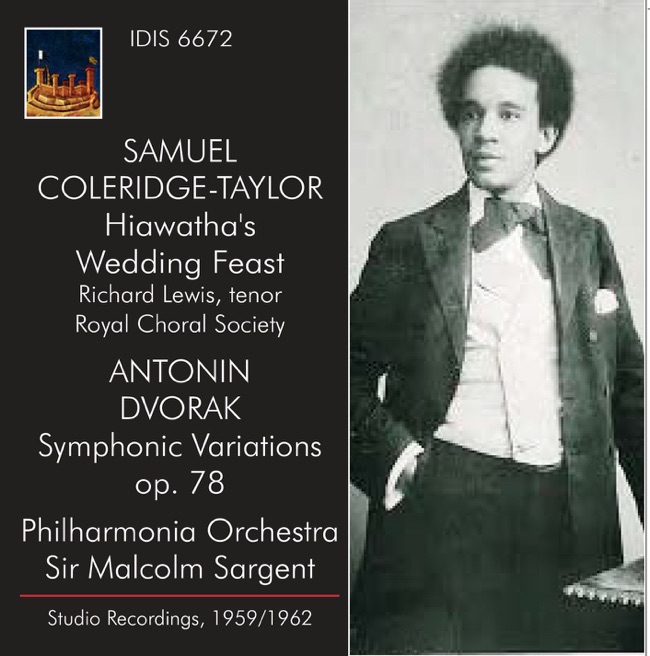 November 19, 2013
 -
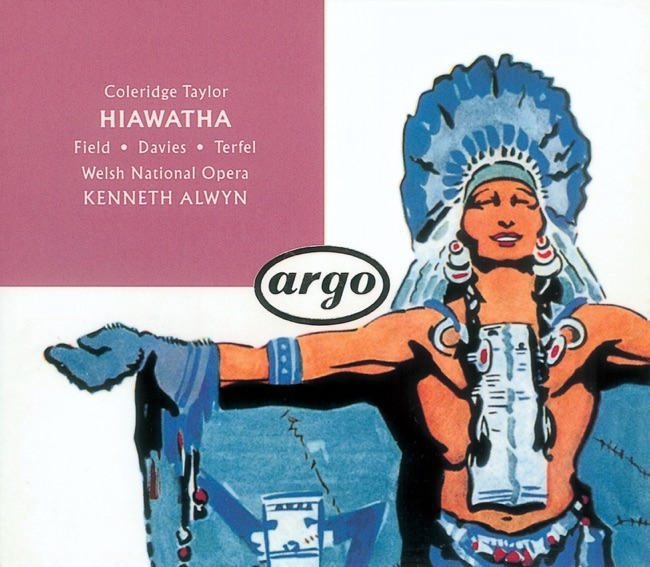 November 20, 2007
Artist Info
Role:ComposerCountry: United KingdomBirth:August 15, 1875 in Holborn, EnglandDeath:September 1, 1912 in Croydon, London, EnglandPeriod:RomanticContemporaryGenre:ChamberChoralKeyboardOrchestralSamuel Coleridge-Taylor was a British composer and conductor who lived from 1875 to 1912. He was born in Holborn, London, to a Sierra Leonean father and an English mother. His father, Dr. Daniel Peter Hughes Taylor, was a physician who had come to England to study medicine, and his mother, Alice Hare Martin, was a governess. Samuel was the couple's only child. Samuel's parents separated when he was young, and he was raised by his mother. She encouraged his interest in music, and he began studying the violin at the age of five. He later took up the piano and the organ, and by the age of 15, he was playing in local orchestras and conducting choirs. In 1890, Samuel won a scholarship to the Royal College of Music in London, where he studied composition with Charles Villiers Stanford. He was a talented student, and his compositions quickly gained attention. In 1893, he wrote his most famous work, the cantata "Hiawatha's Wedding Feast," which was based on the poem by Henry Wadsworth Longfellow. The piece was an immediate success, and it was performed all over England and the United States. Over the next few years, Samuel continued to compose and conduct, and he became a well-known figure in the British music scene. He wrote a number of other choral works, including "The Death of Minnehaha" and "The Atonement," as well as instrumental pieces such as the "African Suite" and the "Ballade in A minor" for violin and orchestra. In addition to his composing and conducting, Samuel was also a teacher. He taught at the Crystal Palace School of Music and the Guildhall School of Music, and he was a professor of composition at the Trinity College of Music. He was a popular and respected teacher, and many of his students went on to have successful careers in music. Despite his success, Samuel faced discrimination because of his race. He was often referred to as the "African Mahler," a reference to the Austrian composer Gustav Mahler, but he was not given the same opportunities as his white counterparts. He was not allowed to conduct the Proms, the famous summer concerts in London, and he was not invited to join the Royal Academy of Music. Samuel died in 1912 at the age of 37 from pneumonia. His death was a great loss to the music world, and he was mourned by many. His music, however, has lived on, and he is now recognized as one of the most important British composers of the early 20th century. Some of Samuel's most famous works include: - "Hiawatha's Wedding Feast" (1893): This cantata is based on the poem by Henry Wadsworth Longfellow and tells the story of the wedding of Hiawatha and Minnehaha. It is a choral work with soloists and orchestra, and it features a number of memorable melodies and rhythms. The piece was an immediate success and remains one of Samuel's most popular works. - "The Death of Minnehaha" (1895): This choral work is a sequel to "Hiawatha's Wedding Feast" and tells the story of the death of Hiawatha's wife, Minnehaha. It is a more somber piece than its predecessor, but it still features Samuel's characteristic use of melody and rhythm. - "The Atonement" (1901): This choral work is based on the biblical story of the crucifixion of Jesus Christ. It is a powerful and emotional piece, with a dramatic opening chorus and a haunting solo for the soprano. - "African Suite" (1899): This instrumental work is a tribute to Samuel's African heritage.More....
Recent Artist Music
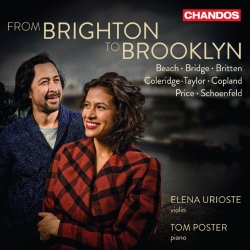
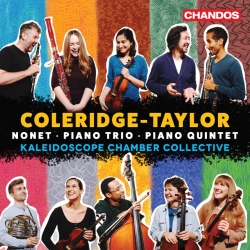
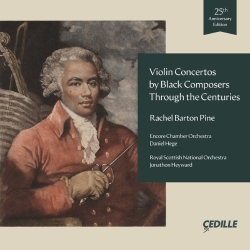
7
11:9
12

11:24
Recommend Playlist













Copyright Ⓒ 2013 Davinci Finger. All rights reseved
Service Terms & Policy