


Nicolaus A. Huber
Released Album
Chamber
-
 November 6, 2020
 -
 January 25, 2019
 -
-
 October 30, 2015
 -
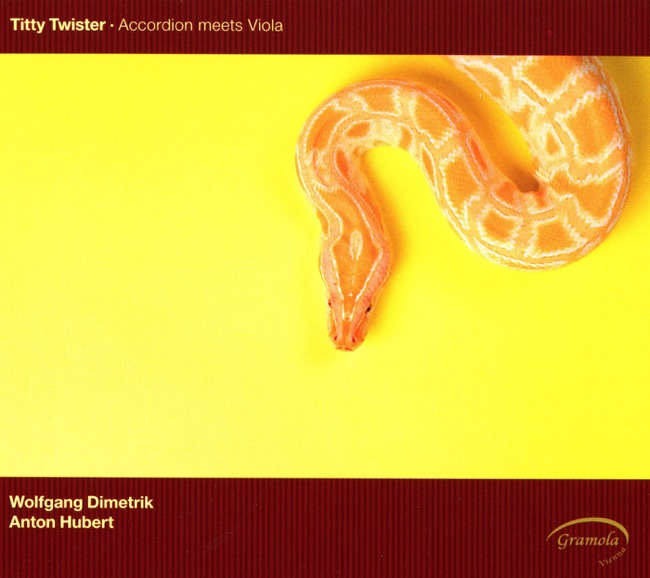 May 15, 2011
 -
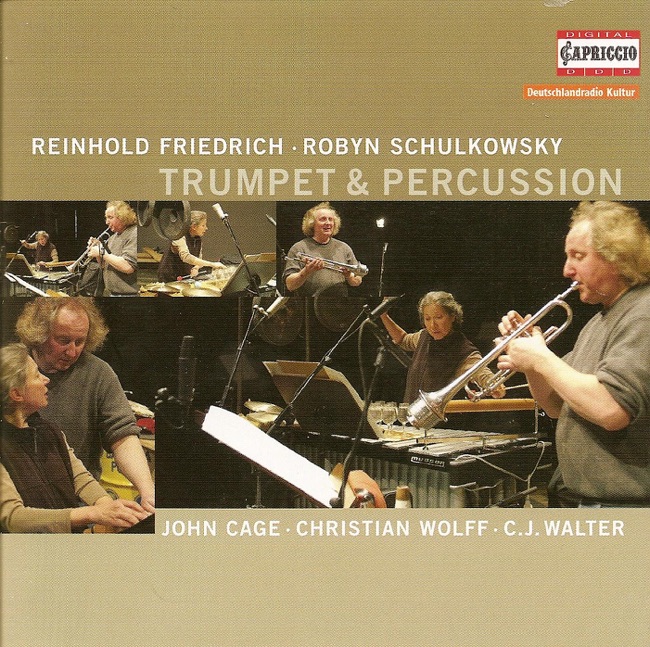 August 15, 2006
Vocal
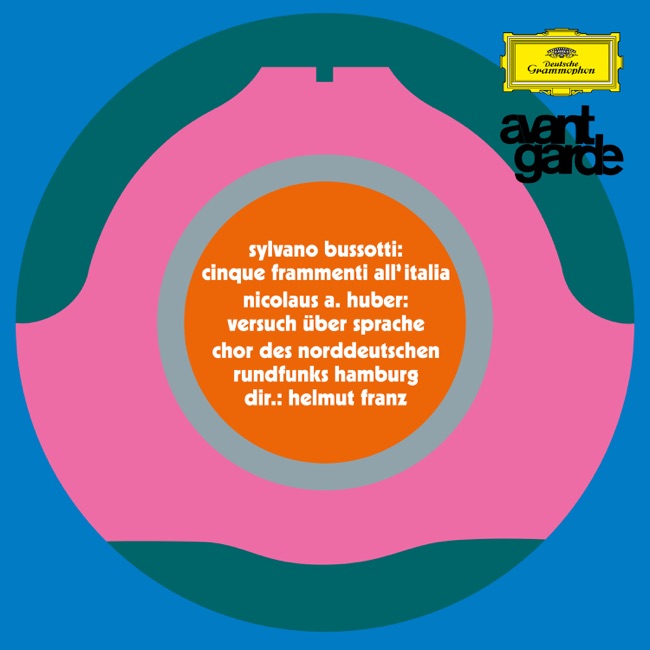
Miscellaneous
-
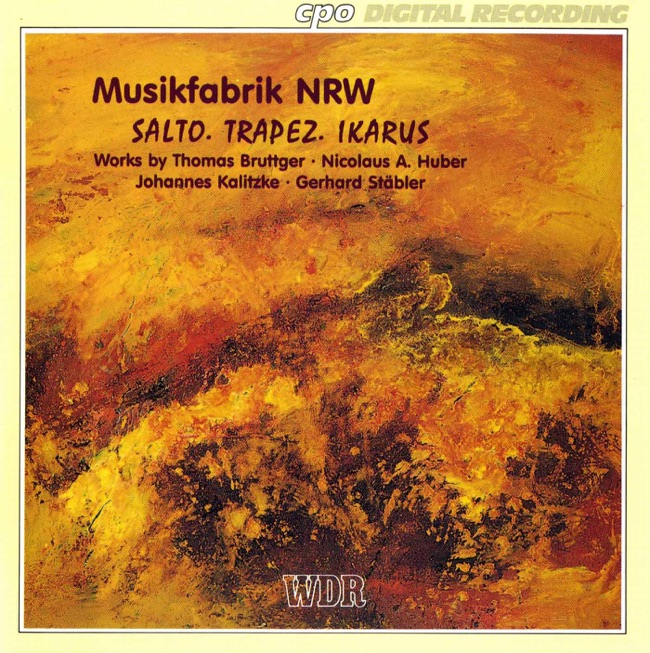 June 27, 2004
Artist Info
Role:ComposerBirth:December 15, 1939Genre:Avant-GardeChamberOrchestralNicolaus A. Huber was a German composer and music educator who was born on February 28, 1939, in Passau, Germany. He was the son of a music teacher and grew up in a musical family. His father, Anton Huber, was a composer and conductor, and his mother, Maria Huber, was a pianist. Nicolaus A. Huber showed an early interest in music and began playing the piano at the age of six. Huber studied music at the Hochschule für Musik und Theater München from 1958 to 1963, where he was a student of Karl Amadeus Hartmann and Hermann Zilcher. He also studied composition with Luigi Nono in Venice and with Pierre Boulez in Basel. Huber's early works were influenced by the avant-garde music of the 1950s and 1960s, and he was associated with the Darmstadt School of composers. Huber's music is characterized by its complexity and experimentation with sound. He often uses unconventional techniques and instruments in his compositions, such as prepared piano, extended vocal techniques, and electronic sounds. Huber's music is also known for its political and social commentary, and he has written works that address issues such as war, oppression, and environmentalism. One of Huber's early works, "Klangzeichen" (Sound Signs), was written in 1963 and is considered a landmark in the development of graphic notation. The piece consists of a series of abstract symbols that represent different sounds and gestures, and the performers are free to interpret the symbols in their own way. Huber's use of graphic notation was a departure from traditional music notation and allowed for greater flexibility and creativity in performance. In the 1970s, Huber began to incorporate political and social themes into his music. One of his most famous works from this period is "Subskription" (Subscription), which was written in 1971 and is a commentary on the Vietnam War. The piece consists of a series of short musical fragments that are interrupted by spoken texts and sound effects, creating a chaotic and unsettling atmosphere. Huber's interest in environmentalism is reflected in his 1980 work "Ein Hauch von Unzeit" (A Breath of Timelessness), which is a meditation on the destruction of the rainforest. The piece features a solo cello accompanied by electronic sounds and recordings of rainforest sounds. The cello represents the voice of nature, while the electronic sounds and recordings represent the destructive forces of human civilization. Huber was also a prolific composer of chamber music, and his works for small ensembles are known for their intricate textures and complex rhythms. One of his most famous chamber works is "Nachklang" (Echo), which was written in 1983 and is a tribute to the composer Luigi Nono. The piece features a quartet of instruments (violin, viola, cello, and piano) and is characterized by its use of extended techniques and unconventional sounds. In addition to his work as a composer, Huber was also a respected music educator. He taught composition at the Hochschule für Musik Freiburg from 1978 to 2004 and was a mentor to many young composers. Huber's teaching style emphasized experimentation and individuality, and he encouraged his students to explore new sounds and techniques in their compositions. Huber received numerous awards and honors throughout his career, including the Ernst von Siemens Music Prize in 1991 and the Berlin Art Prize in 2000. He was also a member of the Bavarian Academy of Fine Arts and the Academy of Arts, Berlin. Nicolaus A.More....
Recent Artist Music



13
10:22
14
6:7
15
15:16
Copyright Ⓒ 2013 Davinci Finger. All rights reseved
Service Terms & Policy