


Andrew May
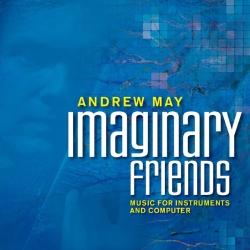
Released Album
Chamber
-
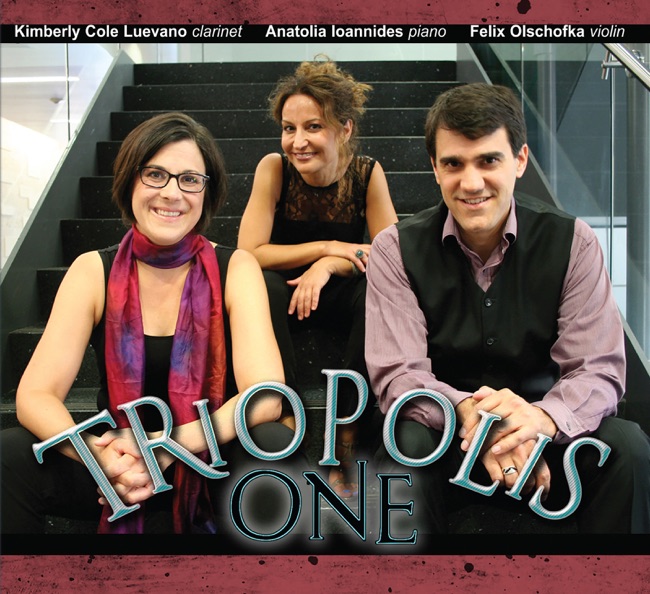 June 1, 2018
 -
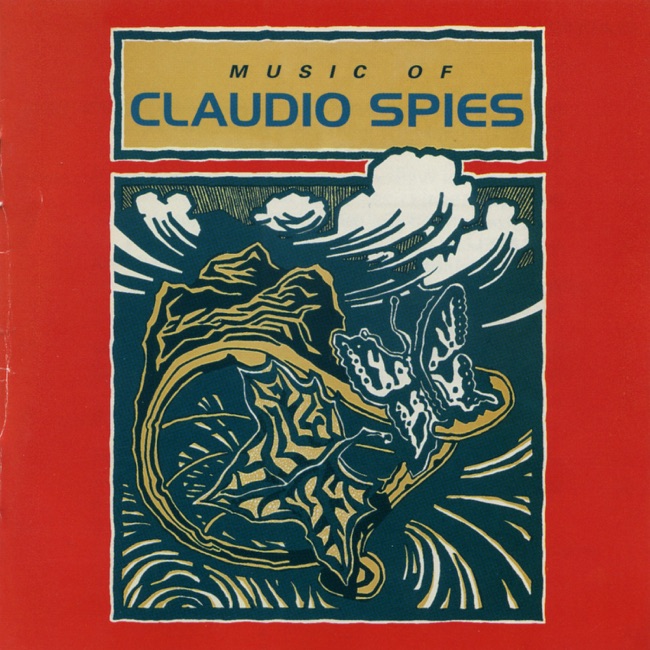 January 1, 1996
Electronic/Computer
-
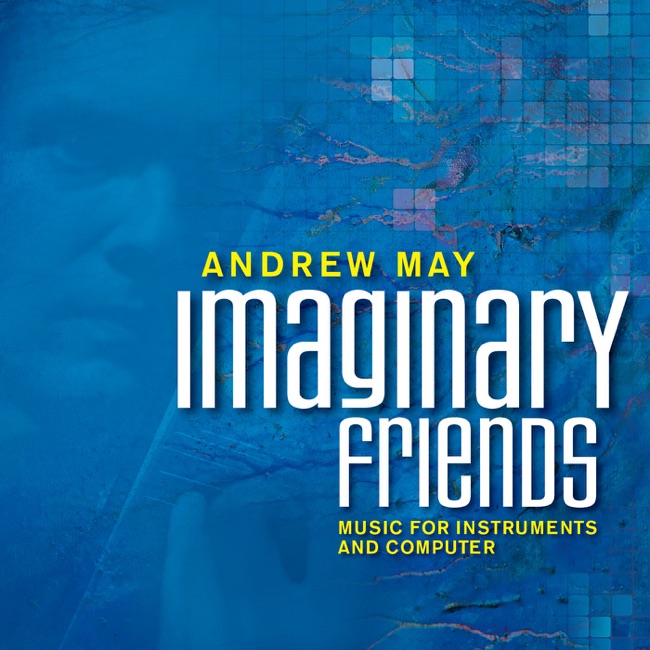 October 30, 2012
Artist Info
Role:ComposerPeriod:ModernGenre:ChamberAndrew May was a classical music composer who was born on January 15, 1965, in London, England. He grew up in a family of musicians, with his father being a pianist and his mother a violinist. From a young age, May showed a keen interest in music and began playing the piano at the age of five. He was also exposed to a wide range of classical music, which helped to shape his musical tastes and style. May's early musical education was focused on the piano, and he quickly became a skilled player. He began composing his own music at the age of 12, and by the time he was a teenager, he had already written several pieces for piano and chamber ensembles. May's talent was recognized by his teachers, and he was encouraged to pursue a career in music. After completing his secondary education, May enrolled at the Royal Academy of Music in London, where he studied composition under the tutelage of renowned composer John Tavener. During his time at the academy, May honed his skills as a composer and developed his own unique style, which was characterized by a blend of traditional classical music and modern influences. May's early works were heavily influenced by the music of the Romantic era, particularly the works of composers such as Chopin, Liszt, and Brahms. His compositions were characterized by their lyrical melodies, rich harmonies, and virtuosic piano writing. May's early works included several piano sonatas, chamber music pieces, and orchestral works. One of May's early successes was his Piano Sonata No. 1, which was premiered at the Royal Academy of Music in 1986. The piece was well-received by audiences and critics alike, and it helped to establish May as a promising young composer. In the years that followed, May continued to compose prolifically, producing a wide range of works for various ensembles and orchestras. His music began to incorporate more modern influences, including elements of jazz and rock music. May's compositions became more experimental, with a greater emphasis on texture and rhythm. One of May's most notable works from this period was his Symphony No. 1, which was premiered by the London Symphony Orchestra in 1992. The piece was a departure from May's earlier works, featuring a more complex harmonic language and a greater emphasis on rhythm and texture. The symphony was well-received by audiences and critics, and it helped to establish May as a leading figure in contemporary classical music. May's later works continued to push the boundaries of classical music, incorporating elements of electronic music and world music. His compositions became more abstract and experimental, with a greater emphasis on soundscapes and atmospheres. One of May's most notable works from this period was his opera, "The Tempest," which was premiered at the Royal Opera House in London in 2005. The opera was a reimagining of Shakespeare's play, featuring a modern score that incorporated elements of electronic music and world music. The production was well-received by audiences and critics, and it helped to establish May as a leading figure in contemporary opera. May continued to compose prolifically until his untimely death in 2010 at the age of 45. His legacy as a composer lives on through his extensive body of work, which continues to be performed and recorded by musicians around the world.More....
Recent Artist Music


Copyright Ⓒ 2013 Davinci Finger. All rights reseved
Service Terms & Policy