


Hans Pischner
Released Album
Chamber
-
 June 3, 2022
 -
 July 1, 2021
 -
 December 2, 2016
Keyboard
-
-
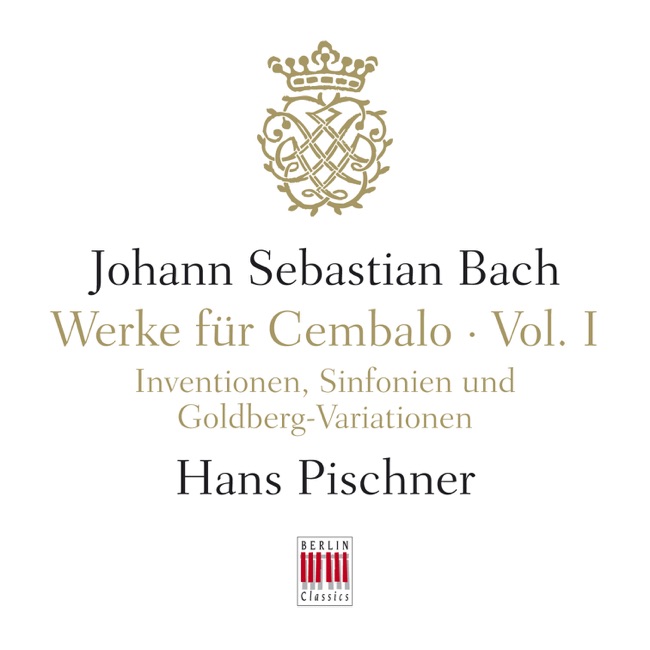
-
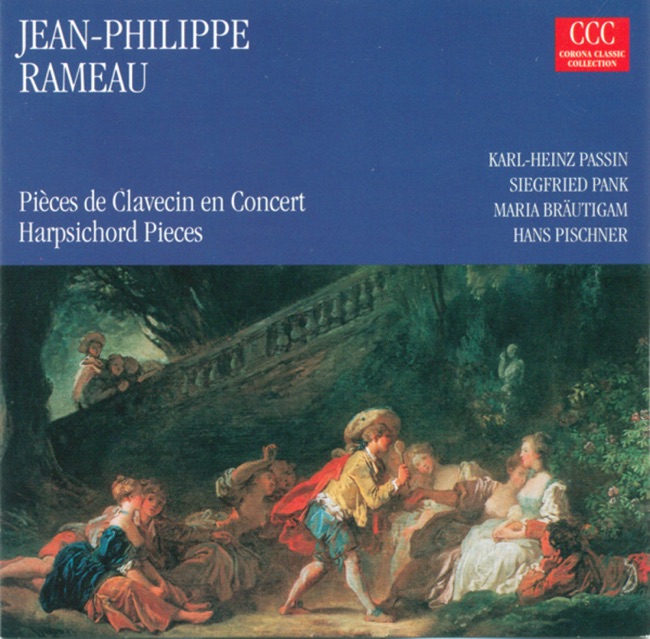
-
 January 1, 1970
 -
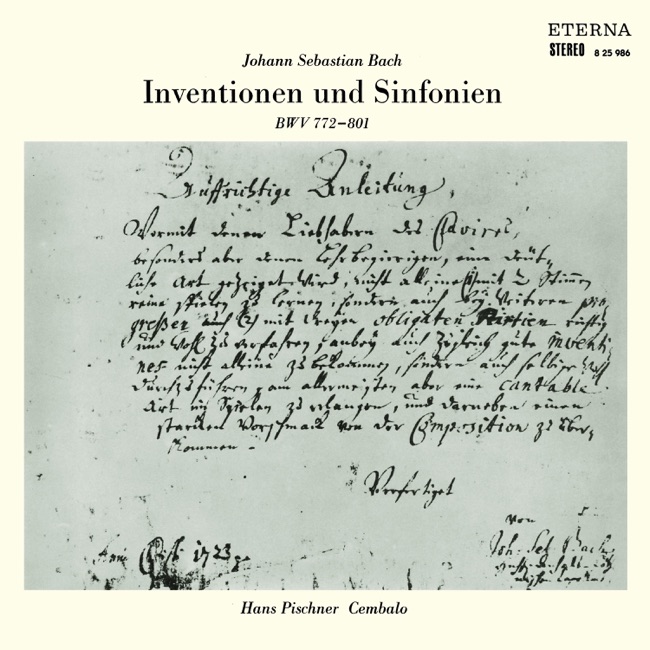 January 1, 1969
 -
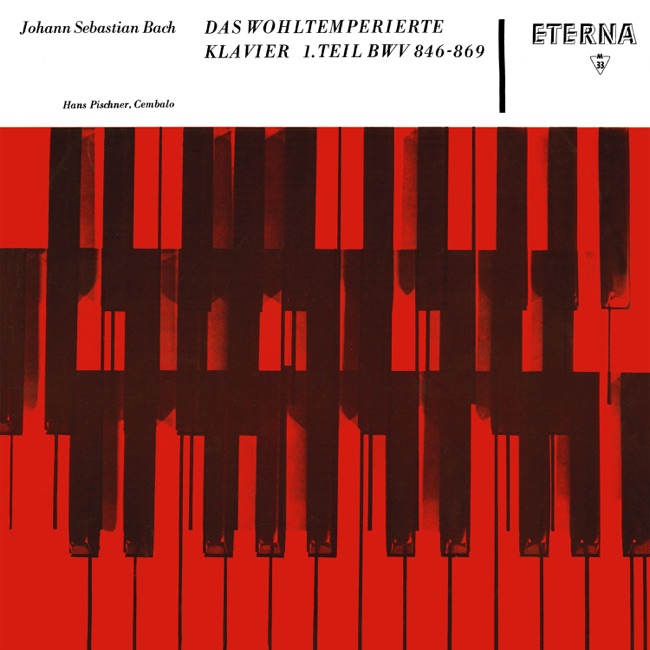 January 1, 1963
Concerto
-
 February 21, 2014
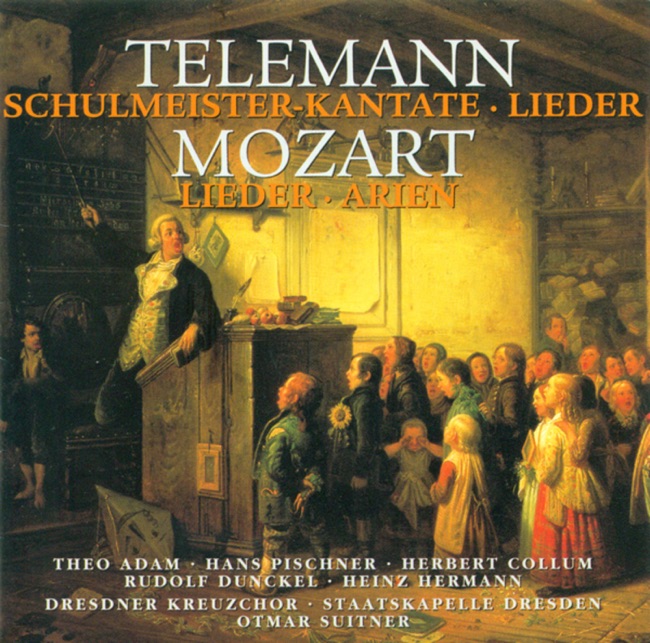
Vocal
Artist Info
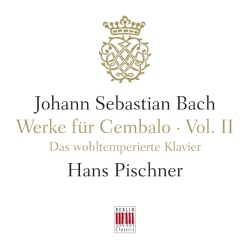
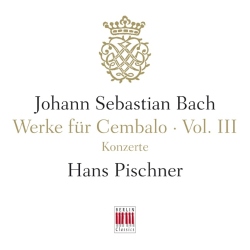
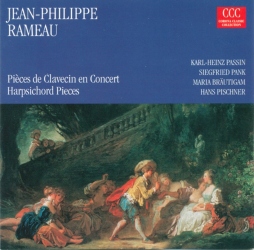
Period:BaroqueGenre:ChamberConcertoKeyboardHans Pischner was a renowned German harpsichordist, musicologist, and conductor who made significant contributions to the world of classical music. He was born on August 14, 1906, in Leipzig, Germany, and grew up in a family of musicians. His father, Walter Pischner, was a well-known musicologist, and his mother, Gertrud Pischner, was a pianist. Pischner showed an early interest in music and began playing the piano at the age of six. He later switched to the harpsichord and studied under the guidance of his mother. He also received training in music theory and composition from his father. Pischner's talent and dedication to music were evident from a young age, and he quickly established himself as a promising young musician. In 1924, Pischner enrolled at the Leipzig Conservatory, where he studied under the renowned harpsichordist and musicologist Arnold Schering. He also received instruction from other notable musicians, including the composer Max Reger and the pianist and conductor Wilhelm Furtwängler. Pischner's studies at the conservatory were interrupted by World War II, during which he served in the German army. After the war, Pischner resumed his studies and completed his degree at the Leipzig Conservatory in 1948. He then began his career as a harpsichordist, performing extensively throughout Europe and the United States. He quickly gained a reputation as one of the leading harpsichordists of his time, known for his virtuosic playing and deep understanding of Baroque music. Pischner's performances were marked by his meticulous attention to detail and his commitment to historical accuracy. He was a pioneer in the field of historically informed performance, which seeks to recreate the sound and style of music from earlier periods. Pischner's approach to performance was based on extensive research into the historical context of the music he played, including the instruments, performance practices, and social and cultural factors that influenced the music. Pischner's career as a performer was accompanied by his work as a musicologist and conductor. He was a prolific writer and scholar, publishing numerous articles and books on Baroque music and performance practice. He also served as the director of the Leipzig Bach Festival from 1950 to 1960, where he conducted performances of Bach's music and other Baroque works. One of the highlights of Pischner's career was his performance of Bach's Goldberg Variations in 1955. This performance, which was recorded and released on LP, is considered one of the definitive recordings of the work. Pischner's interpretation of the Goldberg Variations was praised for its clarity, precision, and emotional depth. Pischner's contributions to the world of classical music were recognized with numerous awards and honors. In 1966, he was awarded the National Prize of East Germany for his contributions to music and culture. He was also awarded the Order of Merit of the German Democratic Republic in 1976. Despite his success and acclaim, Pischner remained committed to his work as a performer, scholar, and conductor throughout his life. He continued to perform and record music until his death on December 22, 1976, in Leipzig, Germany. His legacy as a musician and scholar continues to inspire and influence musicians and music lovers around the world.More....
Recent Artist Music
1
4:29
2
3:14
3
3:14
4
5:8

8
8:38
10
3:38
11
4:41
12
1:28
13
2:47
14
2:17
15
5:0
Copyright Ⓒ 2013 Davinci Finger. All rights reseved
Service Terms & Policy