


Jens Laursen Emborg
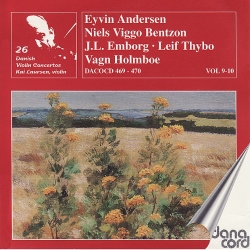
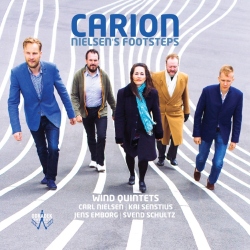
Released Album
Chamber
-
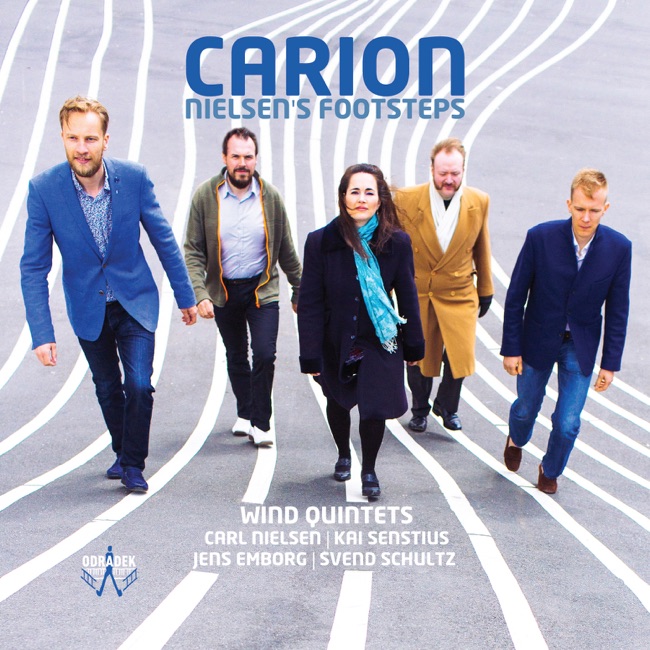 September 4, 2015
 -
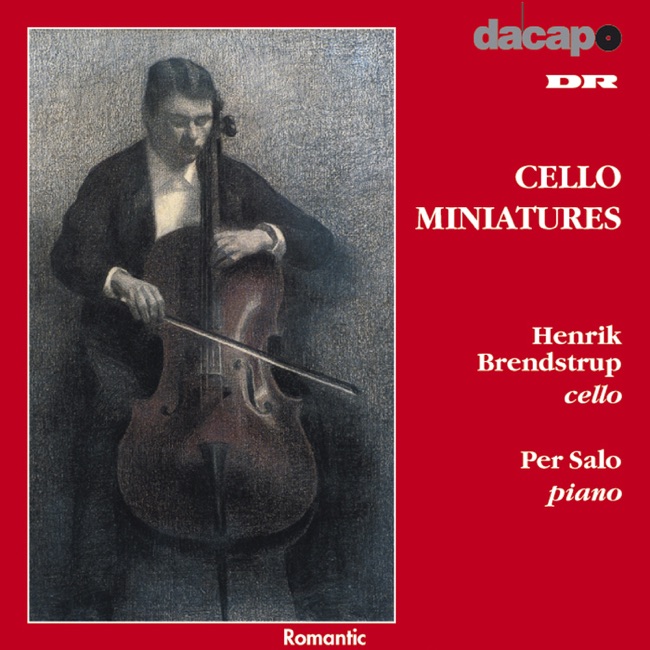 March 9, 1999
Concerto
-
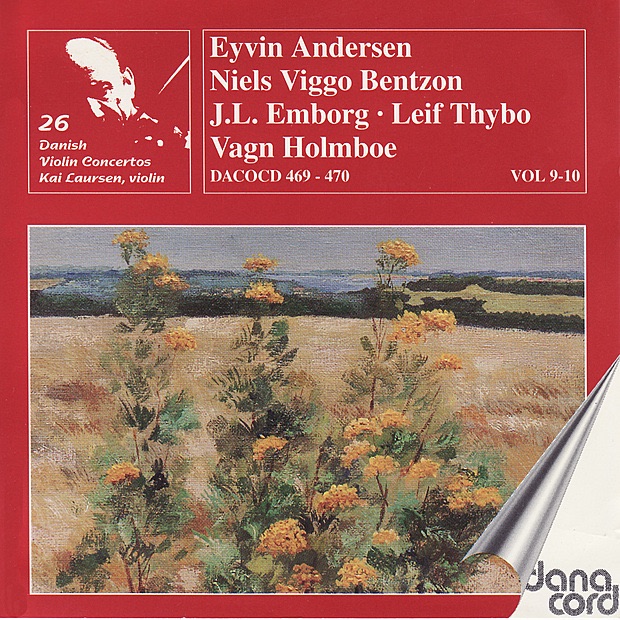 August 11, 2009
Artist Info
Role:ComposerBirth:1876Death:1957Period:ModernGenre:ChamberChoralConcertoJens Laursen Emborg was a Danish composer and pianist, born on August 22, 1934, in the town of Horsens, Denmark. He was the son of a music teacher and grew up in a musical family. His father, Lauritz Emborg, was a well-known composer and conductor in Denmark, and his mother, Ingeborg Emborg, was a pianist and music teacher. Emborg began playing the piano at a young age and showed great talent and passion for music. He studied at the Royal Danish Academy of Music in Copenhagen, where he received his diploma in piano performance in 1957. He continued his studies in composition with the renowned Danish composer Vagn Holmboe. Emborg's early works were influenced by the neoclassical style of composers such as Stravinsky and Hindemith. He also drew inspiration from Danish folk music and the works of his father. His first major composition, the Piano Concerto No. 1, was premiered in 1960 and received critical acclaim. The concerto showcased Emborg's virtuosic piano playing and his ability to blend classical and modern elements in his compositions. Throughout the 1960s and 1970s, Emborg continued to compose works for piano, chamber ensembles, and orchestra. His music was characterized by its lyrical melodies, intricate harmonies, and rhythmic complexity. He was also known for his use of unconventional instruments, such as the electric guitar and synthesizer, in his compositions. One of Emborg's most significant works is the Symphony No. 1, which was premiered in 1972 by the Danish National Symphony Orchestra. The symphony is a large-scale work that showcases Emborg's mastery of orchestration and his ability to create powerful and emotional musical landscapes. The work is divided into four movements, each with its own distinct character and mood. In addition to his work as a composer, Emborg was also a respected pianist and performed extensively throughout Europe and the United States. He was known for his interpretations of the works of Beethoven, Chopin, and Debussy, as well as his own compositions. Emborg's later works were influenced by the minimalist and postmodernist movements in music. He began to experiment with new forms and techniques, such as aleatoric music and chance operations. His compositions became more abstract and less tonal, reflecting the changing musical landscape of the late 20th century. Emborg continued to compose and perform until his death on December 22, 1997, in Copenhagen, Denmark. He left behind a legacy of innovative and expressive music that continues to inspire and influence composers and musicians today.More....
Recent Artist Music
Copyright Ⓒ 2013 Davinci Finger. All rights reseved
Service Terms & Policy