


Jose Antonio de San Sebastian (aka Donostia)
Released Album
Chamber
-
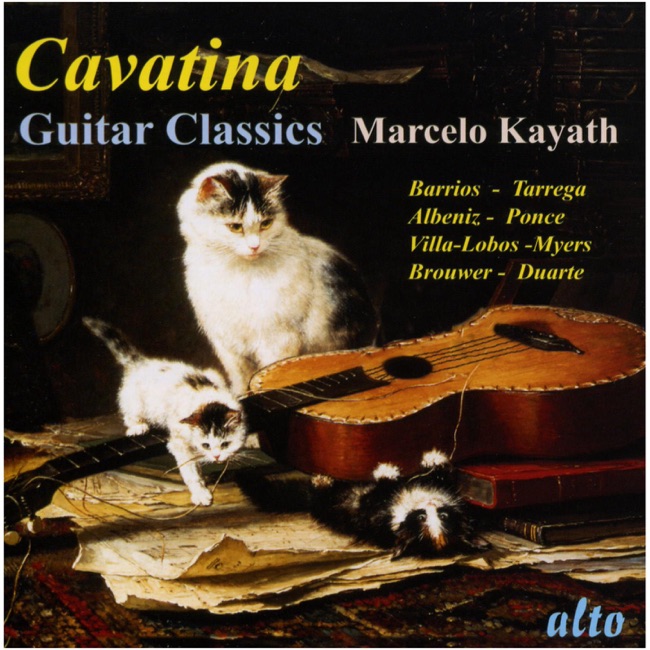 February 24, 2009
 -
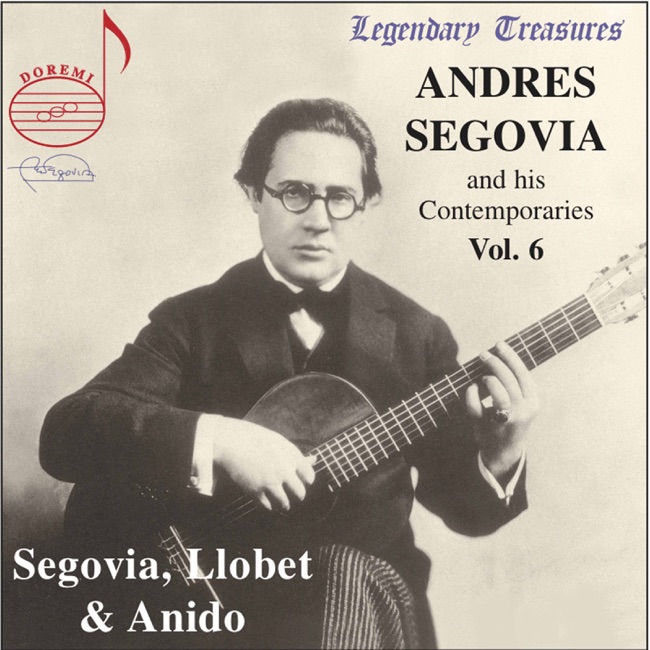 November 16, 1999
 -
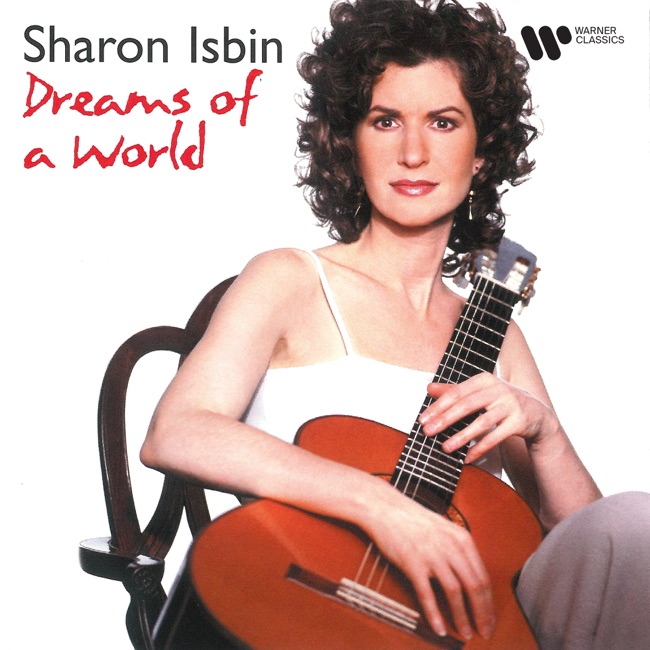 August 27, 1999
Artist Info
Role:ComposerBirth:1886Death:1956Genre:ChamberJose Antonio de San Sebastian, also known as Donostia, was a renowned composer and musicologist from the Basque region of Spain. He was born on October 17, 1886, in the town of Pasajes, located in the province of Gipuzkoa. Donostia was the son of a sailor and grew up in a family that was deeply involved in music. His father played the accordion, and his mother was a singer, which helped to foster his love for music from an early age. Donostia began his musical studies at the age of 12, when he entered the San Sebastian Conservatory. He studied piano, harmony, and composition, and quickly showed a talent for music. In 1904, he moved to Madrid to continue his studies at the Royal Conservatory of Music, where he studied with the renowned composer and conductor Felipe Pedrell. Pedrell was a pioneer in the study of Spanish folk music, and his influence on Donostia's music was profound. After completing his studies in Madrid, Donostia returned to the Basque Country, where he began to collect and transcribe traditional Basque music. He traveled throughout the region, recording songs and melodies that had been passed down through generations. His work as a musicologist was groundbreaking, as he was one of the first to document and study the music of the Basque people. Donostia's compositions were heavily influenced by the traditional music of the Basque Country. He incorporated elements of Basque folk music into his works, creating a unique and distinctive style. His music was characterized by its simplicity and clarity, with a focus on melody and harmony. One of Donostia's most famous works is his Basque Songbook, a collection of 105 traditional Basque songs arranged for piano. The Basque Songbook was published in 1918 and quickly became a classic of Basque music. The collection includes songs from all over the Basque Country, from the coastal towns of Gipuzkoa to the mountainous regions of Navarra and the Basque Country in France. Donostia's other works include numerous choral pieces, piano works, and chamber music. His choral works are particularly notable, as they often incorporate traditional Basque instruments such as the txistu (a type of flute) and the alboka (a type of horn). His choral works include the Basque Mass, which was first performed in 1922 and has since become a staple of Basque choral music. In addition to his work as a composer and musicologist, Donostia was also a teacher. He taught at the San Sebastian Conservatory and the University of Salamanca, where he was a professor of musicology. He was a respected and influential teacher, and many of his students went on to become prominent musicians and musicologists in their own right. Donostia's music and his work as a musicologist had a profound impact on the Basque cultural identity. His efforts to document and preserve traditional Basque music helped to ensure that it would not be lost to history. His compositions, which incorporated elements of Basque folk music, helped to create a distinct Basque musical style that is still celebrated today. Donostia died on December 13, 1956, in San Sebastian, the city that had been his home for much of his life. His legacy as a composer and musicologist lives on, and his music continues to be performed and celebrated in the Basque Country and beyond.More....
Copyright Ⓒ 2013 Davinci Finger. All rights reseved
Service Terms & Policy