


Johann Gänsbacher
Released Album
Keyboard
-
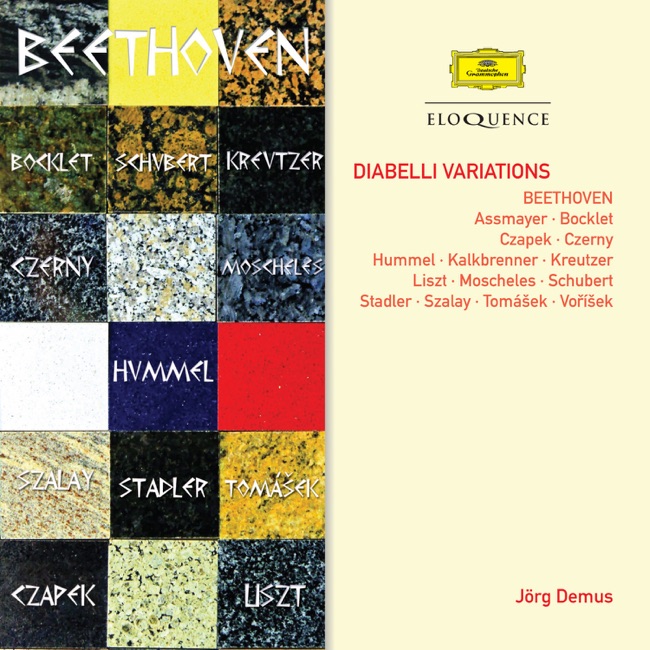 January 1, 1973
Choral
-
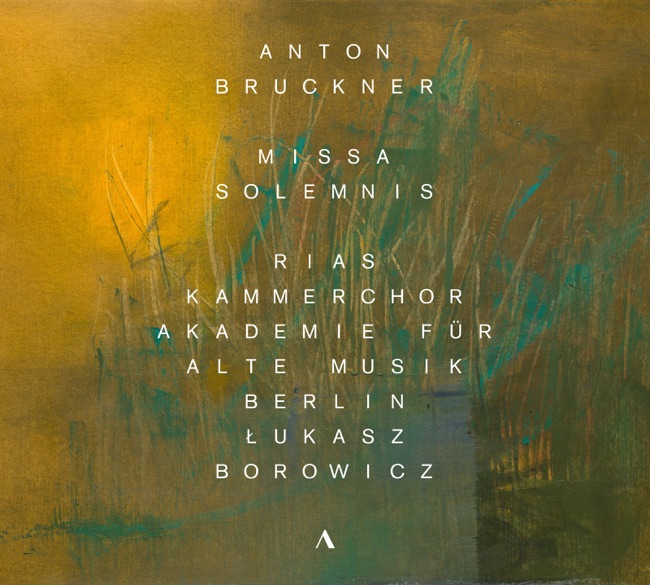 March 2, 2018
Artist Info
Role:ComposerCountry: AustriaBirth:May 8, 1778Death:July 13, 1844Period:RomanticJohann Gänsbacher was a prominent Austrian composer of the Classical era. He was born on November 12, 1778, in the town of Hall in Tirol, Austria. Gänsbacher was the son of a musician, and he began his musical education at a young age. He received his first music lessons from his father, who was a choir director and organist. Gänsbacher showed great talent and passion for music, and his father recognized his potential. He encouraged his son to pursue a career in music and provided him with the necessary training. Gänsbacher's musical education continued at the Benedictine monastery of St. Georgenberg, where he studied under the guidance of the renowned composer and music theorist, Johann Nepomuk Kalcher. Gänsbacher's studies at the monastery were rigorous, and he received a thorough education in music theory, composition, and performance. He also had the opportunity to study the works of the great composers of the time, including Haydn, Mozart, and Beethoven. After completing his studies at the monastery, Gänsbacher moved to Vienna, where he continued his musical education under the tutelage of the famous composer, Antonio Salieri. Salieri was impressed by Gänsbacher's talent and took him under his wing. Gänsbacher studied with Salieri for several years, and during this time, he honed his skills as a composer and performer. Gänsbacher's career as a composer began in earnest in the early 1800s. He composed a number of works for the stage, including operas, ballets, and incidental music for plays. His first opera, "Die Braut von Messina," was premiered in 1804 and was well-received by audiences and critics alike. Gänsbacher's music was characterized by its elegance, lyricism, and clarity of form. He was a master of melody and harmony, and his works were noted for their beauty and emotional depth. In addition to his work for the stage, Gänsbacher also composed a number of instrumental works, including symphonies, chamber music, and piano pieces. His instrumental music was highly regarded by his contemporaries, and he was considered one of the leading composers of his time. Gänsbacher's music was performed throughout Europe, and he was widely recognized as a major figure in the world of classical music. One of Gänsbacher's most famous works is his Symphony No. 1 in C major. The symphony was composed in 1811 and was premiered in Vienna the following year. The work is characterized by its bright, cheerful melodies and its lively rhythms. The symphony is in four movements, and each movement is marked by Gänsbacher's signature elegance and clarity of form. Another notable work by Gänsbacher is his ballet, "Die Schöne von Montalban." The ballet was composed in 1813 and was premiered in Vienna the following year. The work is based on a medieval legend and tells the story of a beautiful princess who is held captive by a wicked sorcerer. The ballet is notable for its lush, romantic score and its intricate choreography. Gänsbacher's career as a composer continued to flourish throughout the 1820s and 1830s. He composed a number of works for the stage, including operas, ballets, and incidental music for plays. He also continued to compose instrumental music, including symphonies, chamber music, and piano pieces. Gänsbacher's music remained popular throughout Europe, and he was widely regarded as one of the leading composers of his time. Gänsbacher died on December 13, 1844, in Vienna, Austria. He was 66 years old.More....
Recent Artist Music
1
1:3
Copyright Ⓒ 2013 Davinci Finger. All rights reseved
Service Terms & Policy