


Sandor Harmati
Released Album
Vocal
-
 January 4, 2019
 -
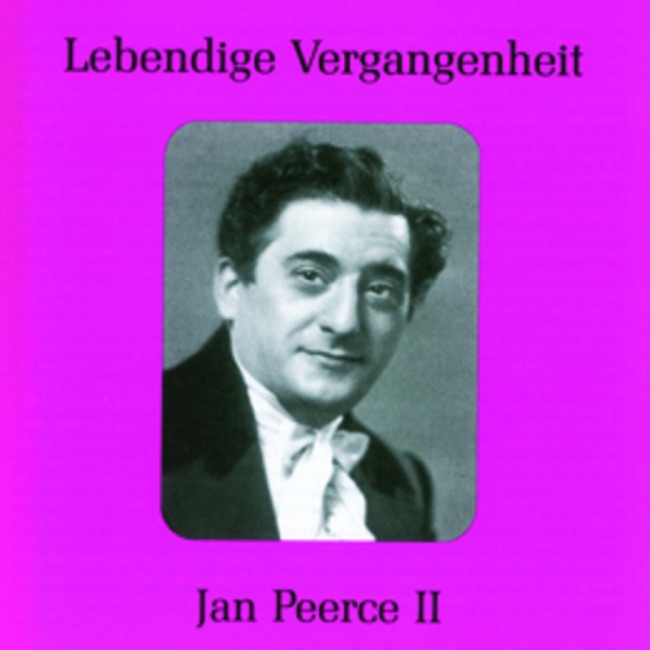 August 26, 2003
Artist Info
Role:ComposerPeriod:ModernGenre:VocalSandor Harmati was a Hungarian composer and pianist who was born on January 1, 1900, in Budapest, Hungary. He was the son of a prominent Hungarian lawyer and was raised in a family that valued education and the arts. From a young age, Harmati showed a natural talent for music and began studying piano and composition at the Franz Liszt Academy of Music in Budapest. Harmati's early compositions were heavily influenced by the Romantic era, particularly the works of Franz Liszt and Richard Wagner. He also drew inspiration from Hungarian folk music, which he incorporated into his compositions. In 1922, Harmati graduated from the Franz Liszt Academy of Music with a degree in composition and began his career as a composer and pianist. Throughout the 1920s and 1930s, Harmati established himself as one of Hungary's leading composers. He composed a wide range of works, including symphonies, concertos, chamber music, and operas. His music was characterized by its lush harmonies, sweeping melodies, and virtuosic piano writing. One of Harmati's most significant works from this period was his Piano Concerto No. 1, which he composed in 1926. The concerto was premiered by the Hungarian National Philharmonic Orchestra, with Harmati himself as the soloist. The work was well-received by audiences and critics alike and established Harmati as a major talent in the Hungarian music scene. In the 1930s, Harmati's music began to reflect the changing political climate in Europe. He became increasingly interested in the music of the Soviet Union and began incorporating elements of Soviet-style composition into his own works. This shift in style can be heard in his Symphony No. 2, which he composed in 1936. The symphony features a more dissonant and angular style than his earlier works and reflects the influence of Soviet composers such as Dmitri Shostakovich. Harmati's career was interrupted by World War II, during which he served in the Hungarian army. After the war, he returned to Hungary and resumed his career as a composer and pianist. However, the political climate in Hungary had changed, and Harmati found himself at odds with the communist government that had come to power. Despite this, Harmati continued to compose and perform throughout the 1950s and 1960s. He composed a number of significant works during this period, including his Symphony No. 3, which he composed in 1952. The symphony is a powerful and emotional work that reflects the turmoil of the post-war period. Harmati's music continued to evolve throughout the 1960s and 1970s. He became increasingly interested in electronic music and began incorporating electronic elements into his compositions. One of his most significant works from this period was his Electronic Symphony, which he composed in 1972. The work features a combination of acoustic and electronic instruments and is a testament to Harmati's willingness to experiment with new sounds and techniques. Harmati continued to compose and perform until his death in 1992. His legacy as a composer and pianist is significant, and his music continues to be performed and recorded today. His works are characterized by their emotional depth, technical virtuosity, and willingness to experiment with new sounds and techniques. Harmati's contributions to the world of classical music are significant, and his music remains an important part of the Hungarian musical tradition.More....
Recent Artist Music

Copyright Ⓒ 2013 Davinci Finger. All rights reseved
Service Terms & Policy