


Guy Morançon
Released Album
Keyboard
-
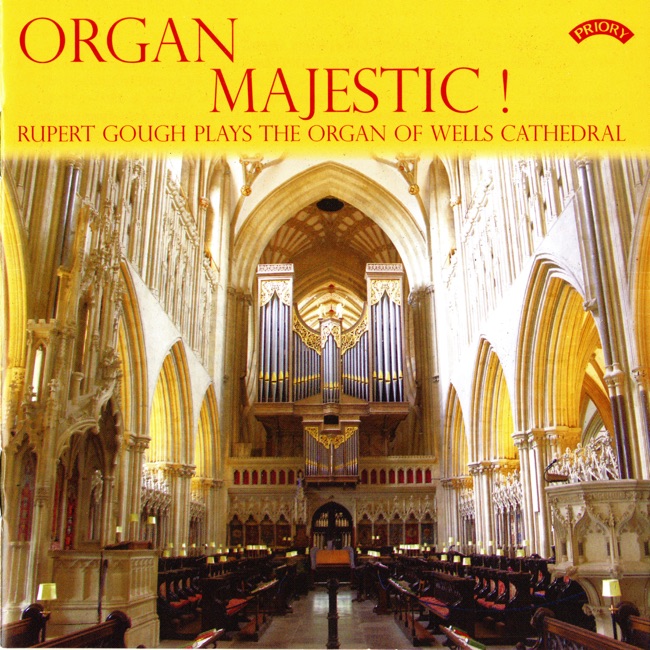 May 11, 2010
Chamber
-
 September 22, 2017
 -
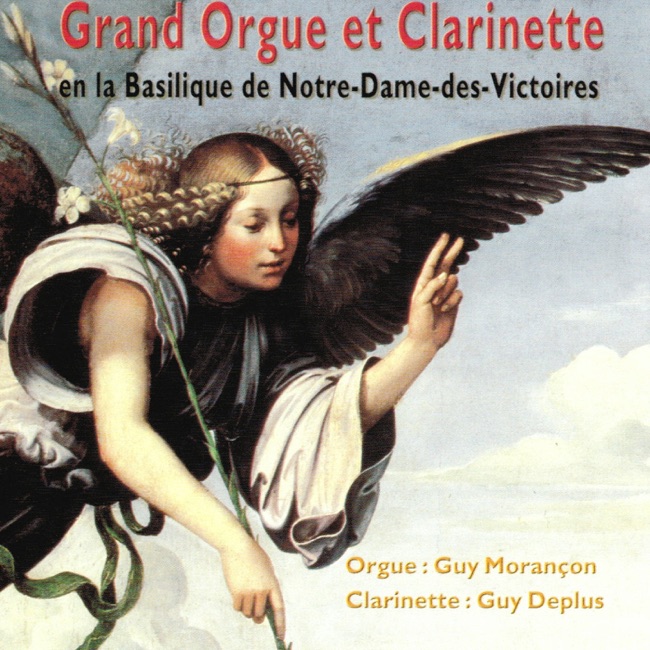 February 24, 2004
Artist Info
Role:ComposerBirth:in Marseille, FranceGuy Morançon was a French composer and pianist who was born on December 22, 1927, in Paris, France. He was the son of a music teacher and grew up in a musical family. Morançon began playing the piano at a young age and showed a natural talent for music. He studied at the Paris Conservatory, where he was a student of Yvonne Lefébure and Lazare Lévy. Morançon's early compositions were influenced by the music of Claude Debussy and Maurice Ravel. He was also inspired by the works of Igor Stravinsky and Arnold Schoenberg. Morançon's music was characterized by its lyricism, harmonic complexity, and rhythmic vitality. He was known for his use of unconventional scales and modes, as well as his incorporation of jazz and popular music elements into his compositions. Morançon's first major work was his Piano Concerto, which he composed in 1952. The concerto was premiered by the Orchestre National de France, with Morançon as the soloist. The work was well-received and established Morançon as a promising young composer. In 1954, Morançon was awarded the Prix de Rome, which allowed him to study in Rome for two years. During his time in Italy, Morançon was exposed to the music of Italian composers such as Luigi Dallapiccola and Luciano Berio. He also became interested in the music of the Renaissance and Baroque periods. Morançon's compositions from this period include his String Quartet No. 1, which was premiered in 1956, and his Sonata for Violin and Piano, which was premiered in 1957. These works demonstrated Morançon's mastery of chamber music and his ability to create intricate and expressive musical textures. In the 1960s, Morançon began to experiment with electronic music. He composed several works for tape, including his Musique pour un film imaginaire (Music for an Imaginary Film) and his Études pour un piano imaginaire (Studies for an Imaginary Piano). These works showcased Morançon's innovative use of electronic sounds and his ability to create complex and dynamic musical structures. Morançon's later works include his Symphony No. 2, which was premiered in 1975, and his Piano Sonata No. 3, which was premiered in 1982. These works continued to showcase Morançon's unique musical voice and his ability to create music that was both intellectually stimulating and emotionally engaging. Throughout his career, Morançon was also an accomplished pianist and performed his own works as well as the works of other composers. He was known for his virtuosic playing and his ability to bring out the emotional depth of the music. Morançon received numerous awards and honors throughout his career, including the Grand Prix National de la Musique in 1985. He was also a member of the Académie des Beaux-Arts and the Académie des Sciences Morales et Politiques. Morançon died on January 28, 1998, in Paris, France. He left behind a legacy of innovative and expressive music that continues to inspire and captivate audiences today.More....
Recent Artist Music

Copyright Ⓒ 2013 Davinci Finger. All rights reseved
Service Terms & Policy