


Gottfried Keller
Released Album
Chamber
-
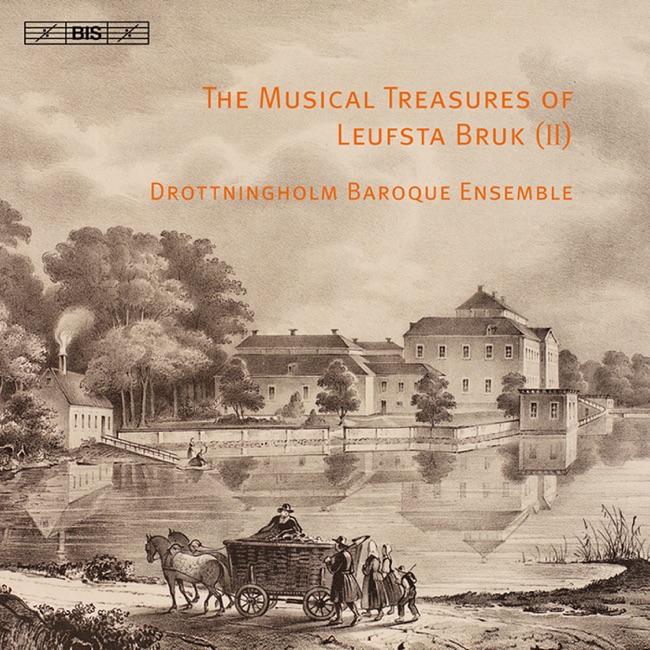 June 28, 2011
 -
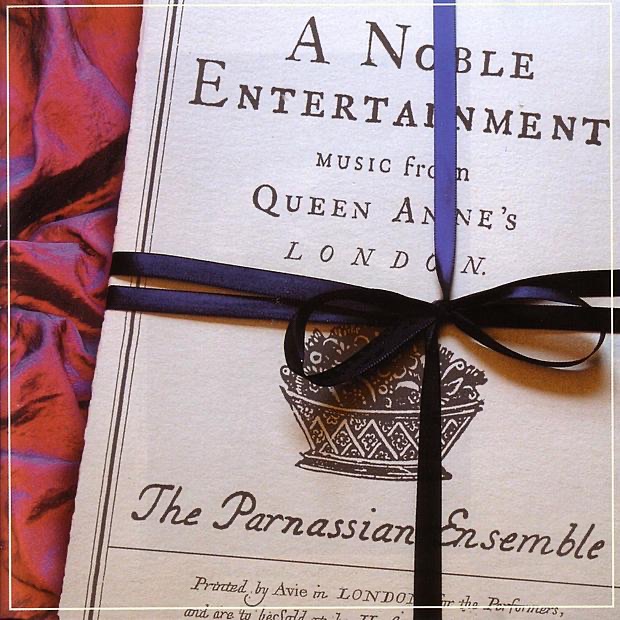 October 10, 2006
Artist Info
Role:ComposerCountry: GermanyBirth:July 19, 1819 in Zürich, SwitzerlandDeath:July 15, 1890 in Zürich, SwitzerlandPeriod:RomanticGenre:ChoralVocalGottfried Keller was a German composer born on January 11, 1927, in the city of Leipzig. He was the youngest of three children and grew up in a family of musicians. His father was a violinist, and his mother was a pianist. Keller's parents recognized his musical talent at an early age and encouraged him to pursue a career in music. Keller began his musical education at the age of six, studying piano and violin with his parents. He showed a particular aptitude for the piano and began composing his own music at the age of eight. By the time he was a teenager, Keller had already written several pieces for piano and had begun to experiment with orchestration. In 1945, Keller enrolled at the Leipzig Conservatory, where he studied composition with Johann Nepomuk David. David was a prominent composer and teacher who had studied with Arnold Schoenberg and Anton Webern. Under David's tutelage, Keller developed a deep understanding of the principles of twelve-tone composition and began to incorporate these techniques into his own work. After completing his studies at the Leipzig Conservatory, Keller worked as a freelance composer and pianist. He wrote music for a variety of ensembles, including orchestras, chamber groups, and solo performers. His early works were heavily influenced by the music of Schoenberg and Webern, but he soon began to develop his own unique style. One of Keller's most significant early works was his Piano Sonata No. 1, which he composed in 1951. The piece is a complex and challenging work that showcases Keller's mastery of twelve-tone composition. It was well-received by critics and established Keller as a rising star in the world of contemporary classical music. In the 1950s and 1960s, Keller continued to write music that explored the possibilities of twelve-tone composition. He also began to experiment with electronic music, using tape recorders and synthesizers to create new sounds and textures. One of his most notable works from this period is his String Quartet No. 2, which he composed in 1963. The piece is a haunting and atmospheric work that showcases Keller's ability to create complex and evocative textures using only four instruments. In the 1970s, Keller's music began to shift away from the strict principles of twelve-tone composition. He began to incorporate more tonal elements into his work, creating music that was more accessible to a wider audience. One of his most popular works from this period is his Piano Concerto, which he composed in 1978. The piece is a virtuosic showcase for the soloist and features lush, romantic melodies that are reminiscent of the music of Rachmaninoff and Tchaikovsky. In the 1980s and 1990s, Keller continued to write music that blended tonal and atonal elements. He also began to incorporate more world music influences into his work, drawing inspiration from the music of Africa, Asia, and the Middle East. One of his most notable works from this period is his Symphony No. 3, which he composed in 1992. The piece is a sprawling and ambitious work that incorporates elements of jazz, rock, and world music into a classical symphonic form. Throughout his career, Keller was recognized as one of the leading composers of his generation. He received numerous awards and honors, including the Ernst von Siemens Music Prize in 1987. He was also a respected teacher, and many of his students went on to become successful composers in their own right.More....
Recent Artist Music

Copyright Ⓒ 2013 Davinci Finger. All rights reseved
Service Terms & Policy