


Günter Ramin
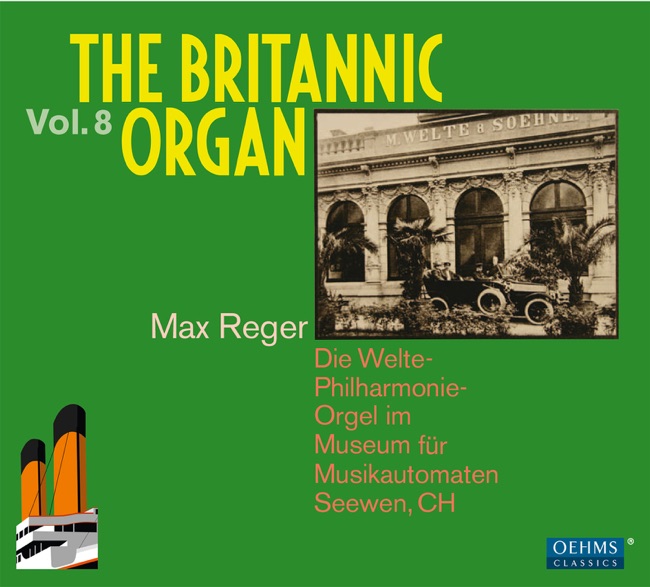
Artist Info
Role:PerformerGünter Ramin was a German classical music artist who was born on June 15, 1898, in Wismar, Germany. He was a renowned organist, conductor, and composer who made significant contributions to the world of classical music during his lifetime. Ramin's musical journey began at a young age when he started playing the piano and the organ. He received his first music lessons from his father, who was a church musician. Later, he studied at the Leipzig Conservatory, where he was trained in organ playing, composition, and conducting. He also studied with renowned musicians such as Karl Straube, Max Reger, and Arthur Nikisch. After completing his studies, Ramin started his career as a church musician in Leipzig. He served as the organist at the St. Thomas Church, where Johann Sebastian Bach had worked as a cantor. Ramin's performances at the church were highly acclaimed, and he soon gained a reputation as one of the finest organists of his time. In addition to his work as a church musician, Ramin also pursued a career as a conductor. He conducted several orchestras, including the Leipzig Gewandhaus Orchestra, the Berlin Philharmonic, and the Dresden State Opera. He was known for his precise and expressive conducting style, which earned him widespread recognition. Ramin was also a prolific composer, and his works were performed by many leading orchestras and ensembles. His compositions were influenced by the works of Bach, and he was known for his skillful use of counterpoint and harmony. Some of his most famous works include his organ concerto, his choral works, and his orchestral suites. Throughout his career, Ramin received numerous awards and honors for his contributions to classical music. In 1937, he was awarded the National Prize for Art and Science by the Nazi government. However, he later fell out of favor with the regime due to his refusal to join the Nazi Party. Despite this, he continued to perform and compose music throughout World War II. After the war, Ramin resumed his work as a church musician and conductor. He also became a professor at the Leipzig Conservatory, where he taught organ playing and conducting. He continued to compose music until his death on February 26, 1956, in Leipzig. In conclusion, Günter Ramin was a highly accomplished classical music artist who made significant contributions to the world of music during his lifetime. His skillful organ playing, conducting, and composition earned him widespread recognition and acclaim. Despite the challenges he faced during the Nazi regime, he remained committed to his art and continued to inspire generations of musicians with his work.More....
Recent Artist Music
Copyright Ⓒ 2013 Davinci Finger. All rights reseved
Service Terms & Policy