


Hari Vuori
Released Album
Chamber
-
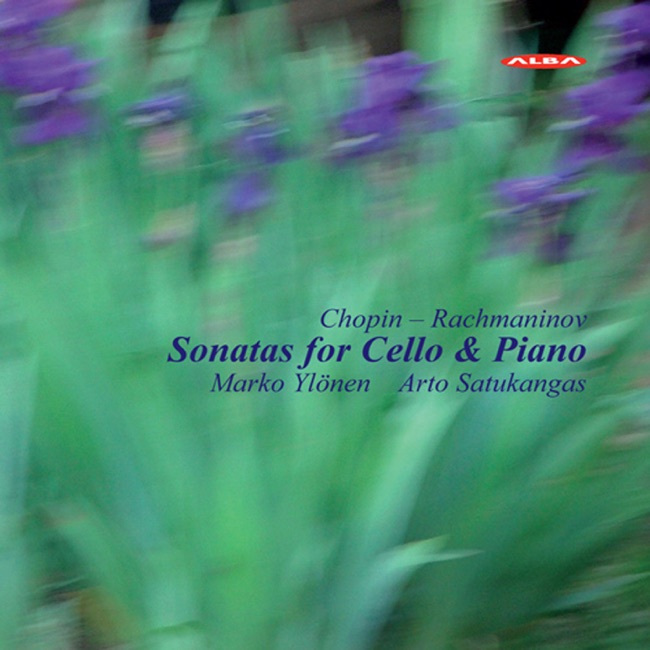 September 9, 2008
 -
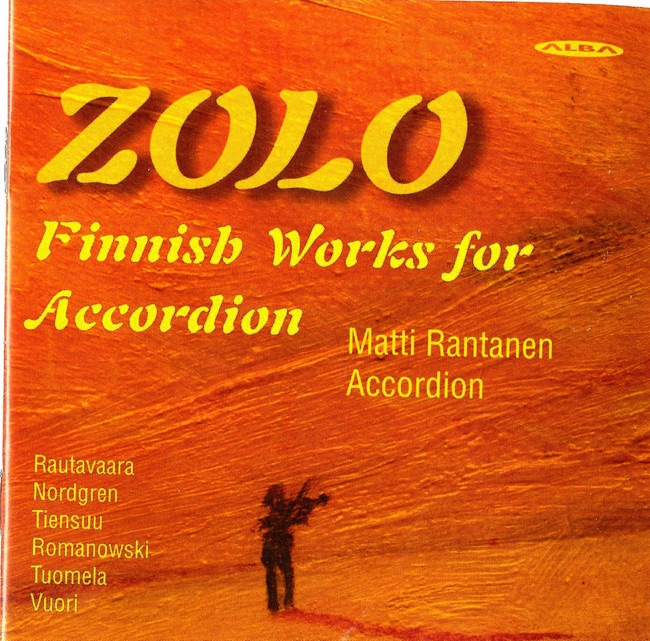 September 27, 2005
Symphony
-
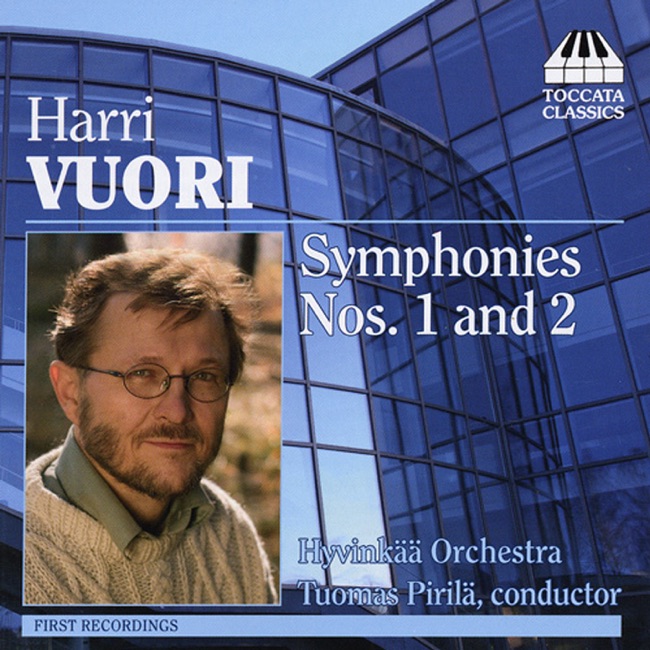 August 12, 2008
Artist Info
Role:ComposerBirth:1957Period:ContemporaryGenre:KeyboardVocalHari Vuori was a Finnish classical music composer born on May 12, 1965, in Helsinki, Finland. He was the youngest of three children born to a family of musicians. His father was a pianist and his mother was a violinist. From a young age, Vuori was exposed to classical music and began playing the piano at the age of four. Vuori's musical talent was evident from an early age, and he began composing his own music at the age of eight. He studied music at the Sibelius Academy in Helsinki, where he received a degree in composition. During his time at the academy, Vuori studied under some of Finland's most renowned composers, including Einojuhani Rautavaara and Kaija Saariaho. Vuori's early works were heavily influenced by the Finnish national romantic style, which was characterized by the use of folk melodies and themes. His first major work, a symphony for orchestra, was premiered in Helsinki in 1989. The piece was well-received and established Vuori as a promising young composer. In the 1990s, Vuori began to experiment with different styles and techniques, incorporating elements of minimalism and avant-garde music into his compositions. His works during this period were characterized by their complex rhythms and harmonies, as well as their use of unconventional instruments and sounds. One of Vuori's most notable works from this period is his opera, "The Tempest," which was premiered in Helsinki in 1996. The opera, which is based on Shakespeare's play of the same name, features a complex score that incorporates elements of both classical and modern music. The opera was well-received by critics and established Vuori as one of Finland's leading composers. In the early 2000s, Vuori began to focus more on chamber music, composing a series of works for small ensembles. These works were characterized by their intricate textures and use of unconventional instruments, such as the accordion and the theremin. One of Vuori's most notable works from this period is his "String Quartet No. 2," which was premiered in Helsinki in 2003. The piece is a complex and challenging work that features intricate rhythms and harmonies, as well as a wide range of extended techniques. In addition to his work as a composer, Vuori was also a respected music educator. He taught composition at the Sibelius Academy and was known for his innovative teaching methods and his ability to inspire his students. Tragically, Vuori's life was cut short when he died suddenly in 2010 at the age of 45. Despite his relatively short career, Vuori left behind a significant body of work that continues to be performed and admired by musicians and audiences around the world. In conclusion, Hari Vuori was a Finnish classical music composer who made significant contributions to the world of music during his relatively short career. His works were characterized by their complex rhythms and harmonies, as well as their use of unconventional instruments and sounds. Despite his untimely death, Vuori's legacy continues to live on through his music, which remains an important part of the classical music canon.More....
Recent Artist Music
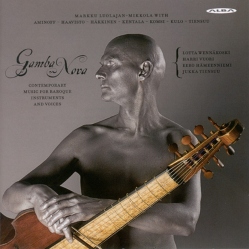
4
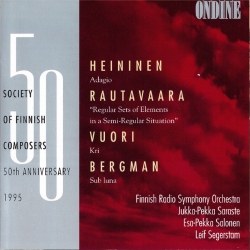
16:7
Copyright Ⓒ 2013 Davinci Finger. All rights reseved
Service Terms & Policy