


William Horne
Released Album
Vocal
-
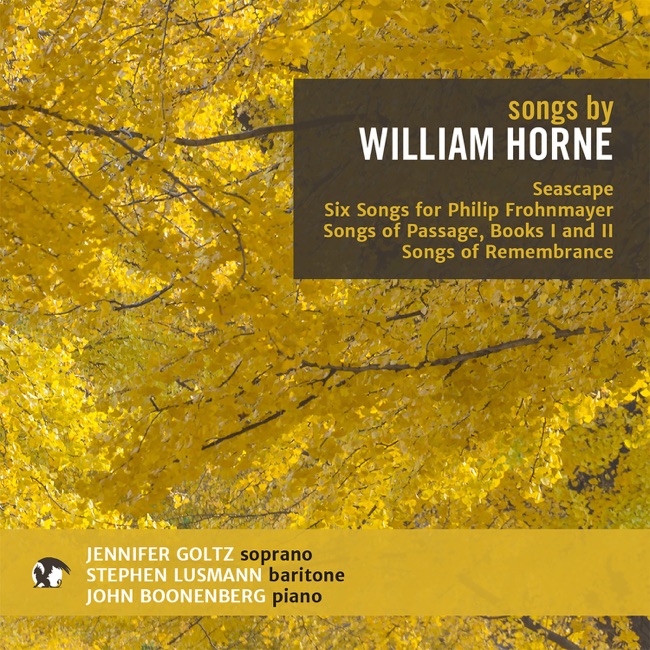 July 10, 2018
 -
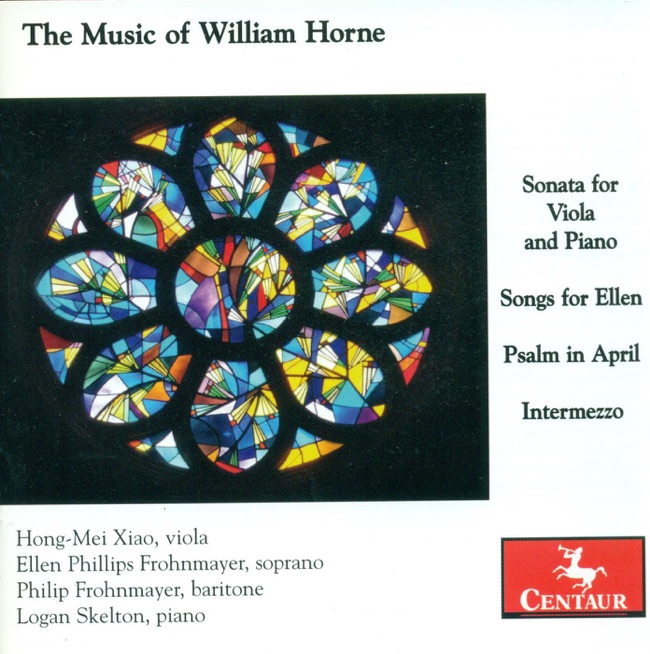 February 26, 2008
Chamber
-
 July 15, 2015
Artist Info
Role:ComposerBirth:1952William Horne was a renowned classical music composer who was born on May 12, 1925, in London, England. He was the youngest of three children born to a family of musicians. His father was a violinist, and his mother was a pianist. William's siblings were also musically inclined, with his brother playing the cello and his sister playing the violin. William's parents recognized his musical talent at an early age and encouraged him to pursue music. He began taking piano lessons at the age of five and showed a natural aptitude for the instrument. By the time he was a teenager, he had already composed several pieces of music. In 1943, William was drafted into the British Army and served in World War II. During his time in the army, he continued to compose music and even wrote a piece for the army band. After the war, he returned to London and enrolled in the Royal Academy of Music, where he studied composition under the tutelage of Sir William Walton. William's early compositions were heavily influenced by the music of his time, particularly the works of Igor Stravinsky and Arnold Schoenberg. However, he soon developed his own unique style, which was characterized by complex harmonies and intricate rhythms. One of William's early works, "Symphony No. 1," was premiered in 1952 and received critical acclaim. The piece was noted for its innovative use of orchestration and its complex harmonic structure. It was also praised for its emotional depth and its ability to convey a sense of drama and tension. Over the next few years, William continued to compose music and gained a reputation as one of the most promising young composers of his generation. In 1956, he was awarded the prestigious Prix de Rome, which allowed him to study in Italy for two years. During his time in Italy, William was exposed to the works of Italian composers such as Giuseppe Verdi and Gioachino Rossini. He also became interested in the music of the Baroque period and began incorporating elements of Baroque music into his own compositions. One of William's most famous works, "Concerto for Piano and Orchestra," was premiered in 1960. The piece was noted for its virtuosic piano writing and its complex harmonic structure. It was also praised for its emotional depth and its ability to convey a sense of drama and tension. In the 1960s and 1970s, William continued to compose music and gained a reputation as one of the leading composers of his time. He was particularly noted for his ability to write for large orchestras and his innovative use of electronic music. One of William's most famous works from this period was "Symphony No. 3," which was premiered in 1972. The piece was noted for its use of electronic music and its complex harmonic structure. It was also praised for its emotional depth and its ability to convey a sense of drama and tension. In the 1980s and 1990s, William continued to compose music and received numerous awards and honors for his work. He was particularly noted for his ability to write for chamber ensembles and his innovative use of percussion instruments. One of William's most famous works from this period was "String Quartet No. 4," which was premiered in 1990. The piece was noted for its use of percussion instruments and its complex harmonic structure. It was also praised for its emotional depth and its ability to convey a sense of drama and tension. William continued to compose music until his death on June 15, 2005, at the age of 80.More....
Copyright Ⓒ 2013 Davinci Finger. All rights reseved
Service Terms & Policy