


Simon Laks
Released Album
Orchestral
-
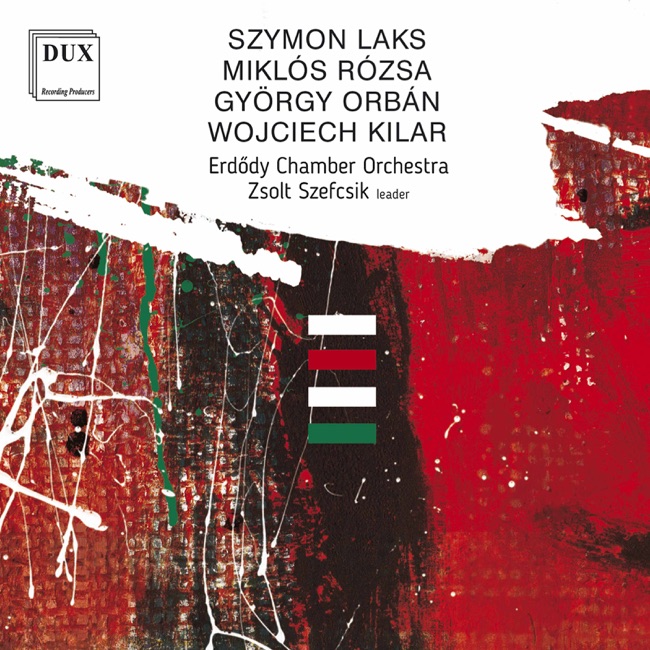 July 17, 2020
 -
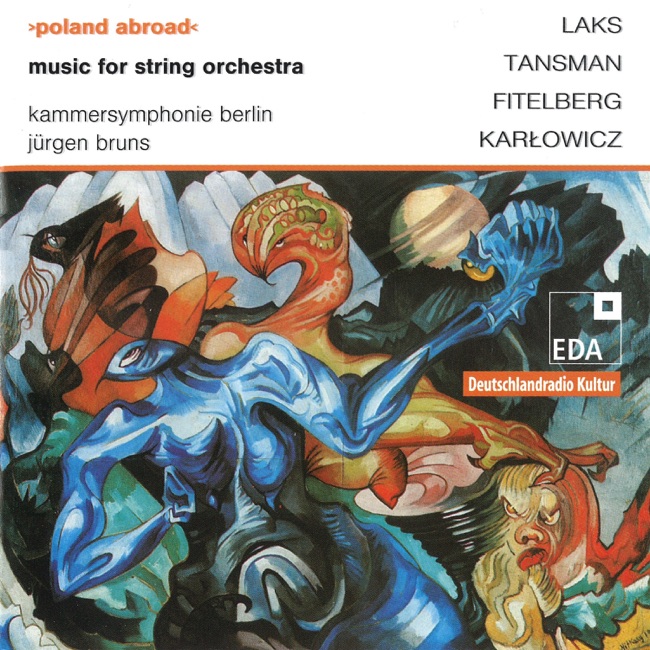 June, 2006
Chamber
-
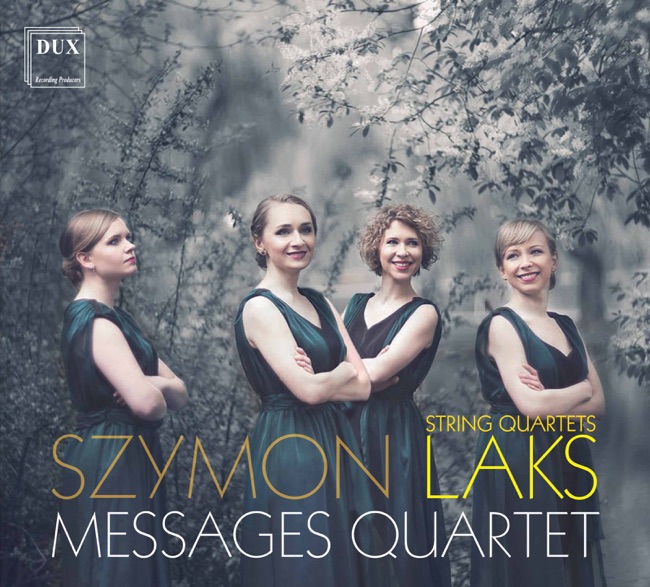 July 21, 2017
 -
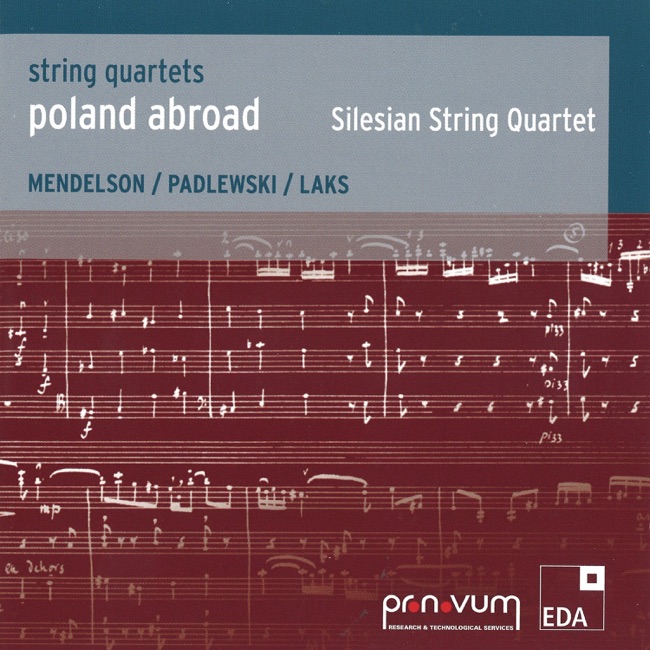 September, 2010
Symphony
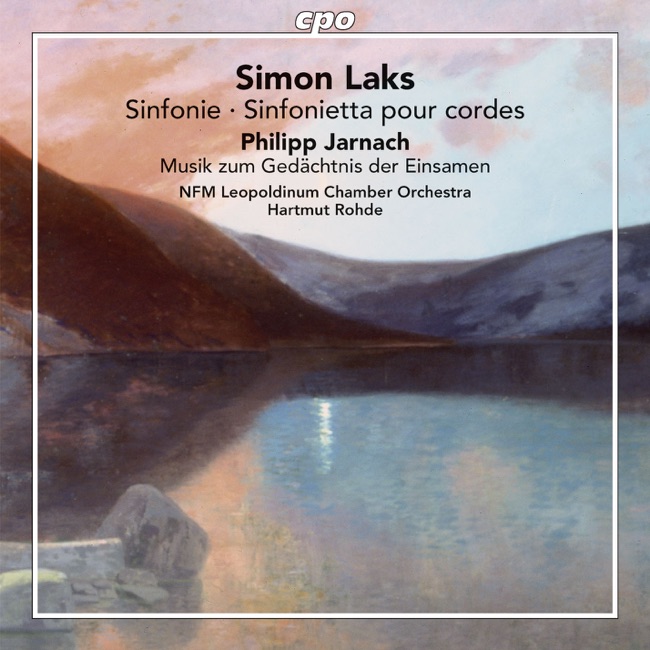
Artist Info
Role:ComposerBirth:1901Death:1983Simon Laks was a Polish-Jewish composer, conductor, and violinist who was born on November 1, 1901, in Warsaw, Poland. He was the son of a wealthy Jewish family, and his father was a successful businessman. Laks showed an early interest in music and began playing the violin at the age of six. He received his first music lessons from his mother, who was a pianist. Laks studied at the Warsaw Conservatory, where he received a solid foundation in music theory and composition. He also studied the violin with the renowned Polish violinist and composer, Karol Szymanowski. In 1921, Laks moved to Paris to continue his studies at the Conservatoire de Paris. He studied composition with Paul Dukas and violin with Jacques Thibaud. In Paris, Laks became involved in the vibrant artistic and intellectual community of the city. He met many of the leading figures of the time, including Pablo Picasso, Jean Cocteau, and Igor Stravinsky. He also became involved in the Yiddish cultural scene in Paris and began to explore his Jewish heritage. Laks's early compositions were influenced by the French Impressionist style, but he soon began to incorporate elements of Jewish folk music into his work. He was particularly interested in the music of the Klezmer tradition, which he heard in the Jewish neighborhoods of Paris. Laks's music was characterized by its lyricism, rhythmic vitality, and emotional intensity. In 1939, Laks was arrested by the Nazis and sent to the concentration camp at Auschwitz. He was one of the few musicians to survive the camp, and he later wrote about his experiences in his memoir, Music of Another World. While at Auschwitz, Laks was forced to play in the camp orchestra, which was used to provide music for the prisoners as they were marched to and from their work assignments. Laks also composed music while in the camp, including a string quartet that was performed by fellow prisoners. After the war, Laks returned to Paris and resumed his career as a composer and conductor. He became involved in the rebuilding of Jewish cultural life in France and was a founding member of the Association des Musiciens Juifs de France. He also served as the conductor of the Orchestre Symphonique de la Radio-Télévision Française. Laks's music from this period reflects his experiences during the war and his commitment to Jewish culture. His compositions often incorporate Jewish folk melodies and themes, and he wrote several works for Jewish religious services. He also wrote music for the theater and film, including the score for the film Les Amants de Montparnasse. In 1950, Laks emigrated to Israel and settled in Jerusalem. He continued to compose and conduct, and he became involved in the cultural life of the new state. He served as the conductor of the Israel Chamber Orchestra and was a professor of composition at the Jerusalem Academy of Music and Dance. Laks's music from this period reflects his interest in the music of the Middle East and his commitment to the development of Israeli culture. He wrote several works for traditional Middle Eastern instruments, including the oud and the ney. He also wrote music for the theater and film, including the score for the film Sallah Shabati. Laks died in Jerusalem on December 15, 1983, at the age of 82. He left behind a rich legacy of music that reflects his experiences as a Polish-Jewish composer and his commitment to Jewish culture.More....
Copyright Ⓒ 2013 Davinci Finger. All rights reseved
Service Terms & Policy