


E. Takeo Kudo
Released Album
Chamber
-
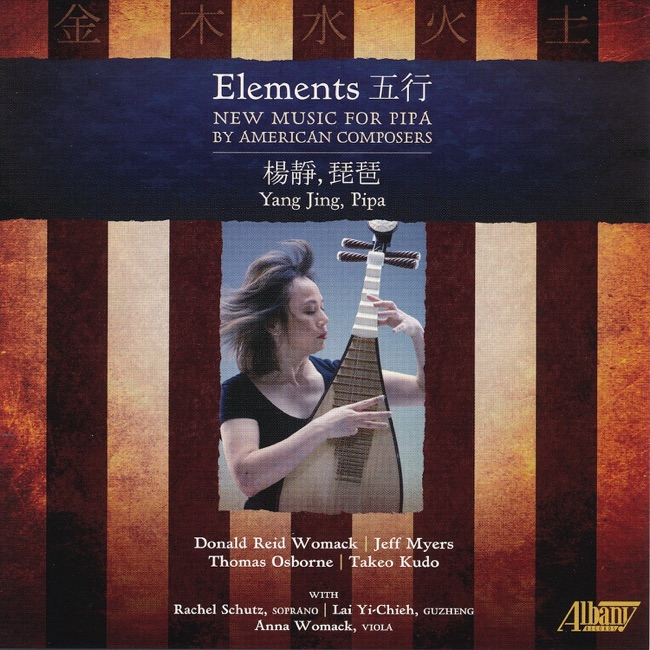 December 10, 2013
 -
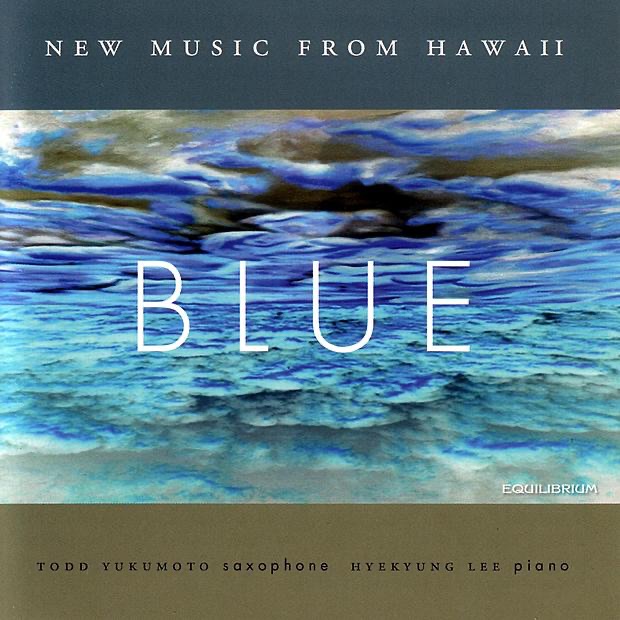 June 29, 2004
Artist Info
Role:ComposerE. Takeo Kudo was a Japanese-American composer who made significant contributions to the world of classical music. Born on December 25, 1928, in Los Angeles, California, Kudo was the son of Japanese immigrants. His parents were both musically inclined, and they encouraged their son to pursue music from a young age. Kudo began his musical education at the age of six when he started taking piano lessons. He quickly showed a natural talent for the instrument and began composing his own music by the age of ten. Kudo's parents recognized his potential and enrolled him in the Los Angeles Conservatory of Music, where he studied piano, composition, and music theory. Kudo's early compositions were heavily influenced by the classical music of Europe, particularly the works of Beethoven, Mozart, and Bach. However, as he grew older, Kudo began to incorporate elements of Japanese music into his compositions. He was particularly interested in the traditional Japanese instrument, the koto, and often used its unique sound in his works. In 1942, when Kudo was just thirteen years old, his family was forced to relocate to an internment camp in Arizona due to the anti-Japanese sentiment that was prevalent in the United States during World War II. Despite the difficult circumstances, Kudo continued to study music and compose while in the camp. He even formed a small ensemble with other musicians in the camp and performed for fellow internees. After the war ended, Kudo's family returned to Los Angeles, and he resumed his musical studies. He attended the University of Southern California, where he earned a Bachelor of Music degree in composition. He then went on to study at the Eastman School of Music in Rochester, New York, where he earned a Master of Music degree in composition. Kudo's compositions during this time were heavily influenced by the avant-garde music of the mid-twentieth century. He experimented with atonal and serial techniques, and his works often featured complex rhythms and dissonant harmonies. However, he never lost his connection to his Japanese heritage, and his compositions continued to incorporate elements of Japanese music. In 1955, Kudo was awarded a Fulbright scholarship to study music in Japan. He spent a year in Tokyo, studying traditional Japanese music and immersing himself in the country's culture. This experience had a profound impact on Kudo's music, and he began to incorporate even more elements of Japanese music into his compositions. Kudo's most famous work is his Symphony No. 1, which he composed in 1961. The symphony is a fusion of Western classical music and traditional Japanese music, and it features a solo koto as well as a Western orchestra. The work was well-received by critics and audiences alike and helped to establish Kudo as a major figure in the world of classical music. Throughout his career, Kudo continued to compose music that blended Western classical music with traditional Japanese music. He also worked as a professor of music at various universities, including the University of California, Los Angeles, and the University of Hawaii. Kudo's contributions to the world of classical music were recognized with numerous awards and honors. He was awarded the Order of the Rising Sun, Gold Rays with Rosette, by the Japanese government in 1993 for his contributions to the promotion of Japanese culture. He was also awarded the American Academy of Arts and Letters Music Award in 1995. E.More....
Recent Artist Music
Copyright Ⓒ 2013 Davinci Finger. All rights reseved
Service Terms & Policy