


Hermann Haller
Released Album
Chamber
-
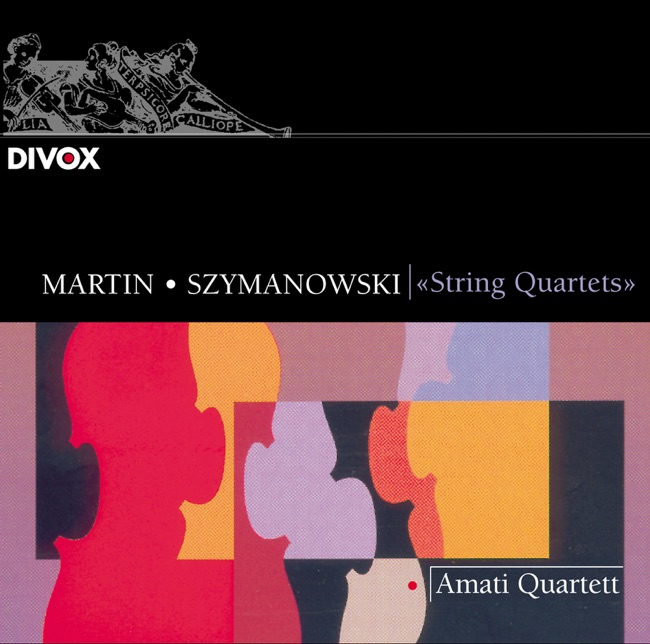 January 25, 2011
 -
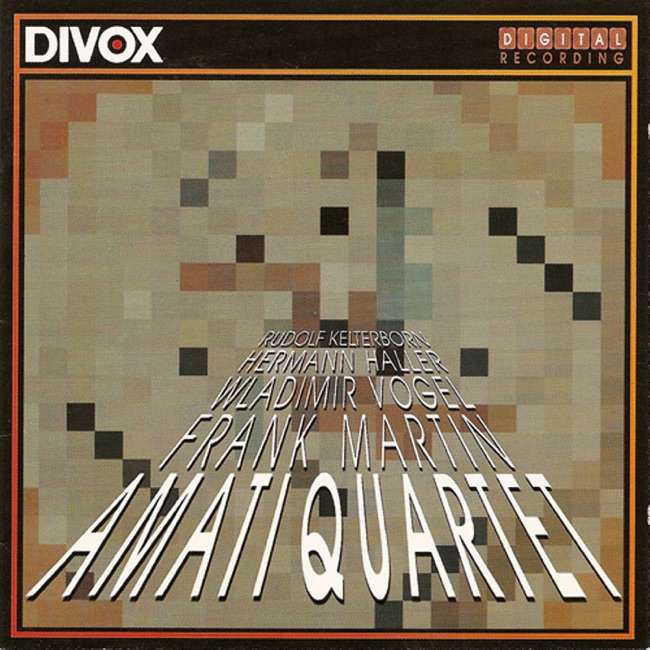
Concerto
-
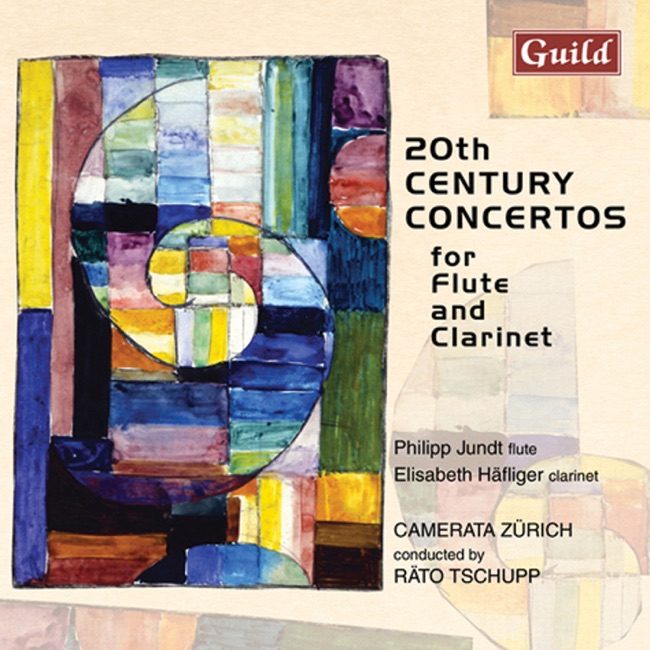 September 30, 2002
Artist Info
Role:ComposerCountry: SwitzerlandBirth:June 9, 1914Death:2002Period:ModernGenre:ChamberConcertoOperaVocalHermann Haller was a Swiss composer and conductor who lived from 1880 to 1950. He was born in the town of St. Gallen, Switzerland, and showed an early interest in music. His parents were both amateur musicians, and they encouraged him to pursue his passion for music. Haller began his formal musical education at the age of 10, when he started taking piano lessons. He quickly showed a talent for the instrument, and by the age of 14, he was already performing in public. He continued his studies at the Zurich Conservatory, where he studied composition with Friedrich Hegar and piano with Robert Freund. After completing his studies, Haller began his career as a conductor. He worked in various cities throughout Switzerland, including Zurich, Bern, and Basel. He also spent some time in Germany, where he conducted the Berlin Philharmonic Orchestra. Haller's early compositions were heavily influenced by the Romantic style of music that was popular at the time. He wrote a number of orchestral works, including symphonies, tone poems, and concertos. His Symphony No. 1, which he composed in 1906, was particularly well-received, and helped establish his reputation as a composer. In addition to his work as a composer and conductor, Haller was also a music educator. He taught at the Zurich Conservatory, where he was a professor of composition and conducting. Many of his students went on to have successful careers in music, including the composer Frank Martin. During World War I, Haller served as a conductor in the Swiss Army. After the war, he continued to compose and conduct, and his music began to evolve. He became interested in the music of the Second Viennese School, particularly the works of Arnold Schoenberg. He began incorporating elements of atonality and serialism into his compositions, which caused some controversy among audiences and critics. Despite this controversy, Haller continued to compose and conduct throughout the 1920s and 1930s. He wrote a number of choral works, including a setting of the Requiem Mass. He also composed several operas, including Der Berg, which was based on a play by the Swiss writer Robert Walser. Haller's music fell out of favor in the years following World War II, as audiences and critics began to embrace more modernist styles of music. However, in recent years, there has been a renewed interest in his work. Several of his compositions have been recorded and performed, and his Symphony No. 1 has been hailed as a masterpiece of Swiss music. Hermann Haller died in 1950, at the age of 70. He left behind a legacy of music that continues to be appreciated by audiences and musicians alike. His contributions to Swiss music, both as a composer and a conductor, have earned him a place among the country's most important cultural figures.More....
Recent Artist Music
Copyright Ⓒ 2013 Davinci Finger. All rights reseved
Service Terms & Policy