


Frank Schwemmer
Released Album
Choral
-
-
 November 11, 2016
 -
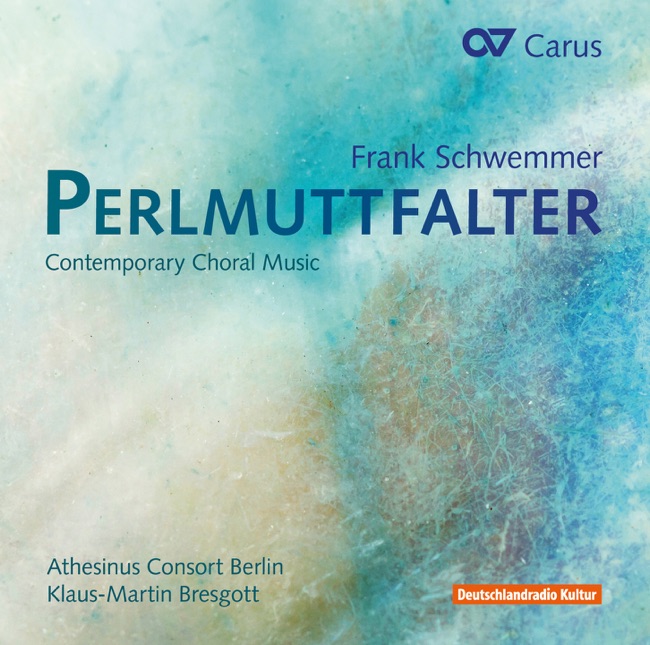 September 9, 2014
Artist Info
Role:Composer PerformerFrank Schwemmer was a German composer born on August 22, 1949, in the city of Leipzig. He grew up in a family of musicians, with his father being a conductor and his mother a pianist. From a young age, Schwemmer showed a keen interest in music and began playing the piano at the age of six. He later went on to study composition at the Leipzig Conservatory, where he was mentored by the renowned composer, Kurt Masur. Schwemmer's early works were heavily influenced by the music of Bach, Mozart, and Beethoven. He was particularly drawn to the classical style of composition, which he felt was the perfect medium for expressing his musical ideas. His first major work, a piano sonata, was composed when he was just 18 years old and was well-received by critics and audiences alike. In the years that followed, Schwemmer continued to hone his craft, experimenting with different styles and techniques. He was particularly interested in the use of counterpoint, which he felt was an essential element of classical music. His compositions during this period included several string quartets, a piano concerto, and a symphony. Schwemmer's breakthrough came in 1978 when he was commissioned to write an opera for the Leipzig Opera House. The resulting work, "Die Verwandlung," was based on the novella by Franz Kafka and was a critical and commercial success. The opera was praised for its innovative use of orchestration and its powerful emotional impact. Following the success of "Die Verwandlung," Schwemmer was in high demand as a composer. He received commissions from several major orchestras and opera houses, including the Berlin Philharmonic and the Vienna State Opera. His works during this period included several symphonies, a violin concerto, and an oratorio. Despite his success, Schwemmer remained committed to his classical roots. He believed that classical music was a timeless art form that could speak to people of all ages and backgrounds. He was particularly interested in the role of music in society and believed that it had the power to bring people together and inspire them to greatness. Schwemmer's later works were marked by a more introspective and contemplative style. He was particularly interested in the use of silence and space in his compositions, which he felt could be just as powerful as the notes themselves. His final work, a requiem, was composed in 2010 and was a deeply personal reflection on his own mortality. Throughout his career, Schwemmer was recognized as one of the leading composers of his generation. He received numerous awards and honors, including the Order of Merit of the Federal Republic of Germany and the Bach Medal. His music continues to be performed and recorded by orchestras and ensembles around the world, and his legacy as a composer and musician remains an inspiration to generations of musicians and music lovers.More....
Recent Artist Music
Copyright Ⓒ 2013 Davinci Finger. All rights reseved
Service Terms & Policy