


Ralf Yusif Gawlick
Released Album
Chamber
-
 October 14, 2016
 -
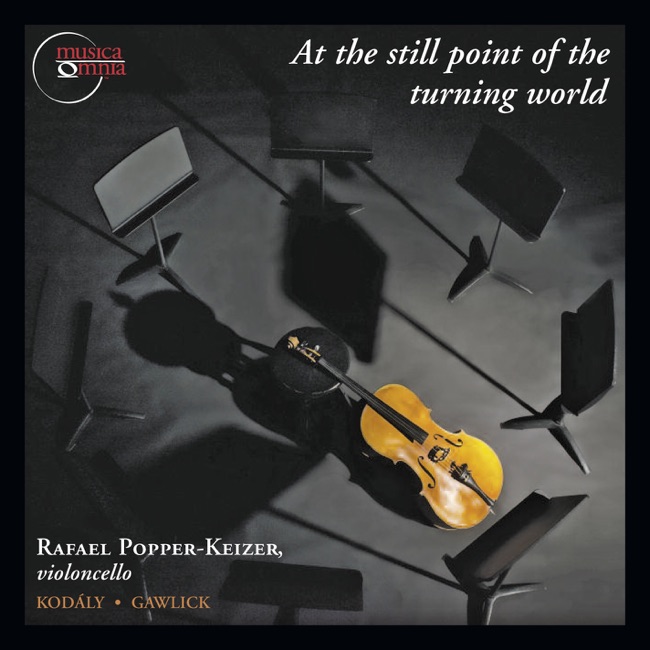 September 30, 2013
Vocal
-
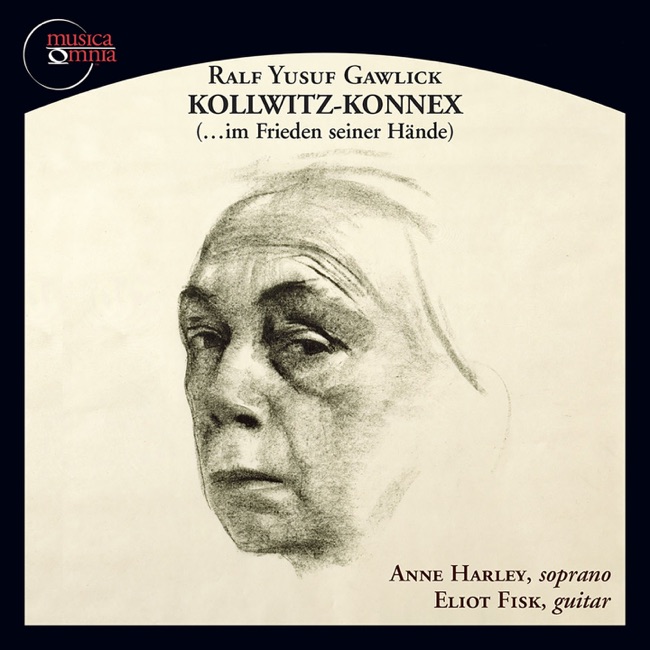 September 11, 2015
Choral
-
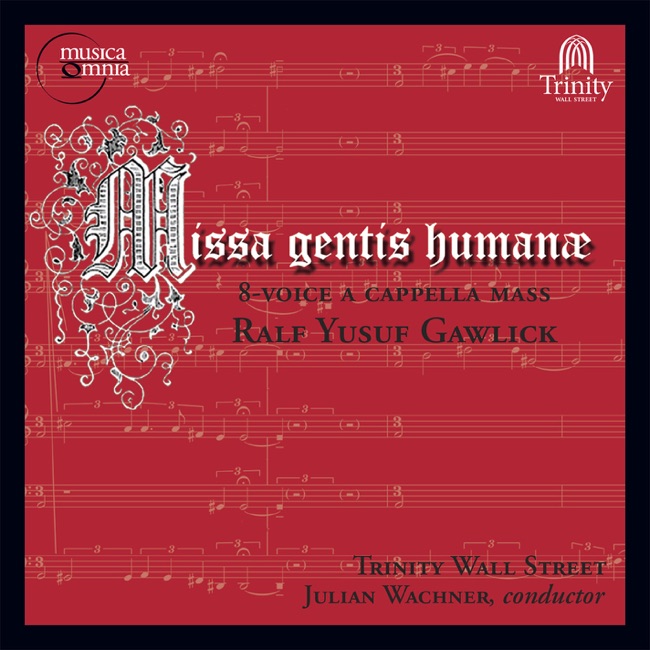 August 12, 2014
Artist Info
Role:ComposerBirth:1969 in Pfaffenhofen, GermanyPeriod:ContemporaryGenre:Avant-GardeRalf Yusif Gawlick is a German-American composer of classical music, known for his unique blend of Western and Middle Eastern musical traditions. Born on August 28, 1969, in Munich, Germany, Gawlick grew up in a family of musicians. His father was a composer and conductor, and his mother was a pianist. From a young age, Gawlick showed a keen interest in music and began studying the piano and violin. Gawlick's musical education began at the Hochschule für Musik und Theater München, where he studied composition with Dieter Acker and conducting with Sergiu Celibidache. He later continued his studies at the Hochschule für Musik und Darstellende Kunst Frankfurt am Main, where he studied with Hans Zender and Wolfgang Rihm. During this time, Gawlick also spent several years studying Middle Eastern music, particularly the music of Iran and Turkey. Gawlick's early compositions were heavily influenced by the music of his father, as well as by the works of composers such as Bach, Beethoven, and Brahms. However, as he continued to study Middle Eastern music, Gawlick began to incorporate elements of this tradition into his compositions. This fusion of Western and Middle Eastern musical traditions would become a hallmark of Gawlick's work. One of Gawlick's early works, "Three Songs for Soprano and Piano," was premiered in 1993 and received critical acclaim. The songs, which set texts by Rainer Maria Rilke, were praised for their lyrical beauty and emotional depth. Gawlick continued to compose vocal music throughout his career, often setting texts by poets such as Rilke, Goethe, and Hafez. In 1996, Gawlick moved to the United States to pursue a doctorate in composition at the University of Michigan. While there, he studied with William Bolcom, Michael Daugherty, and Evan Chambers. Gawlick's time in the United States had a significant impact on his music, as he began to incorporate elements of American popular music into his compositions. One of Gawlick's most well-known works is "The Passion of St. John," a setting of the Gospel of John for choir and orchestra. The work, which was premiered in 2006, combines elements of Western classical music with Middle Eastern musical traditions, including the use of Persian instruments such as the santur and the daf. "The Passion of St. John" has been performed by choirs and orchestras around the world and has been praised for its innovative approach to the traditional Passion story. Gawlick's other notable works include "The Book of Job," a setting of the biblical story for choir and orchestra, and "The Rubaiyat of Omar Khayyam," a setting of the Persian poet's verses for voice and piano. Gawlick has also composed several works for chamber ensembles, including "String Quartet No. 1" and "Trio for Clarinet, Violin, and Piano." In addition to his work as a composer, Gawlick is also a respected music educator. He has taught at several universities, including the University of Michigan, the University of North Carolina at Chapel Hill, and the University of Montana. Gawlick is known for his innovative teaching methods, which often incorporate elements of improvisation and world music. Gawlick's music has been praised for its emotional depth, lyrical beauty, and innovative fusion of Western and Middle Eastern musical traditions. His unique approach to composition has earned him a devoted following among both classical music enthusiasts and fans of world music.More....
Recent Artist Music
1
3:55
2
5:43
Copyright Ⓒ 2013 Davinci Finger. All rights reseved
Service Terms & Policy