


Barbara Conrad
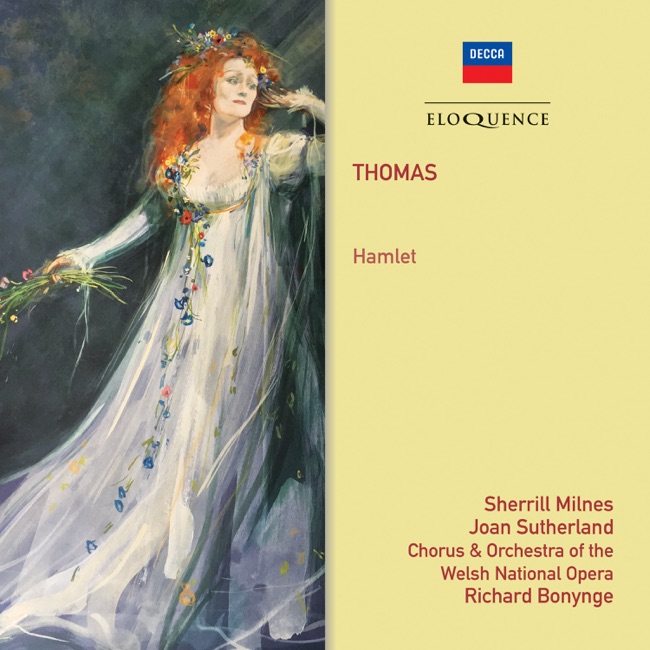
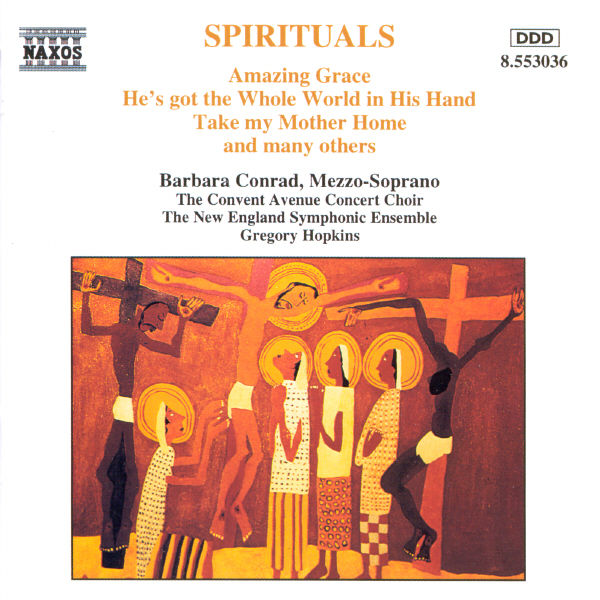
Artist Info
Birth:August 11, 1937 in Atlanta, TXDeath:May 22, 2017 in Edison, NJPeriod:ModernGenre:OperaVocalBarbara Conrad was a renowned classical music artist who made a significant impact on the world of opera and concert singing. Born on August 13, 1940, in Brooklyn, New York, Conrad grew up in a musical family. Her father was a jazz pianist, and her mother was a singer. Conrad's parents recognized her talent at an early age and encouraged her to pursue a career in music. Conrad began her formal music education at the High School of Music and Art in New York City. She then went on to study at the Juilliard School, where she received a Bachelor of Music degree in voice. After completing her studies, Conrad made her professional debut in 1965 as a soloist with the New York Philharmonic Orchestra. Throughout her career, Conrad performed in some of the world's most prestigious opera houses and concert halls. She made her debut at the Metropolitan Opera in 1972, where she sang the role of Ulrica in Verdi's "Un Ballo in Maschera." Conrad went on to perform at the Met for over a decade, singing roles such as Amneris in Verdi's "Aida," Azucena in Verdi's "Il Trovatore," and the title role in Bizet's "Carmen." Conrad was also a frequent performer at the New York City Opera, where she sang roles such as the Witch in Humperdinck's "Hansel and Gretel," the Old Lady in Bernstein's "Candide," and the title role in Puccini's "Tosca." She also performed with the San Francisco Opera, the Houston Grand Opera, and the Lyric Opera of Chicago. In addition to her opera performances, Conrad was also a sought-after concert singer. She performed with some of the world's leading orchestras, including the New York Philharmonic, the Boston Symphony Orchestra, and the Chicago Symphony Orchestra. Conrad was particularly known for her performances of Mahler's "Das Lied von der Erde" and "Symphony No. 8." Throughout her career, Conrad received numerous awards and honors for her contributions to the world of classical music. In 1976, she was awarded the Marian Anderson Award, which recognizes African American artists who have made significant contributions to the arts. In 1980, she received the Richard Tucker Award, which is given annually to an outstanding American opera singer. Conrad was also inducted into the American Classical Music Hall of Fame in 2003. Despite her success, Conrad faced many challenges as an African American opera singer in a predominantly white industry. She often spoke out about the lack of opportunities for black singers and the need for greater diversity in the opera world. In an interview with the New York Times in 1985, Conrad said, "I think it's important for black singers to be seen and heard in opera. We have a lot to offer, and we need to be given the chance to show what we can do." Conrad retired from performing in 1997 but continued to be involved in the music world as a teacher and mentor. She taught at the Manhattan School of Music and the Juilliard School and was a frequent guest lecturer at universities and music schools around the country. Barbara Conrad passed away on January 22, 2017, at the age of 76. She left behind a legacy as one of the most talented and influential opera singers of her generation. Her powerful voice, dynamic stage presence, and commitment to diversity and inclusion continue to inspire musicians and audiences around the world.More....
Recent Artist Music
Copyright Ⓒ 2013 Davinci Finger. All rights reseved
Service Terms & Policy