


Carl Friedemann
Released Album
Chamber
-
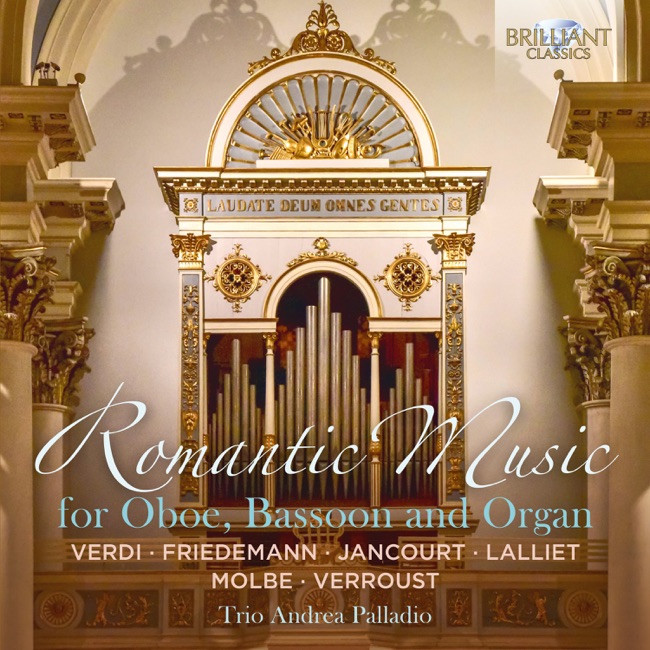 November 9, 2018
 -
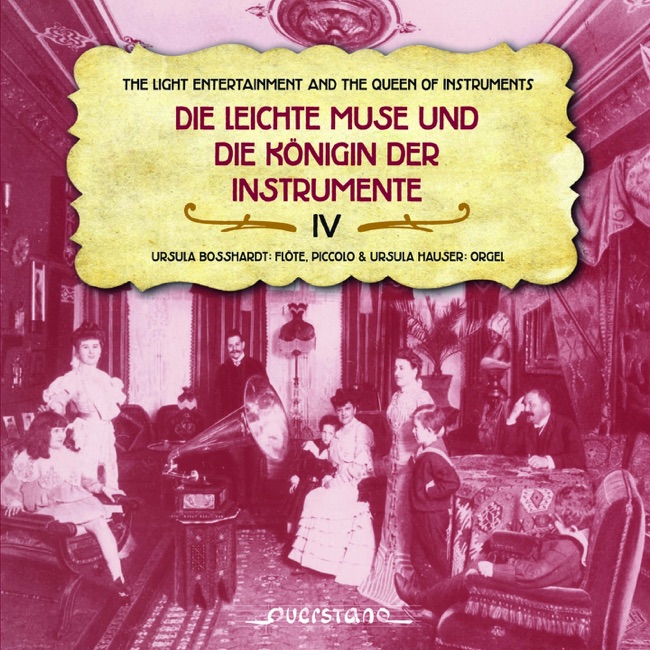
Artist Info
Role:ComposerBirth:April 29, 1862Death:April 9, 1952Period:RomanticContemporaryCarl Friedemann was a German composer born on October 28, 1872, in Berlin. He was the son of a prominent music teacher, and his father recognized his son's musical talent at an early age. Carl began his musical education at the age of six, studying piano and composition with his father. He later studied at the Berlin Conservatory, where he was a student of the renowned composer and conductor, Joseph Joachim. Friedemann's early compositions were heavily influenced by the Romantic style of music, which was popular in Germany during the late 19th century. His first major work, a piano concerto, was composed when he was just 18 years old. The concerto was well-received by audiences and critics alike, and it helped establish Friedemann as a promising young composer. In 1894, Friedemann moved to Vienna, where he continued his studies with the composer and conductor, Gustav Mahler. Mahler was a major influence on Friedemann's music, and he encouraged the young composer to explore new and innovative musical ideas. Friedemann's compositions from this period reflect Mahler's influence, with their complex harmonies and unconventional structures. Friedemann's most famous work is his Symphony No. 1, which he composed in 1901. The symphony is a massive work, with a duration of over an hour, and it is considered one of the greatest symphonies of the early 20th century. The symphony is notable for its use of unconventional harmonies and its complex orchestration, which includes a large percussion section and a prominent role for the organ. Friedemann's music was not always well-received by audiences and critics. His use of dissonance and unconventional harmonies was often seen as too radical, and some critics accused him of being too intellectual and lacking in emotional depth. However, Friedemann's music was highly respected by his fellow composers, and he was considered one of the leading figures of the Second Viennese School, a group of composers who were known for their innovative and experimental approach to music. Friedemann continued to compose throughout his life, and his later works reflect his growing interest in atonal music and serialism. He also became interested in electronic music, and he experimented with tape manipulation and other electronic techniques in his later compositions. Friedemann died on July 24, 1951, in Vienna. He left behind a legacy of innovative and groundbreaking music, which continues to inspire and influence composers to this day. His music is characterized by its complex harmonies, unconventional structures, and its willingness to push the boundaries of traditional musical forms. Despite the challenges he faced during his lifetime, Friedemann remains one of the most important and influential composers of the 20th century.More....

Copyright Ⓒ 2013 Davinci Finger. All rights reseved
Service Terms & Policy