


Guinga / Aldir Blanc
Released Album
Chamber
-
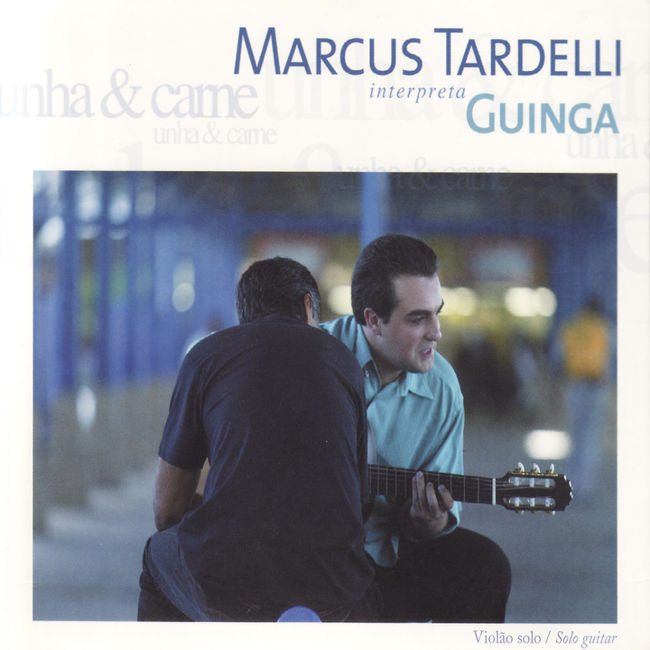 March 20, 2006
 -
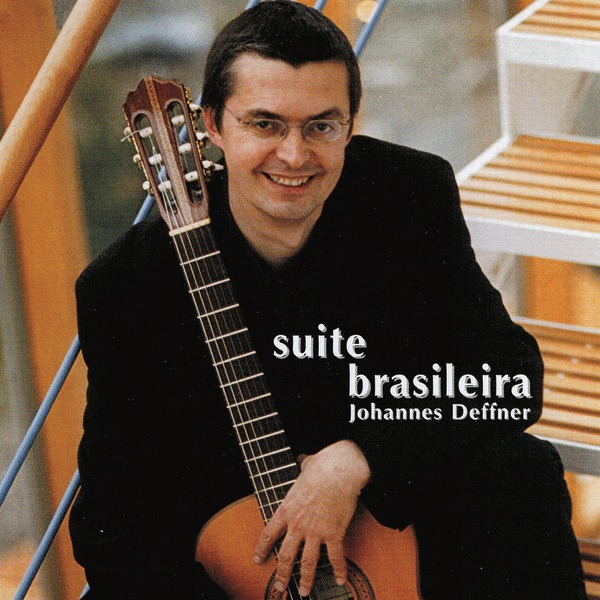 August 23, 2005
Miscellaneous
-
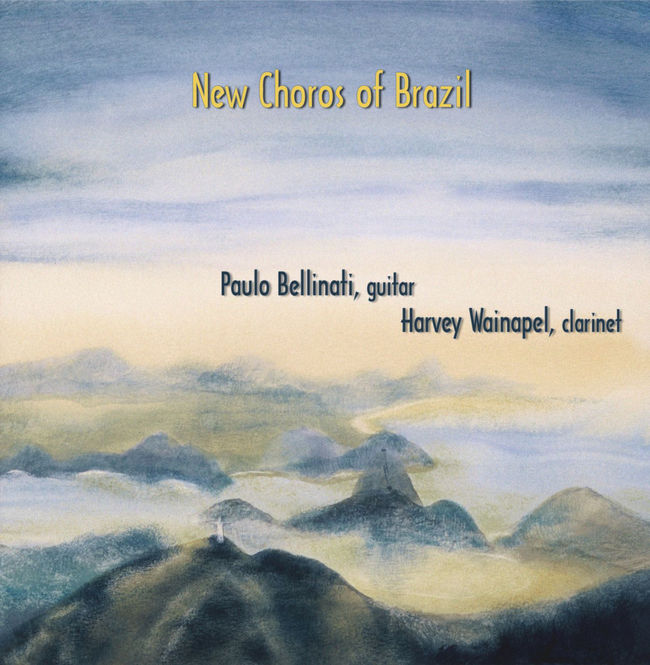 December 27, 2005
Artist Info
Role:ComposerGuinga, born Carlos Althier de Souza Lemos Escobar, is a Brazilian composer and guitarist known for his unique blend of classical, jazz, and Brazilian music. He was born on June 10, 1950, in Madureira, a neighborhood in Rio de Janeiro, Brazil. Guinga grew up in a musical family, with his father being a guitarist and his mother a pianist. He began playing the guitar at the age of 13 and quickly developed a passion for music. Guinga's early musical influences included Brazilian composers such as Tom Jobim, João Gilberto, and Baden Powell, as well as classical composers like Bach, Beethoven, and Chopin. He studied music at the Villa-Lobos School of Music in Rio de Janeiro and later at the Brazilian Conservatory of Music. During this time, he also began performing in local clubs and bars, honing his skills as a guitarist and composer. In the 1970s, Guinga began working as a session musician, playing on recordings for some of Brazil's most famous artists, including Elis Regina, Chico Buarque, and João Nogueira. He also began composing his own music, which was heavily influenced by the rhythms and melodies of Brazilian music. His compositions were characterized by their intricate harmonies, complex rhythms, and lyrical melodies. Guinga's breakthrough as a composer came in the 1980s, when he began collaborating with lyricist Aldir Blanc. Together, they created some of Brazil's most beloved songs, including "Catavento e Girassol," "Noturno Copacabana," and "Senhorinha." Their partnership lasted for over 20 years and produced some of Guinga's most memorable compositions. In addition to his work with Aldir Blanc, Guinga has also collaborated with other notable Brazilian musicians, including Paulo César Pinheiro, Chico Buarque, and Ivan Lins. He has released several albums as a solo artist, including "Simples e Absurdo," "Cine Baronesa," and "Cheio de Dedos." Guinga's music has been praised for its originality and innovation, as well as its ability to blend different musical styles and traditions. His compositions often feature intricate guitar work, complex harmonies, and unexpected rhythmic shifts. He is also known for his use of unusual instruments, such as the cavaquinho and the bandolim, which add a distinctive Brazilian flavor to his music. Some of Guinga's most famous compositions include "Samba da Bênção," "Choro pro Zé," and "Canção do Lobisomem." His music has been performed by some of Brazil's most famous artists, including Elis Regina, Gal Costa, and Maria Bethânia. He has also performed his own music in concerts and festivals around the world, including in Europe, Asia, and the United States. In addition to his work as a composer and performer, Guinga is also a respected music educator. He has taught at several music schools in Brazil and has conducted workshops and masterclasses around the world. He is known for his ability to teach complex musical concepts in a clear and accessible way, and for his dedication to passing on the traditions of Brazilian music to future generations. Guinga's contributions to Brazilian music have been recognized with numerous awards and honors. He has received the Brazilian Order of Cultural Merit, the Shell Music Prize, and the Brazilian Music Award, among others. His music continues to inspire and influence musicians around the world, and he remains one of Brazil's most beloved and respected composers.More....
Recent Artist Music
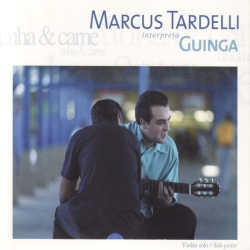
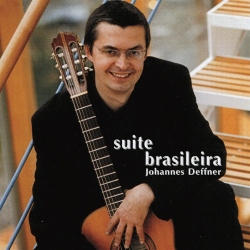
Copyright Ⓒ 2013 Davinci Finger. All rights reseved
Service Terms & Policy