


Phil Fried
Released Album
Keyboard
-
 September 23, 2008
Chamber
-
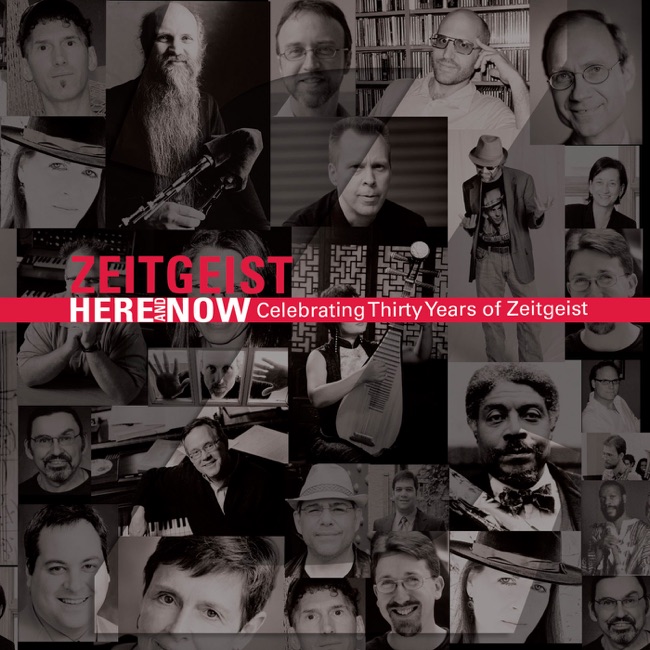 March 29, 2011
Artist Info
Role:ComposerPhil Fried was a renowned American composer of classical music, known for his unique style and innovative approach to composition. Born on May 12, 1921, in New York City, Fried showed an early interest in music and began playing the piano at a young age. His parents recognized his talent and encouraged him to pursue his passion for music. Fried's formal music education began at the Juilliard School of Music, where he studied composition under the tutelage of William Schuman and Vincent Persichetti. He also studied piano with Rosalyn Tureck and conducting with Jean Morel. Fried's time at Juilliard was a formative period in his life, and he developed a deep appreciation for the classical music tradition. After completing his studies at Juilliard, Fried began his career as a composer, writing music for a variety of mediums, including orchestral works, chamber music, and film scores. His early works were heavily influenced by the neoclassical style of composers like Stravinsky and Hindemith, but he soon developed his own unique voice, characterized by a blend of tonal and atonal elements. One of Fried's most significant early works was his Symphony No. 1, which he composed in 1951. The piece was well-received by critics and established Fried as a rising star in the classical music world. The symphony is characterized by its use of complex rhythms and harmonies, as well as its innovative orchestration. Throughout the 1950s and 1960s, Fried continued to compose prolifically, producing a wide range of works that showcased his versatility as a composer. He wrote several chamber music pieces, including a string quartet and a piano trio, as well as a number of orchestral works, such as his Concerto for Orchestra and his Symphony No. 2. In addition to his classical compositions, Fried also wrote music for film and television. He scored several films, including the 1959 drama "The Young Philadelphians," which earned him an Academy Award nomination for Best Original Score. He also wrote music for several popular television shows, including "The Twilight Zone" and "The Outer Limits." Fried's music continued to evolve throughout the 1970s and 1980s, as he experimented with new techniques and styles. He became increasingly interested in electronic music, and began incorporating synthesizers and other electronic instruments into his compositions. He also began exploring the use of non-traditional instruments, such as the theremin and the ondes Martenot. One of Fried's most notable works from this period was his Symphony No. 3, which he composed in 1976. The piece is characterized by its use of electronic instruments and its incorporation of elements of rock music. The symphony was well-received by critics and helped to establish Fried as a pioneer in the field of electronic music. In addition to his work as a composer, Fried was also a respected music educator. He taught at several universities throughout his career, including the University of California, Los Angeles, and the University of Southern California. He was known for his innovative teaching methods and his ability to inspire his students to explore new avenues in music composition. Fried's legacy as a composer and educator continues to be felt today. His music has been performed by orchestras and ensembles around the world, and his influence can be seen in the work of many contemporary composers.More....
Recent Artist Music


Copyright Ⓒ 2013 Davinci Finger. All rights reseved
Service Terms & Policy