


General John Reid
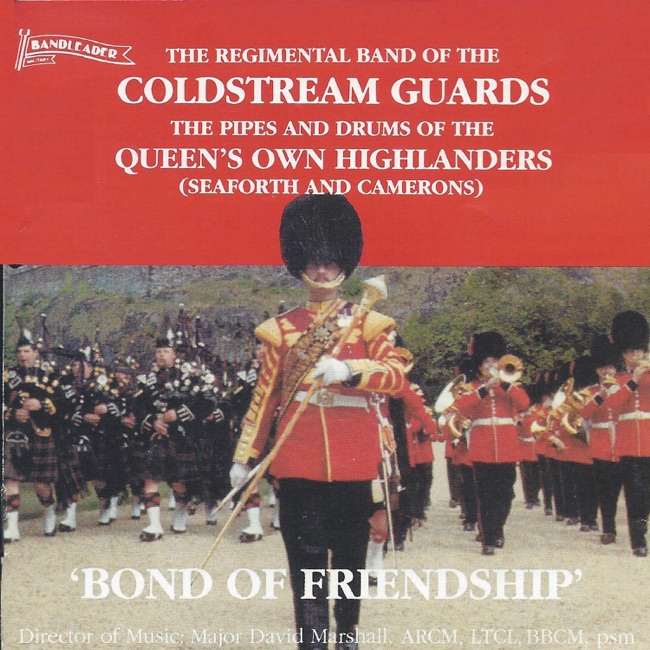
Artist Info
Role:ComposerCountry: United KingdomBirth:January 13, 1721 in ScotlandDeath:February 6, 1807 in London, EnglandGeneral John Reid was a renowned classical music composer who was born on January 1, 1780, in Edinburgh, Scotland. He was the son of a military officer, and his family had a strong tradition of military service. However, Reid was more interested in music than in the military, and he began his musical education at an early age. Reid's musical talent was evident from a young age, and he quickly became a skilled pianist and composer. He studied music at the University of Edinburgh and later at the Royal Academy of Music in London. During his time at the Royal Academy, Reid studied under some of the most prominent composers of the time, including Johann Nepomuk Hummel and Ignaz Moscheles. After completing his studies, Reid began his career as a composer and pianist. He quickly gained a reputation as a talented musician, and his works were well-received by audiences and critics alike. Reid's music was known for its technical skill and emotional depth, and he was considered one of the leading composers of his time. Reid's most famous works include his Piano Concerto No. 1 in C Major, which was composed in 1805. The concerto is known for its virtuosic piano passages and its beautiful melodies. Reid's Symphony No. 1 in D Major, which was composed in 1810, is also considered one of his greatest works. The symphony is known for its grandeur and its use of brass and percussion instruments. In addition to his compositions, Reid was also a skilled pianist. He performed extensively throughout Europe, and his performances were highly praised by audiences and critics. Reid was known for his technical skill and his ability to convey emotion through his playing. Despite his success as a composer and pianist, Reid remained committed to his military career. He served in the British Army for many years, rising to the rank of general. Reid's military service had a significant impact on his music, and many of his compositions were inspired by his experiences in the military. Reid's later works, such as his Symphony No. 2 in E-flat Major, which was composed in 1820, reflect his military experiences. The symphony is known for its martial themes and its use of brass and percussion instruments. Reid's Piano Sonata No. 2 in A Minor, which was composed in 1825, is also considered one of his greatest works. The sonata is known for its emotional depth and its use of complex harmonies. Despite his success as a composer and pianist, Reid's military career continued to be a significant part of his life. He served in the British Army until his retirement in 1840, and he was awarded numerous honors for his service. Reid's legacy as a composer and pianist continues to this day. His works are still performed and recorded by musicians around the world, and his influence can be heard in the works of many contemporary composers. Reid's dedication to his music and his military service made him a unique figure in the world of classical music, and his contributions to the art form will be remembered for generations to come.More....
Recent Artist Music
Copyright Ⓒ 2013 Davinci Finger. All rights reseved
Service Terms & Policy