


Maurizio Cazzati
Released Album
Chamber
-
-
 April 7, 2017
 -
 October 20, 2016
 -
-
 October 30, 2015
 -
 September 1, 2013
Vocal
-
-
 August 31, 2010
 -
 September 27, 2005
 -
 March 1, 2004
 -
 September 18, 2001
Choral

Artist Info
Role:ComposerCountry: ItalyBirth:March, 1616 in Luzzara, ItalyDeath:September 28, 1678 in Mantua, Lombardia, ItalyPeriod:BaroqueGenre:ChamberOperaMaurizio Cazzati was a prominent Italian composer of the Baroque era, born in Luzzara, Italy in 1616. He was the son of a musician and grew up in a musical family, which likely influenced his early interest in music. Cazzati began his musical education as a choirboy in the cathedral of Mantua, where he received training in singing and music theory. After completing his education, Cazzati began his career as a musician in the service of the Gonzaga family, who were patrons of the arts in Mantua. He worked as a singer and instrumentalist in the court chapel, and also composed music for various occasions, including weddings and religious ceremonies. In 1641, Cazzati was appointed maestro di cappella at the church of San Petronio in Bologna, where he remained for the rest of his career. As maestro di cappella, Cazzati was responsible for directing the music at the church, which included composing new works and training the choir and instrumentalists. He was highly regarded for his skills as a composer and conductor, and his music was widely performed and admired throughout Italy. Cazzati was also a prolific composer, producing a large body of work that included sacred and secular music, as well as instrumental pieces. One of Cazzati's most famous works is his Missa Concertata, which was composed in 1657. This piece is a setting of the Mass for four voices and instruments, and is notable for its use of instrumental accompaniment, which was a relatively new technique at the time. The Missa Concertata was highly influential in the development of the Baroque style, and was widely imitated by other composers. Cazzati also composed a number of instrumental works, including sonatas and canzonas for various instruments. His Sonata a 5 in D Major is a particularly notable example of his instrumental music, and is considered one of the finest examples of the sonata form from the Baroque era. This piece features a lively and intricate interplay between the different instruments, and showcases Cazzati's skill as a composer and arranger. In addition to his work as a composer, Cazzati was also a respected music theorist and teacher. He wrote several treatises on music theory and composition, including the influential Le Istitutioni Harmoniche, which was published in 1659. This work provided a comprehensive overview of the principles of music theory and composition, and was widely used as a textbook in music schools throughout Italy. Cazzati's legacy as a composer and musician has endured to the present day, and his music continues to be performed and studied by musicians and scholars around the world. His contributions to the development of the Baroque style, particularly in the use of instrumental accompaniment, have had a lasting impact on the history of classical music.More....
Recent Artist Music
2
6:17
10
3:44
11
1:34
13
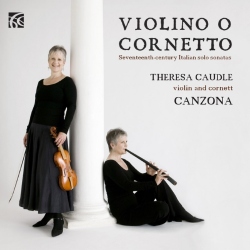
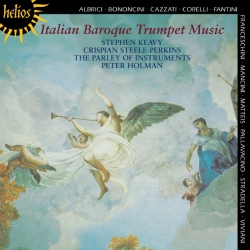
Sonata for trumpet & continuo, No. 1 in D minor, Op. 55 "La Pellicana"
Sonata Prima "La Pellicana" (Opus 55 1670)
4:30
Copyright Ⓒ 2013 Davinci Finger. All rights reseved
Service Terms & Policy