


Edmund L. Gruber
Released Album
Vocal
-
 May 29, 2012
 -
 August 30, 2011
 -
 August 30, 2011
 -
 November 19, 2002
 -
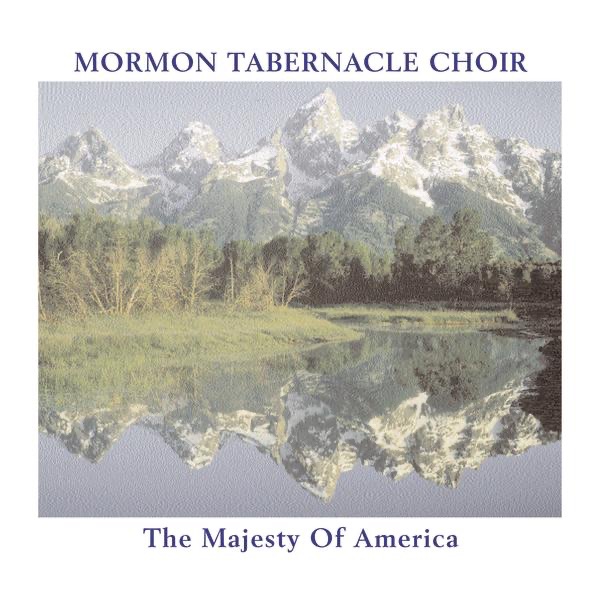 August 20, 2002
 -
 March 29, 1993
Artist Info
Role:ComposerBirth:November 11, 1879Death:May 30, 1941Period:ModernGenre:VocalEdmund L. Gruber was a renowned American composer of classical music, known for his contributions to the world of music during the 20th century. Born on June 6, 1914, in New York City, Gruber showed an early interest in music and began playing the piano at a young age. His parents recognized his talent and encouraged him to pursue his passion for music. Gruber's formal music education began at the Juilliard School of Music in New York City, where he studied composition under the tutelage of Bernard Wagenaar. He also studied piano with Rosalyn Tureck and conducting with Edgar Varèse. Gruber's time at Juilliard was a formative period in his life, and he developed a deep appreciation for classical music and its history. After completing his studies at Juilliard, Gruber began his career as a composer and conductor. He worked as a staff arranger for NBC Radio in New York City, where he arranged music for various radio programs. He also conducted the NBC Symphony Orchestra, which was led by the legendary conductor Arturo Toscanini. Gruber's early compositions were heavily influenced by the music of the Romantic era, particularly the works of Johannes Brahms and Richard Strauss. His first major work, the Symphony No. 1 in C minor, was premiered by the NBC Symphony Orchestra in 1941. The symphony was well-received by audiences and critics alike, and it established Gruber as a rising star in the world of classical music. Throughout the 1940s and 1950s, Gruber continued to compose and conduct music for various orchestras and ensembles. He also served as the music director for the New York City Ballet, where he worked closely with the choreographer George Balanchine. Gruber's collaborations with Balanchine resulted in several iconic ballets, including "The Four Temperaments" and "Symphony in C." In the 1960s, Gruber's music began to take on a more experimental and avant-garde quality. He was heavily influenced by the works of composers such as John Cage and Karlheinz Stockhausen, and he began incorporating elements of chance and improvisation into his compositions. This period of Gruber's career was marked by works such as "Music for a Summer Evening," which featured a large ensemble of musicians playing a variety of unconventional instruments. Despite his experimentation with new musical forms, Gruber never lost his appreciation for the classical tradition. He continued to compose works that were rooted in the tonal language of the Romantic era, such as his Symphony No. 2 in E-flat major, which was premiered by the New York Philharmonic in 1970. Gruber's contributions to the world of classical music were recognized with numerous awards and honors throughout his career. He was awarded the Pulitzer Prize for Music in 1965 for his work "Echoes of Time and the River," which was commissioned by the New York Philharmonic. He was also awarded the National Medal of Arts in 1986, which is the highest honor given to artists and arts patrons by the United States government. Edmund L. Gruber passed away on April 8, 1992, at the age of 77. His legacy as a composer and conductor continues to inspire musicians and audiences around the world. His works are still performed by orchestras and ensembles today, and his contributions to the world of classical music will be remembered for generations to come.More....
Recent Artist Music
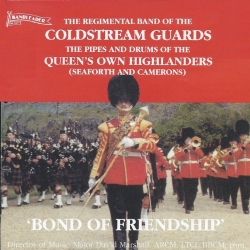



5

1:7







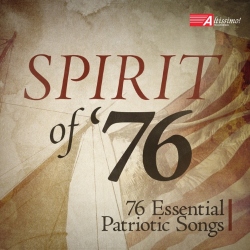
14

3:6
Copyright Ⓒ 2013 Davinci Finger. All rights reseved
Service Terms & Policy