


Herbert Baumann
Released Album
Chamber
-
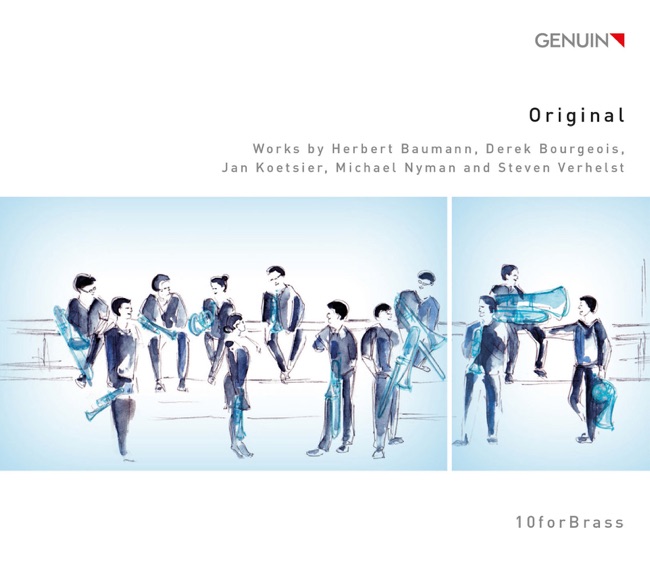 June 9, 2015
 -
 January 1, 1997
 -
 December 1, 1995
 -
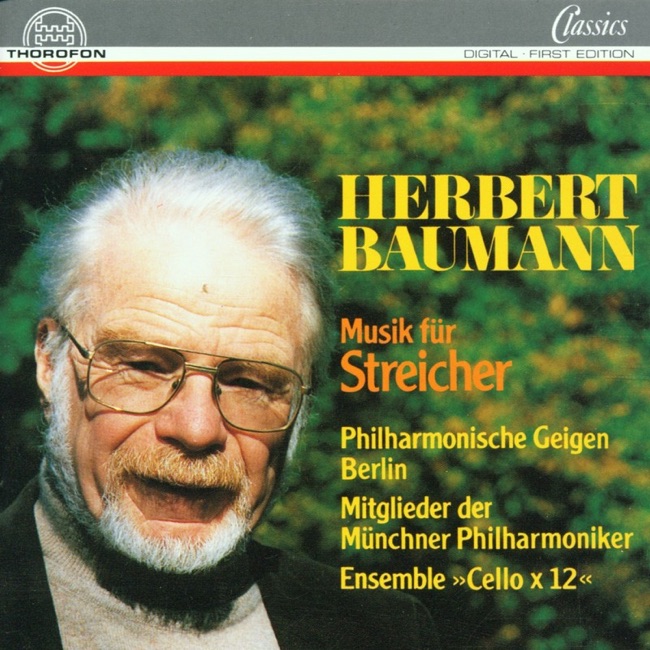 November 21, 1995
 -
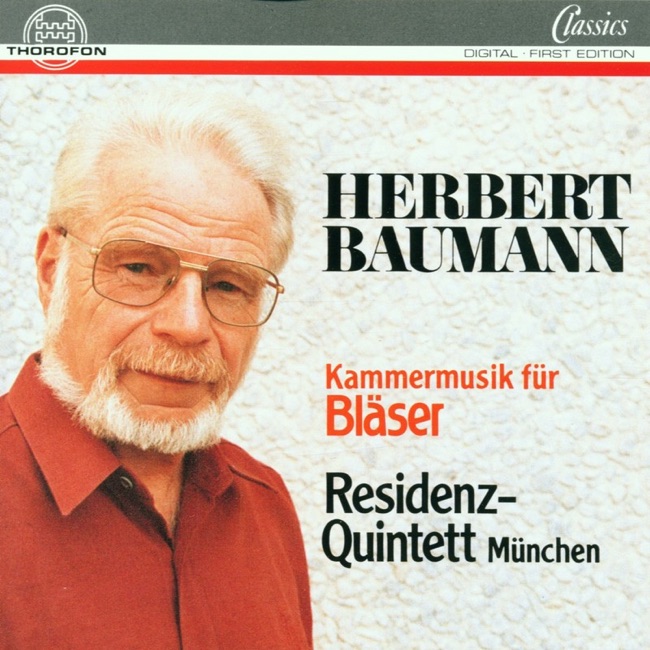 December, 1993
Orchestral
-
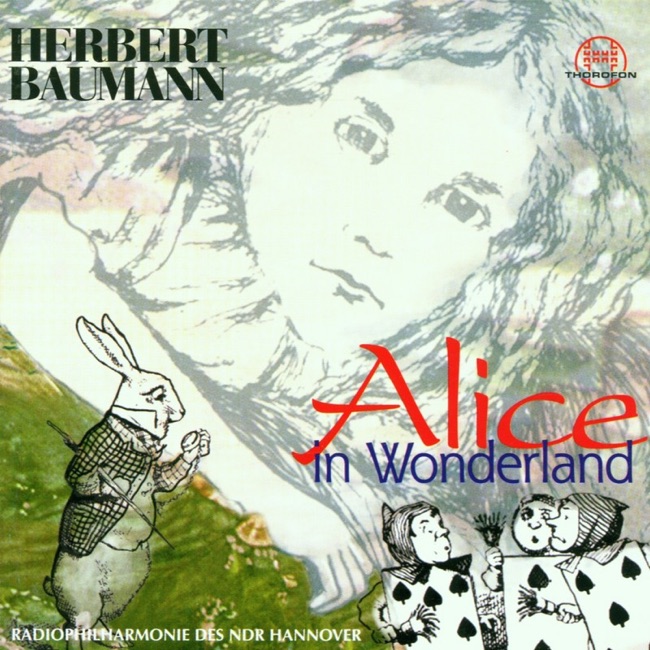 August, 1998
Concerto
-
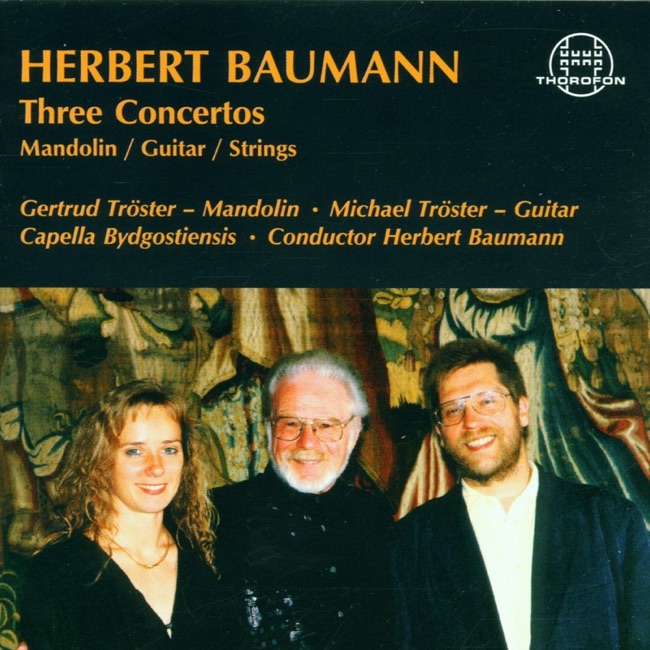 September 30, 2000
 -
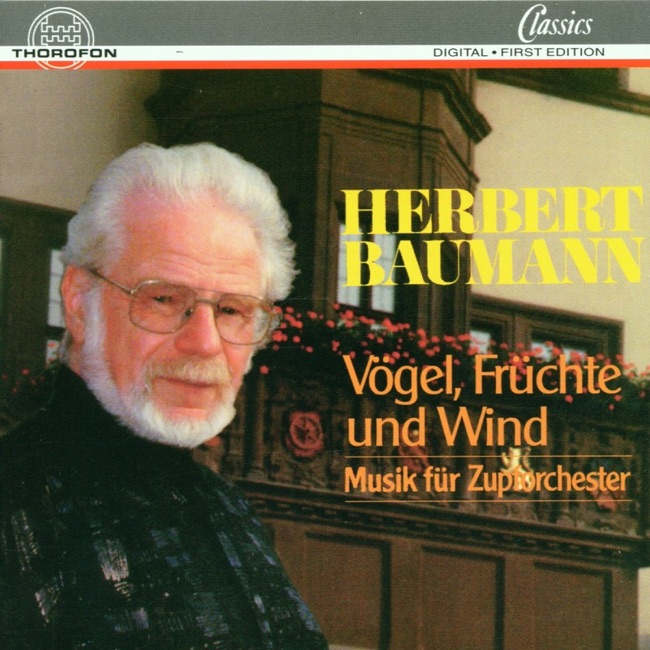
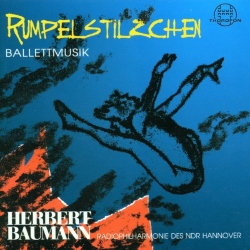
Ballet
-
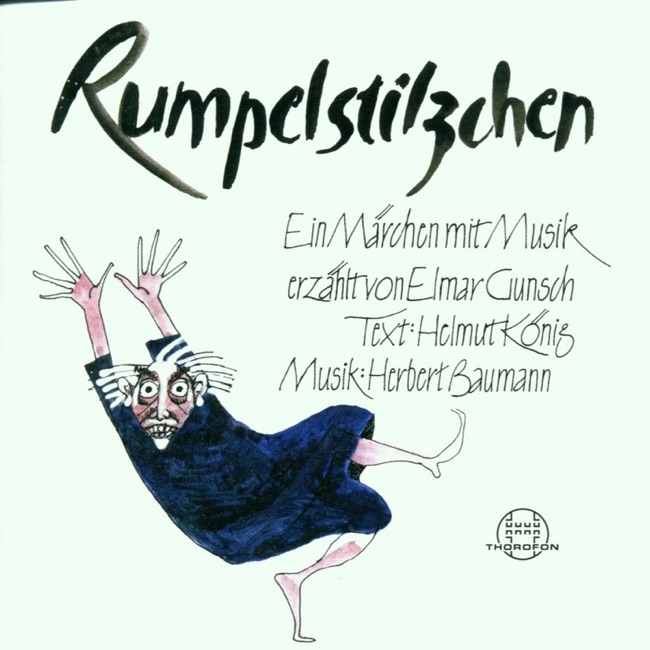 August 19, 2008
 -
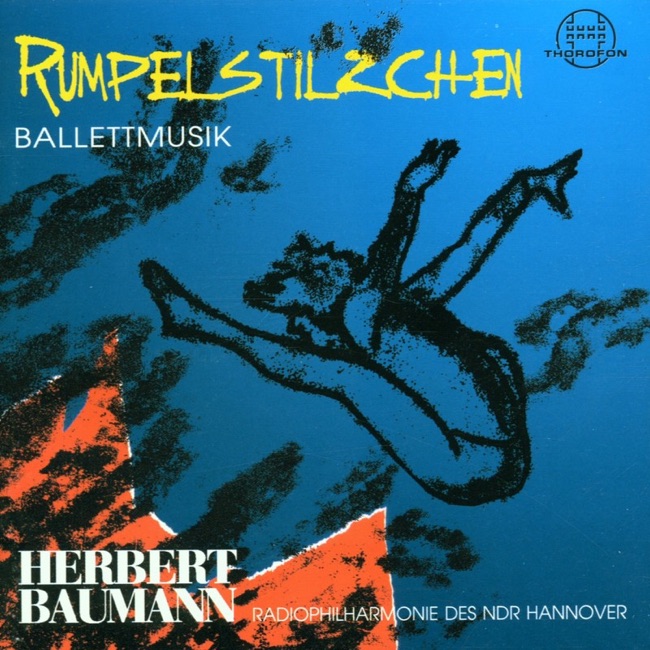 April, 1999
Artist Info
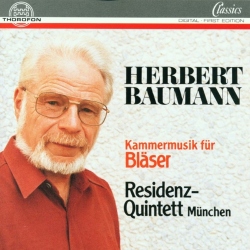
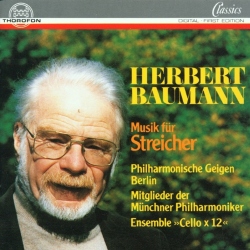
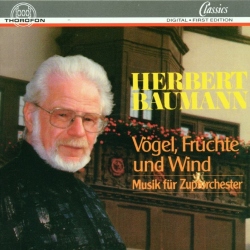
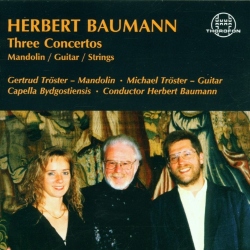
Role:Composer ConductorCountry: GermanyBirth:July 31, 1925 in Berlin, GermanyPeriod:ContemporaryModernGenre:ChamberConcertoHerbert Baumann was a German composer and conductor who was born on August 28, 1930, in the city of Berlin. He was the son of a music teacher and grew up in a family that was deeply involved in music. From a young age, Baumann showed a great interest in music and began playing the piano at the age of six. He later learned to play the violin and the trumpet, and by the time he was a teenager, he was already composing his own music. Baumann studied music at the Hochschule für Musik in Berlin, where he was trained in composition, conducting, and music theory. He also studied with some of the most prominent composers of the time, including Boris Blacher and Ernst Pepping. After completing his studies, Baumann began his career as a conductor, working with various orchestras in Germany and other parts of Europe. Baumann's early compositions were heavily influenced by the music of the Second Viennese School, particularly the works of Arnold Schoenberg and Anton Webern. However, he soon developed his own unique style, which was characterized by a blend of tonal and atonal elements. His music was often complex and challenging, but it was also highly expressive and emotional. One of Baumann's most significant works is his Symphony No. 1, which he composed in 1958. The symphony is a large-scale work that is divided into four movements. It is characterized by its use of complex rhythms and harmonies, as well as its dramatic contrasts between loud and soft passages. The symphony was well-received by critics and helped establish Baumann as a major figure in the world of contemporary classical music. In addition to his work as a composer, Baumann was also a highly respected conductor. He worked with many of the world's leading orchestras, including the Berlin Philharmonic, the Vienna Philharmonic, and the London Symphony Orchestra. He was known for his meticulous attention to detail and his ability to bring out the best in his musicians. Baumann's later works were more experimental and avant-garde in nature. He began incorporating electronic music into his compositions, and he also experimented with new forms of notation and performance. One of his most notable works from this period is his String Quartet No. 3, which he composed in 1972. The quartet is a highly abstract work that is characterized by its use of extended techniques and unconventional notation. Baumann continued to compose and conduct music throughout his life, and he remained an important figure in the world of contemporary classical music until his death in 1999. His legacy lives on through his many compositions and recordings, which continue to inspire and challenge musicians and audiences alike.More....
Recent Artist Music
4
59
9
2:
Copyright Ⓒ 2013 Davinci Finger. All rights reseved
Service Terms & Policy