


Juan Bermudo
Artist Info
Role:ComposerGenre:KeyboardJuan Bermudo was a Spanish composer, music theorist, and priest who lived during the Renaissance period. He was born in 1510 in the town of Écija, located in the province of Seville, Spain. Not much is known about his early life, but it is believed that he received his musical education at the Cathedral of Seville, where he later became a priest. Bermudo was a prolific composer, and his works include both sacred and secular music. He is best known for his treatises on music theory, which were widely read and influential during his time. His most famous work is the "Declaración de instrumentos musicales," which was published in 1555 and is considered one of the most important treatises on music theory from the Renaissance period. In addition to his treatises, Bermudo also composed a number of works for the church, including masses, motets, and hymns. His sacred music is characterized by its simple, yet elegant melodies and its use of polyphony, a technique in which multiple voices sing different melodies at the same time. One of Bermudo's most famous works is his "Missa de Beata Virgine," which is a setting of the Catholic Mass that was composed in honor of the Virgin Mary. The work is notable for its use of polyphony and its intricate harmonies, which create a rich and complex sound. Bermudo also composed a number of secular works, including villancicos, which were popular songs that were often sung during festivals and celebrations. His villancicos are known for their catchy melodies and their use of Spanish folk rhythms and melodies. Despite his many accomplishments as a composer and music theorist, Bermudo's life was not without its challenges. In 1559, he was accused of heresy by the Inquisition, which was a powerful institution in Spain at the time. The charges against him were related to his views on music theory, which were seen as being too radical by some members of the church. Bermudo was eventually cleared of the charges against him, but the experience left a lasting impact on him. He became more cautious in his writings and compositions, and he focused more on his work as a priest. Despite these challenges, Bermudo continued to compose and write about music theory until his death in 1565. His legacy as a composer and music theorist has endured to this day, and his works continue to be studied and performed by musicians around the world.More....
Recent Artist Music
1
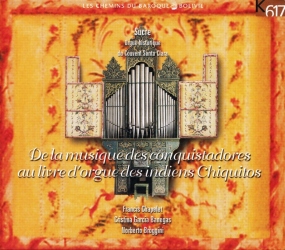
1:12
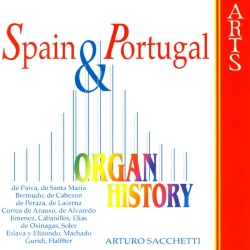
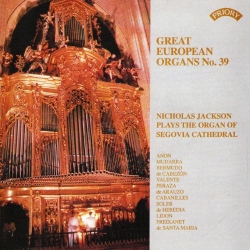
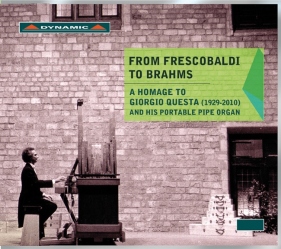
Copyright Ⓒ 2013 Davinci Finger. All rights reseved
Service Terms & Policy