


Norman Cocker
Released Album
Keyboard
-
 July 29, 2022
 -
 May 12, 2017
 -
 June 8, 2010
 -
-
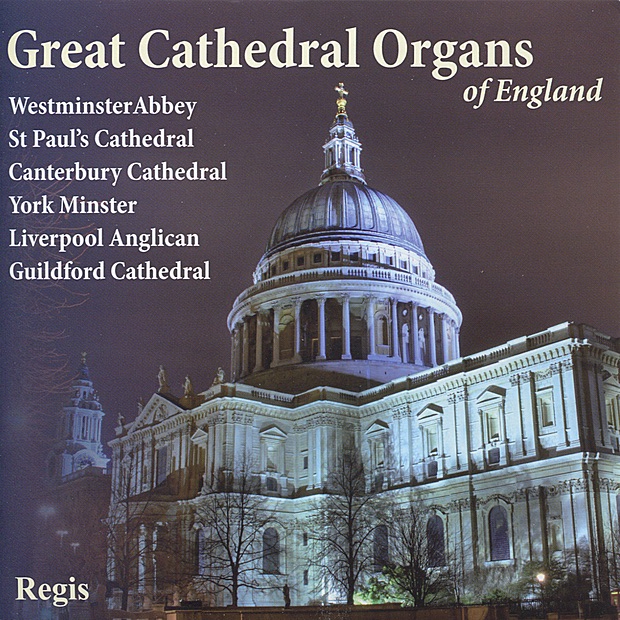 June 30, 2009
 -
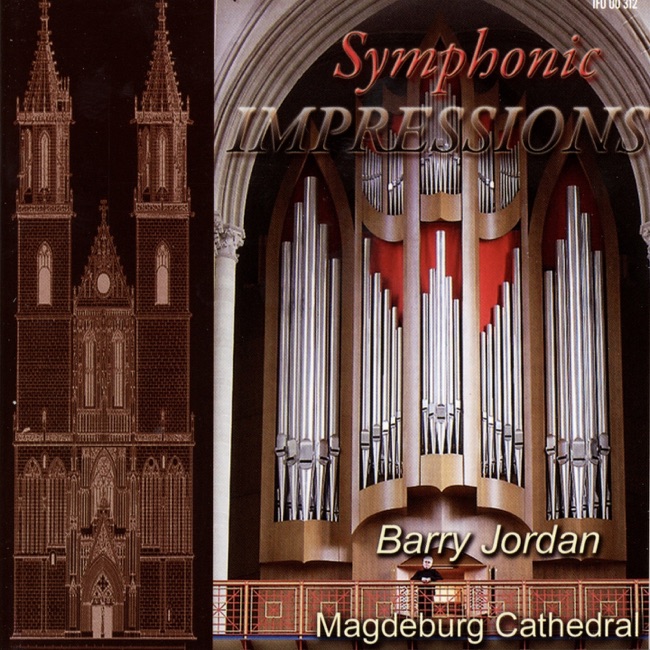 September 1, 2008
Artist Info
Role:ComposerBirth:1889Death:1953Period:RomanticGenre:ChamberKeyboardNorman Cocker was a British composer and organist who was born on 3 April 1889 in Manchester, England. He was the youngest of six children and grew up in a musical family. His father was a church organist, and his mother was a singer. Cocker showed an early interest in music and began playing the piano at the age of four. He later learned to play the organ and became a chorister at Manchester Cathedral. Cocker studied at the Royal Manchester College of Music, where he was a pupil of Charles Hallé and Frederic Cowen. He won several prizes for his compositions and was awarded a scholarship to study in Paris. While in Paris, he studied with Charles-Marie Widor and Louis Vierne, two of the leading organists and composers of the time. After returning to England, Cocker became the organist at St. Helen's Church in Bishopsgate, London. He later held positions at several other churches, including St. Michael's Church in Cornhill and St. Lawrence Jewry. He also worked as a music teacher and was a professor of organ at the Royal Academy of Music. Cocker's compositions include works for organ, choir, and orchestra. He is best known for his organ music, which is characterized by its virtuosity and colorful harmonies. His most famous work is the Tuba Tune, which was written in 1924 and has become a staple of the organ repertoire. The piece is a lively and joyful work that showcases the power and versatility of the organ. Cocker's other works for organ include the Prelude on a Welsh Hymn Tune, which is based on the hymn tune "Cwm Rhondda," and the Scherzo, which is a playful and energetic piece. He also wrote several works for choir, including the anthem "God is Our Hope and Strength" and the carol "Lo, in the Time Appointed." In addition to his compositions, Cocker was also a skilled improviser. He was known for his ability to improvise on hymn tunes and other themes, and his improvisations were often compared to the works of the great French organists. Cocker's career was cut short by his untimely death in 1953 at the age of 64. He had been scheduled to perform a recital at St. Paul's Cathedral in London, but he collapsed and died before the concert could take place. His legacy lives on through his music, which continues to be performed and enjoyed by organists and music lovers around the world.More....
Copyright Ⓒ 2013 Davinci Finger. All rights reseved
Service Terms & Policy