


Sverre Bergh
Released Album
Keyboard
-
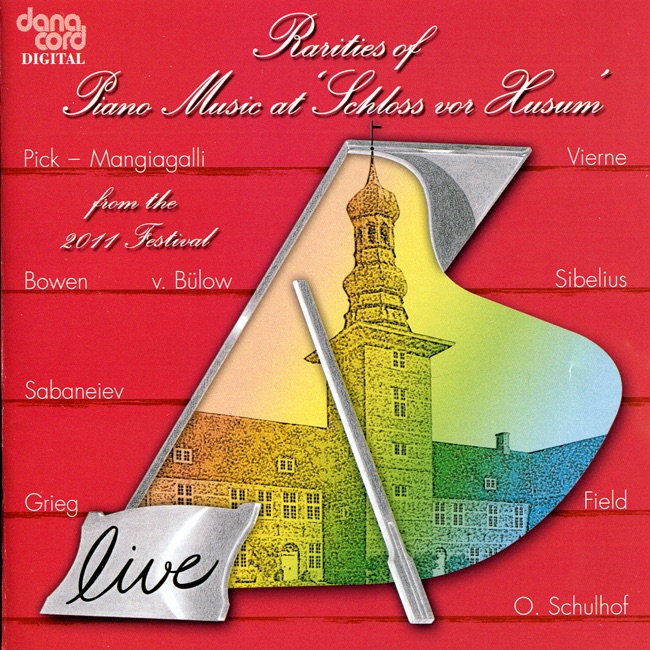 September 26, 2012
 -
 May 7, 2007
Artist Info
Role:ComposerBirth:1915Death:1980Genre:ChamberChoralSverre Bergh was a Norwegian composer and pianist who was born on August 17, 1913, in Oslo, Norway. He was the son of a music teacher and grew up in a musical family. His father, Sigurd Bergh, was a composer and conductor, and his mother, Ingeborg Bergh, was a pianist. Sverre Bergh showed an early interest in music and began playing the piano at a young age. Bergh studied music at the Oslo Conservatory of Music, where he was a student of the composer and pianist Bjarne Brustad. He also studied with the composer and conductor Olav Kielland. Bergh was a talented pianist and won several awards for his performances, including the prestigious Grieg Prize in 1935. In addition to his piano studies, Bergh also began composing music. His early works were influenced by the Norwegian folk music tradition and the music of Edvard Grieg. Bergh's first major composition was his Piano Concerto, which he wrote in 1936. The concerto was well-received and helped establish Bergh as a composer to watch. Bergh continued to compose throughout the 1930s and 1940s, and his music began to show the influence of modernist composers such as Igor Stravinsky and Arnold Schoenberg. Bergh's music was characterized by its rhythmic complexity and use of dissonance. His works from this period include the String Quartet No. 1 (1940) and the Symphony No. 1 (1942). During World War II, Bergh was active in the Norwegian resistance movement. He worked as a courier and helped smuggle people and supplies out of Norway. Bergh's experiences during the war had a profound impact on his music, and he began to incorporate themes of struggle and resistance into his compositions. After the war, Bergh continued to compose and perform. He was appointed professor of composition at the Oslo Conservatory of Music in 1950, a position he held until his retirement in 1983. Bergh's later works were more tonal and lyrical than his earlier compositions, and he continued to draw on Norwegian folk music and mythology for inspiration. Bergh's most famous work is his opera, "The Fisherman and His Wife," which he wrote in 1958. The opera is based on the fairy tale of the same name by the Brothers Grimm and tells the story of a fisherman who catches a magical fish that grants his wife's wishes. The opera was a critical and commercial success and has been performed in Norway and abroad. Bergh's other notable works include the Piano Sonata No. 2 (1950), the Symphony No. 2 (1954), and the String Quartet No. 2 (1960). Bergh was awarded the King's Medal of Merit in gold in 1973 for his contributions to Norwegian music. Sverre Bergh died on December 22, 1980, in Oslo, Norway. He is remembered as one of Norway's most important composers of the 20th century, and his music continues to be performed and recorded today.More....
Copyright Ⓒ 2013 Davinci Finger. All rights reseved
Service Terms & Policy