


Leokadiya Kashperova
Released Album
Keyboard
-
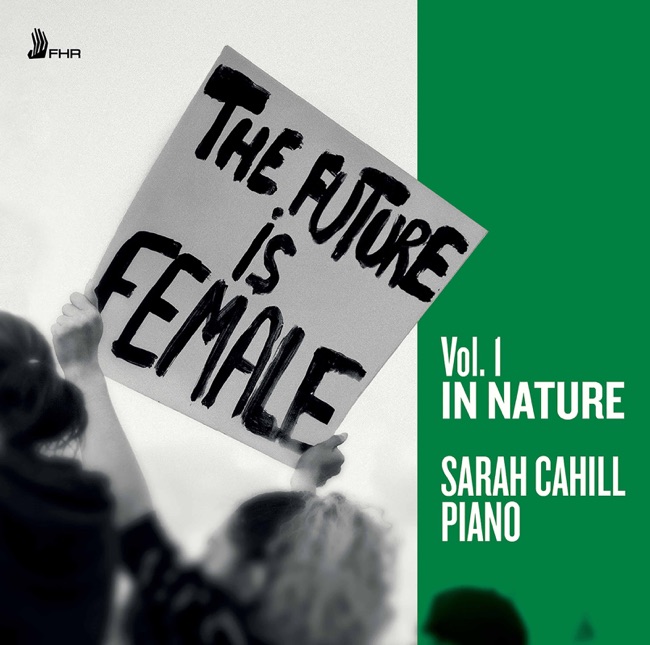 March 18, 2022
 -
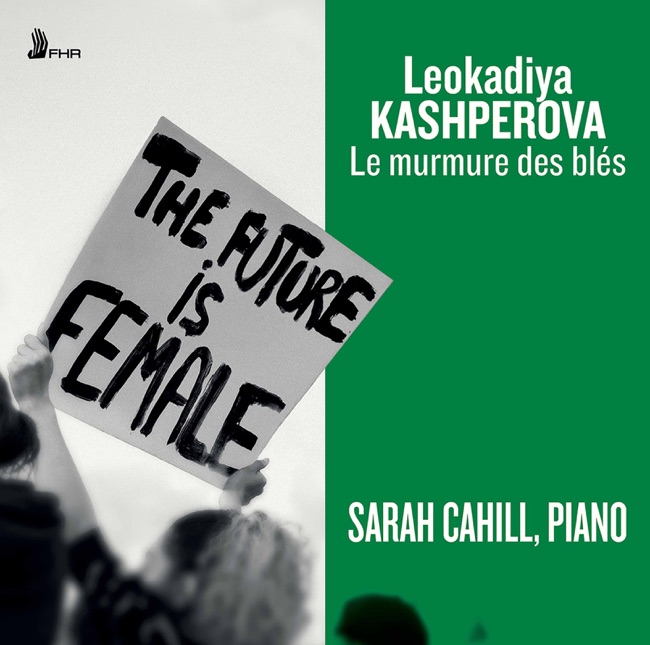 February 4, 2022
Artist Info
Role:ComposerBirth:1872Death:1940Leokadiya Kashperova was a prominent Russian composer, pianist, and music educator who lived from 1872 to 1940. She was born in Kiev, Ukraine, to a family of musicians. Her father, Nikolai Kashperov, was a composer and conductor, and her mother, Maria Kashperova, was a pianist and music teacher. Leokadiya showed an early interest in music and began studying piano with her mother at the age of four. In 1883, when Leokadiya was eleven years old, her family moved to St. Petersburg, where she continued her musical education. She studied piano with Anna Yesipova, a renowned pianist and teacher, and composition with Nikolai Rimsky-Korsakov, one of the most prominent composers of the time. Rimsky-Korsakov recognized Leokadiya's talent and encouraged her to pursue a career in music. In 1890, Leokadiya graduated from the St. Petersburg Conservatory with a degree in piano performance. She continued her studies at the conservatory, focusing on composition and orchestration. In 1892, she premiered her first composition, a piano trio, at a concert in St. Petersburg. The piece was well-received, and Leokadiya began to establish herself as a composer. Over the next few years, Leokadiya continued to compose and perform. She wrote music for piano, chamber ensembles, and orchestra, and her works were performed in St. Petersburg and other cities in Russia. In 1896, she married the composer and music critic Nikolai Sokolov, and the couple had two children. In 1901, Leokadiya became a professor of piano at the St. Petersburg Conservatory, where she taught for over thirty years. She was one of the first female professors at the conservatory and was highly respected by her colleagues and students. Many of her students went on to become successful musicians and teachers themselves. Leokadiya's compositions during this period were influenced by the Russian nationalist movement, which sought to promote Russian culture and traditions through music. Her works often featured folk melodies and rhythms, as well as elements of Russian Orthodox church music. Some of her most notable compositions from this period include the Piano Sonata in C minor, the String Quartet in D minor, and the orchestral suite "In the Forest." In addition to her work as a composer and teacher, Leokadiya was also an advocate for women's rights in music. She was a member of the Russian Women's Musical Society, which was founded in 1910 to promote the education and professional development of women musicians. She also wrote articles and gave lectures on the subject, arguing that women should have equal opportunities in music education and performance. During the Russian Revolution of 1917, Leokadiya's life was disrupted by the political turmoil. She and her family were forced to flee St. Petersburg and move to the city of Kazan. Despite the upheaval, she continued to compose and perform, and her music was still being played in concerts and recitals. In the 1920s and 1930s, Leokadiya's music began to reflect the changing political and cultural climate in the Soviet Union. She wrote works that celebrated the achievements of the Soviet state and its people, such as the cantata "The Red Army" and the opera "The Builders." She also continued to write music for piano and chamber ensembles, including the Piano Sonata No. 2 and the String Quartet No. 2. Leokadiya Kashperova died in 1940 at the age of 68.More....
Recent Artist Music

Copyright Ⓒ 2013 Davinci Finger. All rights reseved
Service Terms & Policy