


Willard Elliot
Released Album
Choral
-
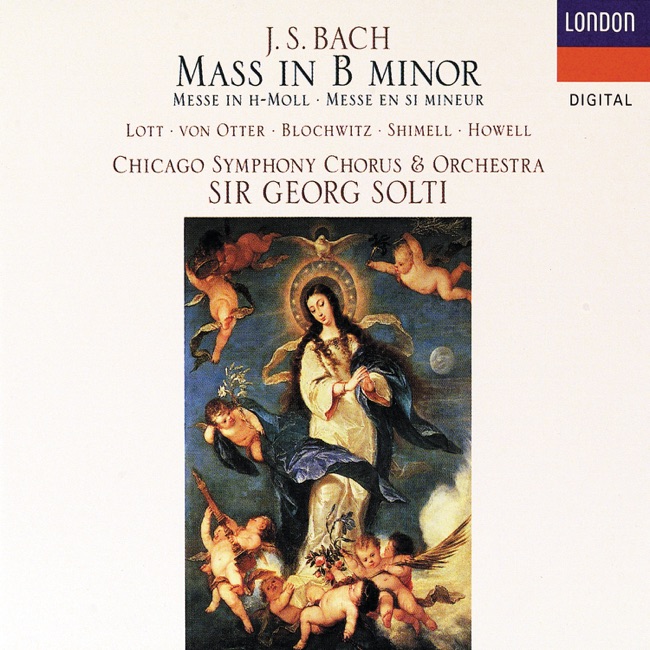 April 5, 1991
Chamber
-
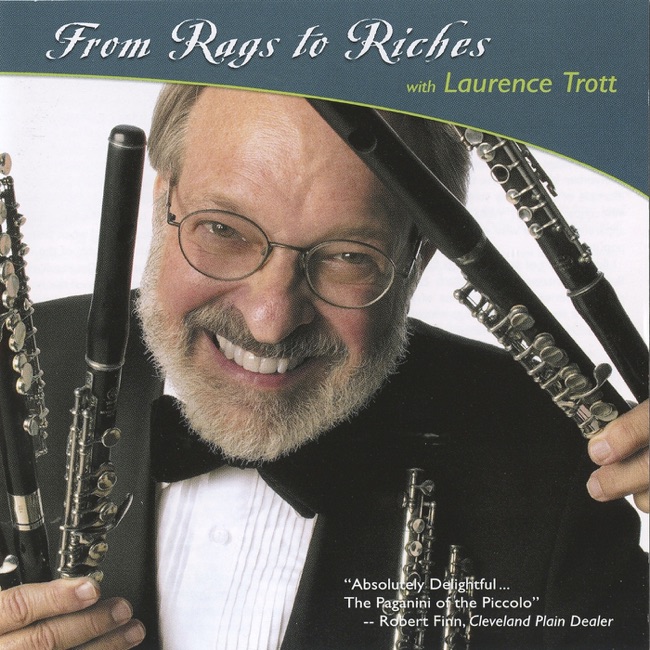 April 25, 2006
Artist Info
Role:ComposerBirth:1926Death:2000Period:RomanticContemporaryModernGenre:ChamberChoralWillard Elliot was an American composer of classical music who was born on May 22, 1928, in New York City. He grew up in a family of musicians, with his father being a violinist and his mother a pianist. From a young age, Elliot showed a keen interest in music and began studying the piano and violin at the age of six. Elliot's musical education continued throughout his childhood and teenage years. He attended the Juilliard School of Music in New York City, where he studied composition with Vincent Persichetti and piano with Rosina Lhévinne. He also studied at the Tanglewood Music Center in Massachusetts, where he worked with Aaron Copland and Leonard Bernstein. Elliot's early compositions were heavily influenced by the neoclassical style of Stravinsky and Hindemith. His first major work, the Symphony No. 1, was premiered in 1952 by the New York Philharmonic under the direction of Dimitri Mitropoulos. The symphony was well-received by critics and established Elliot as a promising young composer. Throughout the 1950s and 1960s, Elliot continued to compose works in a variety of genres, including orchestral music, chamber music, and vocal music. His compositions were characterized by their clarity of form, rhythmic vitality, and use of tonal harmony. One of Elliot's most famous works is the Concerto for Piano and Orchestra, which was premiered in 1961 by the pianist Gary Graffman and the New York Philharmonic under the direction of Leonard Bernstein. The concerto is a virtuosic showcase for the soloist, with a lively and energetic first movement, a lyrical second movement, and a playful and rhythmic third movement. Elliot's music was also influenced by his interest in jazz and popular music. He often incorporated elements of these genres into his compositions, creating a unique and eclectic style. One example of this is his Suite for Jazz Orchestra, which was premiered in 1956 by the NBC Symphony Orchestra under the direction of Arturo Toscanini. In addition to his work as a composer, Elliot was also a respected music educator. He taught at the Juilliard School of Music, the Manhattan School of Music, and the University of California, Los Angeles. He was known for his dedication to his students and his ability to inspire them to reach their full potential. Elliot's later works continued to explore new musical ideas and techniques. His Symphony No. 3, premiered in 1972 by the Boston Symphony Orchestra under the direction of Seiji Ozawa, is a complex and challenging work that incorporates elements of serialism and atonality. Elliot's final work, the String Quartet No. 4, was completed in 1996, just two years before his death. The quartet is a haunting and introspective work that reflects Elliot's lifelong fascination with the expressive power of music. Throughout his career, Willard Elliot was recognized as one of America's most important composers. He received numerous awards and honors, including a Guggenheim Fellowship, a Fulbright Scholarship, and the American Academy of Arts and Letters Music Award. His music continues to be performed and recorded by orchestras and ensembles around the world, ensuring that his legacy as a composer will endure for generations to come.More....
Recent Artist Music

4
5:54
Copyright Ⓒ 2013 Davinci Finger. All rights reseved
Service Terms & Policy