


Erwin Dressel
Released Album
Chamber
-
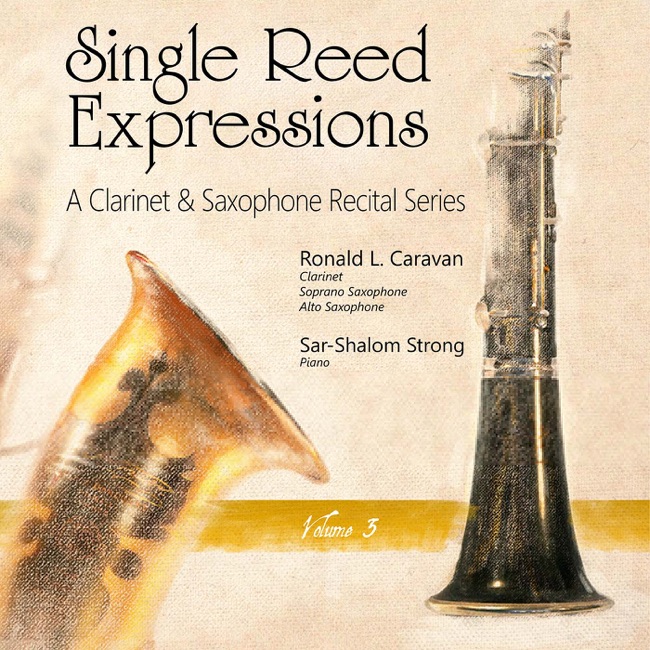 January 6, 2017
 -
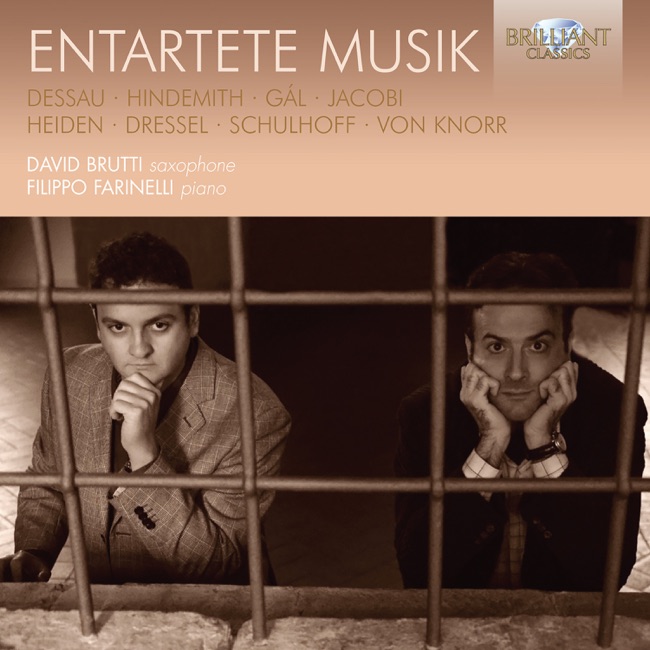 July 21, 2014
 -
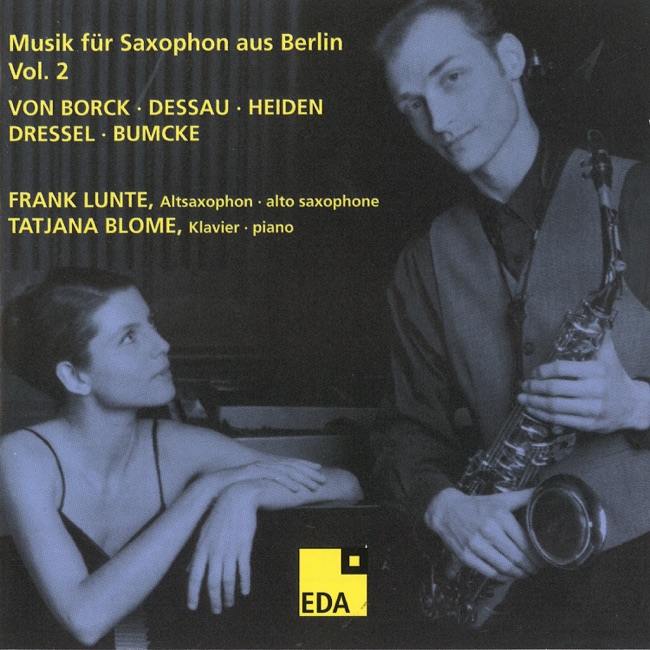 December, 2003
 -
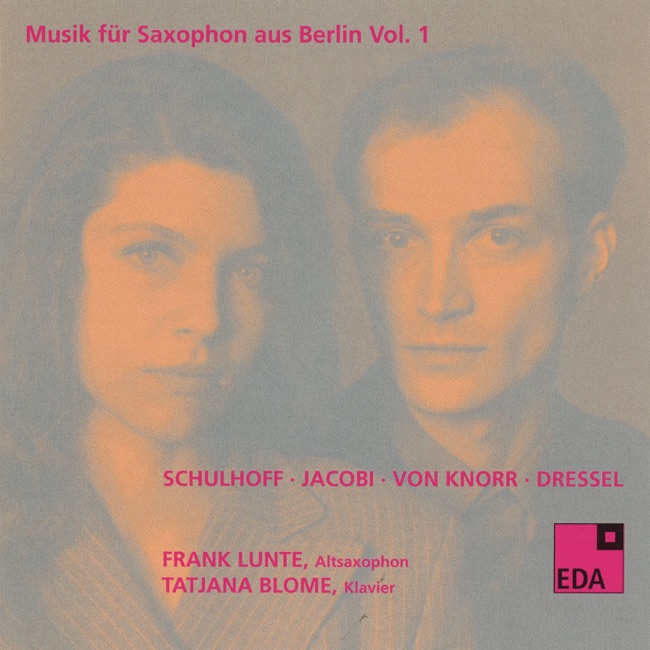 September, 2002
Artist Info
Role:ComposerBirth:1909Death:1972Period:ModernGenre:ChamberErwin Dressel was a German composer born on October 14, 1909, in Nuremberg, Germany. He was the son of a music teacher and grew up in a musical family. Dressel began his musical education at a young age, studying piano and violin with his father. He later attended the Nuremberg Conservatory, where he studied composition with Hermann Zilcher. In 1931, Dressel moved to Berlin to study at the Hochschule für Musik. There, he studied composition with Paul Hindemith and conducting with Fritz Busch. Dressel's time in Berlin was a formative period in his life, as he was exposed to the vibrant cultural scene of the city and met many influential musicians and artists. Dressel's early works were heavily influenced by the music of Hindemith, as well as the neoclassical style that was popular in Germany at the time. His first major composition, the Symphony No. 1, was premiered in 1934 and received critical acclaim. The work showcased Dressel's skill as a composer and his ability to blend traditional forms with modern harmonies and rhythms. During World War II, Dressel served in the German army as a musician. He was stationed in France and Italy, where he continued to compose and perform. After the war, Dressel returned to Germany and settled in Munich. There, he became a professor of composition at the Hochschule für Musik and continued to compose prolifically. Dressel's music from the post-war period reflects his interest in the music of the Baroque era. He was particularly drawn to the music of Johann Sebastian Bach and George Frideric Handel, and his compositions often incorporate elements of their styles. Dressel's works from this period include the Concerto for Flute and Orchestra, the Suite for Strings, and the Sonata for Viola and Piano. In the 1950s and 1960s, Dressel's music became more experimental and avant-garde. He was influenced by the emerging electronic music scene and began incorporating electronic sounds into his compositions. Dressel's works from this period include the Electronic Symphony, the Sound Collage for Orchestra, and the Electronic Quartet. Despite his experimentation with electronic music, Dressel remained committed to traditional forms and structures. He believed that music should be accessible to a wide audience and that composers had a responsibility to communicate with their listeners. Dressel's music is characterized by its clarity and directness, as well as its technical skill and attention to detail. Dressel's later works include the Symphony No. 5, the Concerto for Piano and Orchestra, and the String Quartet No. 3. These works showcase Dressel's continued growth as a composer and his ability to adapt to changing musical styles and trends. Erwin Dressel died on December 22, 1972, in Munich, Germany. He left behind a legacy of innovative and engaging music that continues to be performed and appreciated today. Dressel's contributions to the world of classical music are significant, and his influence can be heard in the works of many contemporary composers.More....
Recent Artist Music
Copyright Ⓒ 2013 Davinci Finger. All rights reseved
Service Terms & Policy