


John Webb
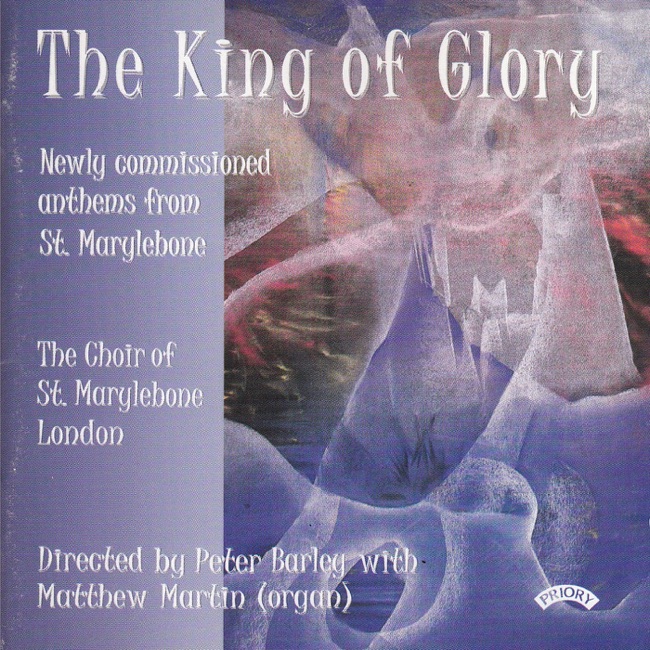
Artist Info
Role:ComposerPeriod:ClassicalRomanticGenre:ConcertoJohn Webb was a British composer of the Baroque era, born in 1611 in Salisbury, England. He was the son of a cathedral organist and was exposed to music from a young age. Webb showed an early aptitude for music and began his formal training as a chorister at Salisbury Cathedral. He later studied at the University of Oxford, where he was a member of the Christ Church choir. After completing his studies, Webb became a musician in the court of King Charles I. He served as a lutenist and composer, and his works were well-received by the royal court. Webb was also a member of the King's Musick, a group of musicians who performed for the king and his court. Webb's compositions were primarily vocal works, including anthems, motets, and hymns. His music was characterized by its intricate harmonies and use of counterpoint. Webb was also known for his skill as a lutenist and wrote several pieces for the instrument. One of Webb's most famous works is his anthem "This is the Record of John." The piece is a setting of a text from the Gospel of John and is known for its complex harmonies and use of chromaticism. The anthem was first performed at the court of King Charles I and has since become a staple of the choral repertoire. Another notable work by Webb is his setting of the hymn "Christ Rising Again." The piece is a joyful celebration of the resurrection of Christ and features intricate vocal lines and a lively accompaniment. The hymn has been performed by choirs around the world and is considered one of Webb's most popular works. In addition to his vocal works, Webb also wrote several pieces for the lute. His "Fantasia" for solo lute is a virtuosic piece that showcases the instrument's capabilities. The piece features intricate fingerwork and complex harmonies, and is considered one of the most challenging pieces in the lute repertoire. Webb's career was cut short by the outbreak of the English Civil War in 1642. He remained loyal to the royalist cause and continued to serve as a musician for King Charles I. However, after the king's execution in 1649, Webb was forced to flee to France. He continued to compose music in exile, but his output was greatly reduced. Webb returned to England after the Restoration of the monarchy in 1660. He resumed his position as a musician in the court of King Charles II, but his health had deteriorated and he was unable to compose as prolifically as he had in his youth. Webb died in 1672 at the age of 61. Despite his relatively short career, John Webb left a lasting legacy in the world of classical music. His intricate vocal works and virtuosic lute pieces continue to be performed and admired by musicians and audiences alike. Webb's contributions to the Baroque era of music helped to shape the course of classical music history, and his legacy lives on today.More....
Copyright Ⓒ 2013 Davinci Finger. All rights reseved
Service Terms & Policy