


W. Eugene Thayer
Released Album
Keyboard
-
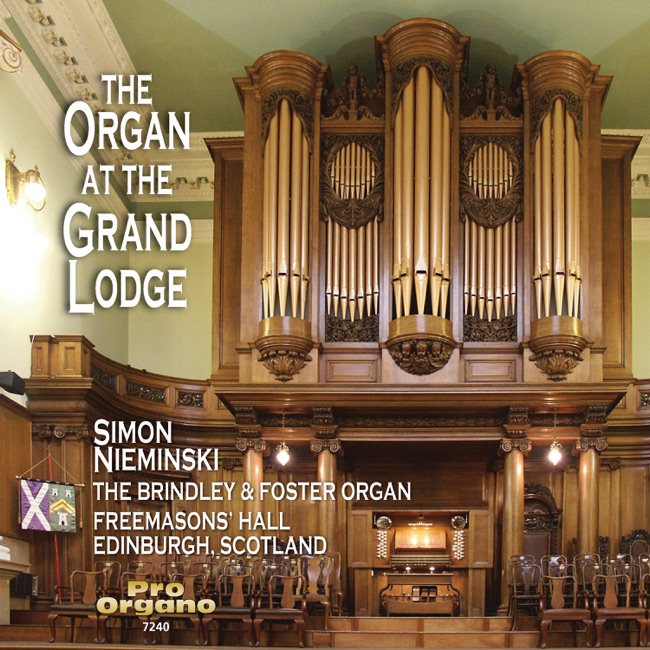 June 8, 2010
 -
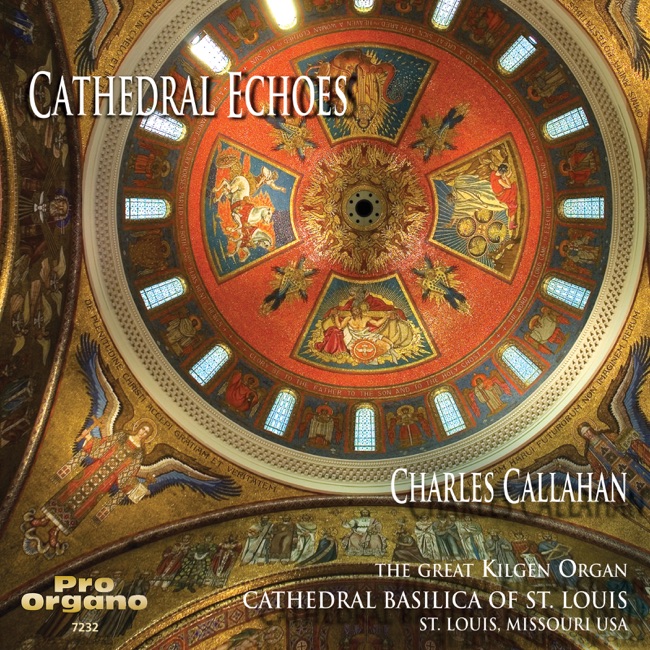 January 13, 2009
 -
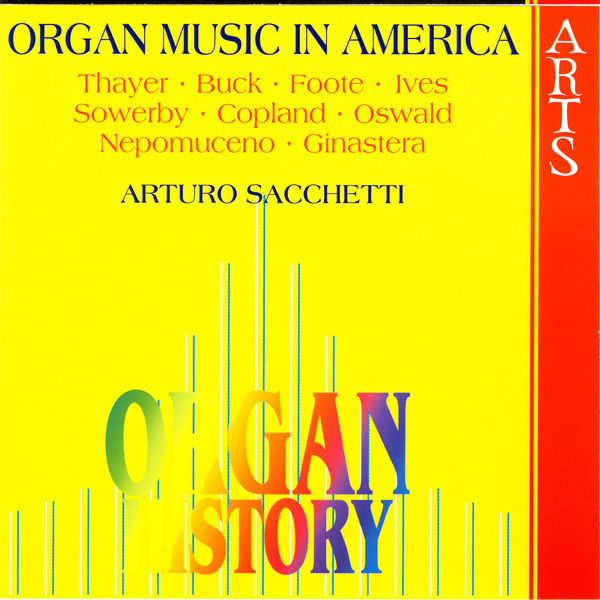 April 15, 1997
 -
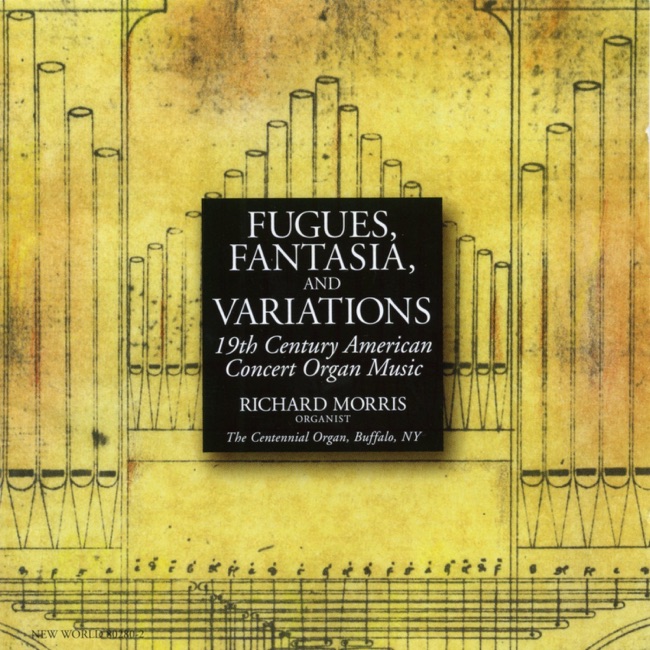 October 6, 1994
Artist Info
Role:ComposerBirth:1839Death:1889Genre:KeyboardW. Eugene Thayer was an American composer and music educator who made significant contributions to the classical music world during the late 19th and early 20th centuries. Born on December 7, 1838, in Mendon, Massachusetts, Thayer was the son of a prominent physician and a mother who was a talented pianist. His early exposure to music and his family's support helped him develop a passion for music that would shape his life and career. Thayer's musical education began at an early age, and he showed great promise as a pianist and composer. He studied with several prominent teachers, including Julius Eichberg and John Knowles Paine, and later attended the Leipzig Conservatory in Germany, where he studied with Carl Reinecke and Ernst Friedrich Richter. Thayer's time in Leipzig was a formative experience, and he was exposed to the works of many great composers, including Bach, Beethoven, and Brahms. After returning to the United States, Thayer began his career as a music educator, teaching at several institutions, including the New England Conservatory of Music and the Boston Conservatory. He was known for his innovative teaching methods and his commitment to promoting classical music in America. Thayer was also a prolific composer, and his works were performed by many of the leading orchestras and ensembles of his time. One of Thayer's most significant works was his Symphony No. 1 in D minor, which was premiered by the Boston Symphony Orchestra in 1882. The symphony was well-received by audiences and critics alike, and it helped establish Thayer as a major figure in American classical music. The symphony is notable for its use of traditional forms and its incorporation of folk melodies, which were a hallmark of Thayer's style. Thayer's other notable works include his Piano Concerto in F minor, which was premiered by the Boston Symphony Orchestra in 1890, and his String Quartet in D minor, which was premiered by the Kneisel Quartet in 1901. Thayer's music was characterized by its lyricism, its use of traditional forms, and its incorporation of American folk melodies. In addition to his work as a composer and educator, Thayer was also a prominent music critic and writer. He wrote for several publications, including the Boston Evening Transcript and the Musical Courier, and he was known for his insightful and thoughtful commentary on classical music. Thayer was also a founding member of the American Musicological Society, which was established in 1934 to promote the study and appreciation of American music. Thayer's contributions to classical music were recognized during his lifetime, and he received several honors and awards for his work. In 1909, he was awarded an honorary Doctor of Music degree from Harvard University, and in 1917, he was elected to the American Academy of Arts and Letters. Thayer continued to compose and teach until his death on July 15, 1919, in Boston, Massachusetts. Today, Thayer's music is still performed and studied by musicians and scholars around the world. His contributions to American classical music helped establish a tradition of excellence that continues to this day, and his legacy as a composer, educator, and critic remains an important part of the classical music canon.More....
Recent Artist Music

Copyright Ⓒ 2013 Davinci Finger. All rights reseved
Service Terms & Policy