


Péter Durkó
Released Album
Miscellaneous
-
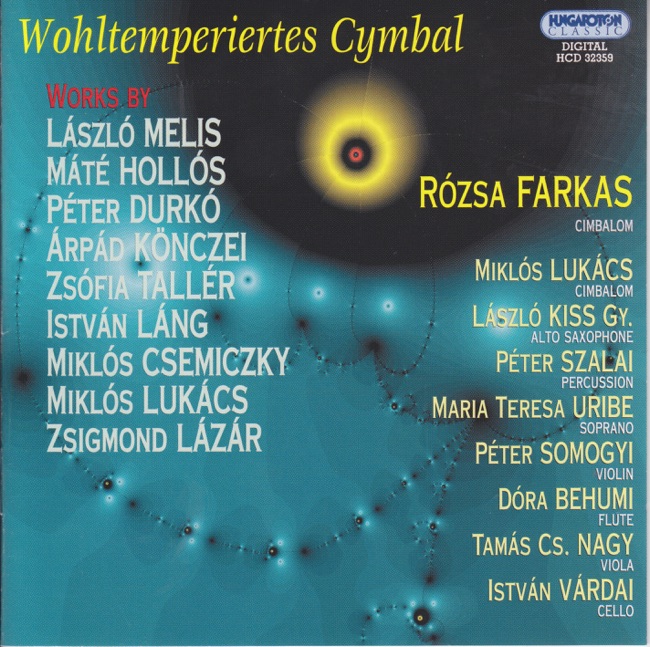 July 25, 2006
Chamber
-
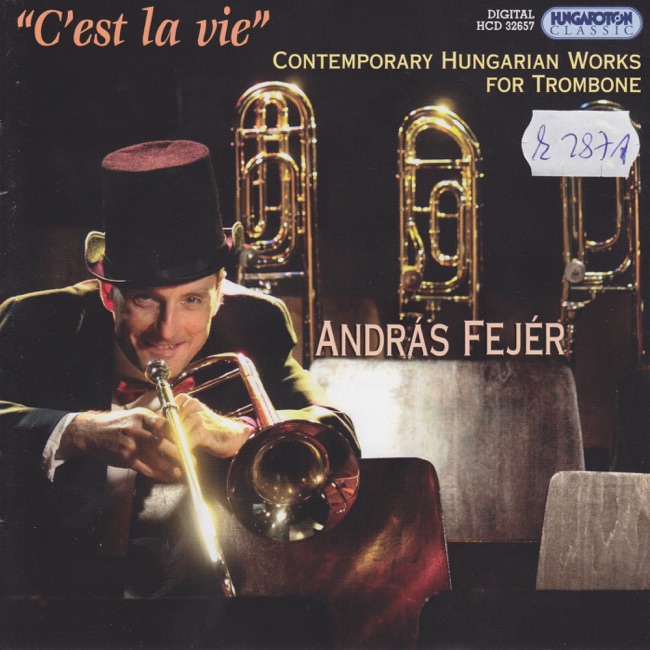 January 31, 2011
Artist Info
Role:ComposerBirth:1972Péter Durkó was a Hungarian composer of classical music, born on January 1, 1936, in Budapest, Hungary. He was the son of a music teacher and grew up in a musical family. His father was a violinist, and his mother was a pianist. Durkó started playing the piano at a young age and showed a great interest in music. He attended the Franz Liszt Academy of Music in Budapest, where he studied composition with Zoltán Kodály and Ferenc Farkas. Durkó's early works were influenced by the Hungarian folk music tradition, which he had learned from his father. He was also influenced by the works of Béla Bartók and Igor Stravinsky. His first major work was a ballet called "The Legend of the Sun," which was premiered in 1960. The ballet was based on a Hungarian folk tale and was well received by audiences and critics alike. Durkó's music was characterized by its use of folk melodies and rhythms, combined with modernist techniques. He was interested in exploring the possibilities of electronic music and was one of the first composers in Hungary to use electronic instruments in his compositions. His works often featured unusual instrumental combinations, such as the use of a cimbalom (a Hungarian hammered dulcimer) in his Symphony No. 2. Durkó's most famous work is his opera "The Tragedy of Man," which is based on a play by Imre Madách. The opera tells the story of Adam and Eve and their struggle to understand the meaning of life. The opera was premiered in 1985 and was a great success. It has since been performed in many countries around the world. Durkó's other notable works include his Symphony No. 1, which was premiered in 1963, and his Symphony No. 3, which was premiered in 1972. He also wrote several chamber music works, including a string quartet and a piano trio. Durkó was a prolific composer, and his works were performed by many orchestras and ensembles around the world. He received numerous awards and honors for his contributions to music, including the Kossuth Prize, Hungary's highest cultural award, in 1985. Durkó died on December 30, 1999, in Budapest, Hungary, at the age of 63. His legacy as a composer continues to be celebrated, and his works are still performed and recorded today.More....
Recent Artist Music
Copyright Ⓒ 2013 Davinci Finger. All rights reseved
Service Terms & Policy