


Guy Weitz
Released Album
Keyboard
-
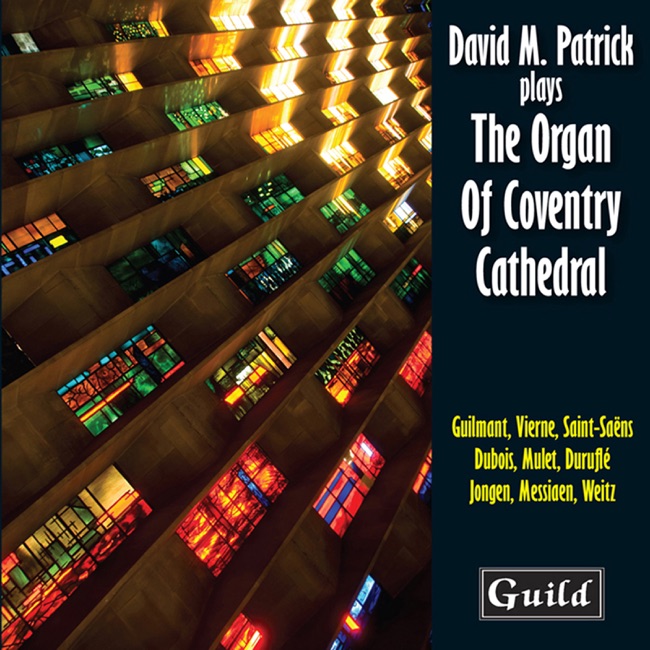 February 2, 2018
 -
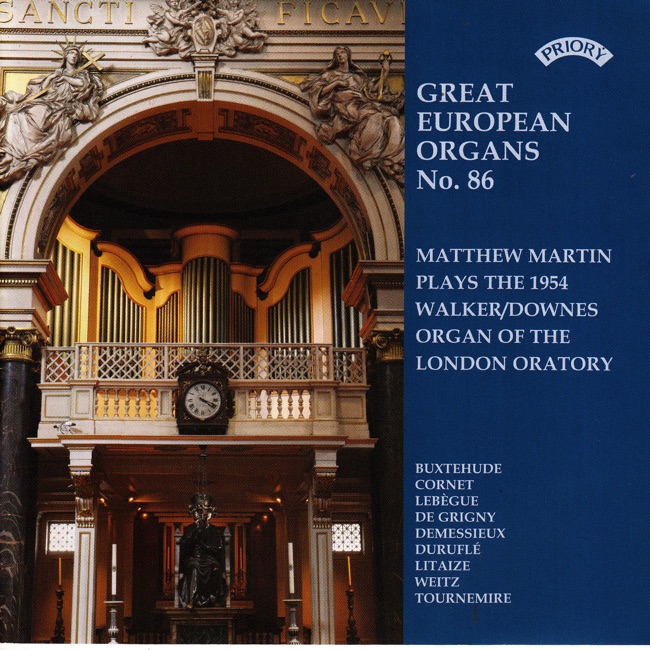 August 13, 2013
 -
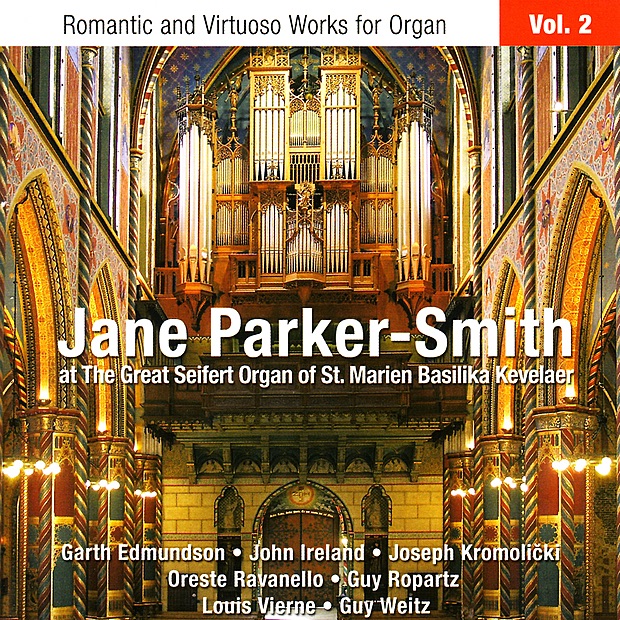
-
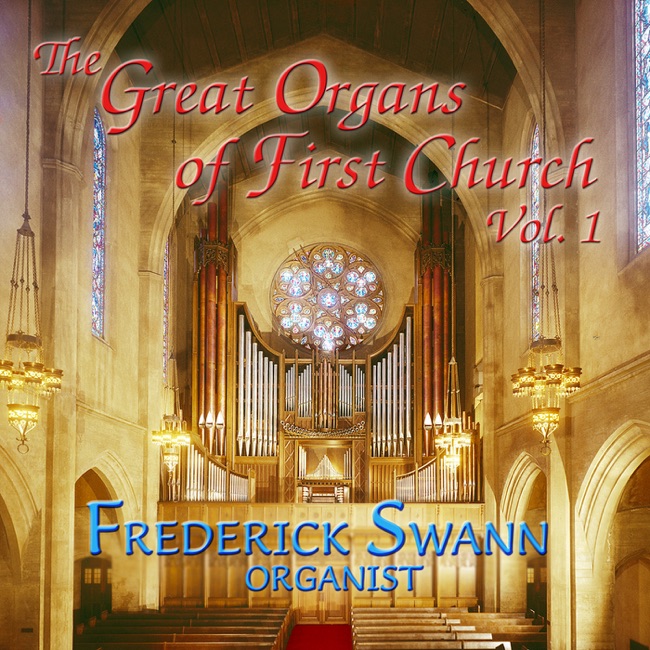 October 24, 2000
 -
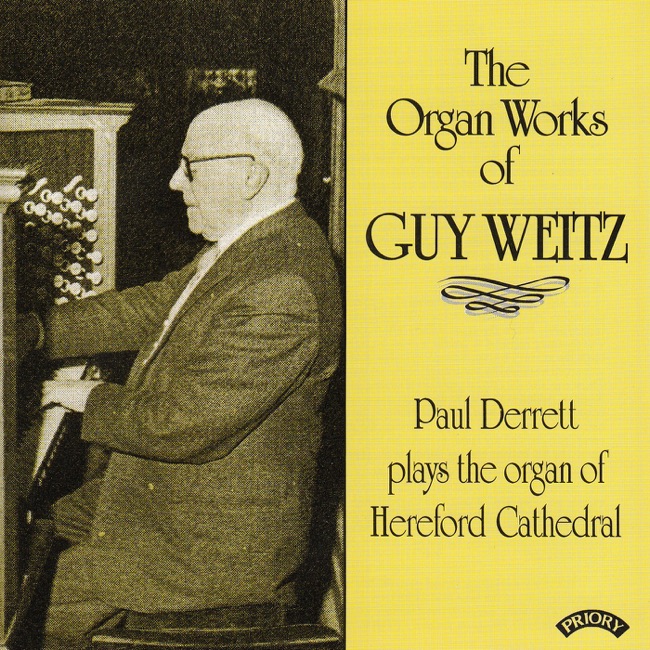 May 23, 1995
Artist Info
Role:ComposerBirth:1883Death:1970Period:ModernGenre:KeyboardGuy Weitz was a French composer and pianist who was born on December 13, 1912, in Paris, France. He was the son of a music teacher and began his musical education at a young age. Weitz showed a natural talent for music and quickly became proficient in playing the piano. Weitz's early musical education was at the Paris Conservatory, where he studied under the tutelage of some of the most renowned musicians of the time. He was a student of Nadia Boulanger, a famous French composer and conductor, and also studied with Marcel Dupré, a renowned organist and composer. Weitz's early compositions were heavily influenced by the music of his teachers, and he quickly gained a reputation as a talented composer. His first major work, the Piano Concerto No. 1, was premiered in 1935 and was well-received by audiences and critics alike. Throughout the 1930s and 1940s, Weitz continued to compose and perform, gaining a reputation as one of the most talented young composers of his generation. He was known for his innovative use of harmony and rhythm, and his compositions were often characterized by their complex and intricate structures. One of Weitz's most famous works is his Symphony No. 1, which was premiered in 1947. The symphony is a complex and ambitious work that showcases Weitz's mastery of orchestration and his ability to create powerful and emotional music. Weitz's music was also heavily influenced by his Jewish heritage, and he often incorporated Jewish themes and melodies into his compositions. One of his most famous works in this vein is his Suite Hébraïque, which was premiered in 1951. The suite is a collection of four pieces that are based on traditional Jewish melodies and themes. In addition to his work as a composer, Weitz was also a talented pianist and often performed his own works in concert. He was known for his virtuosic playing and his ability to bring out the emotional depth of his compositions. Weitz continued to compose and perform throughout the 1950s and 1960s, but his output slowed down in the 1970s as he began to suffer from health problems. He passed away on December 10, 1979, at the age of 66. Despite his relatively short career, Weitz left behind a legacy of powerful and emotional music that continues to be performed and admired today. His innovative use of harmony and rhythm, combined with his deep emotional connection to his Jewish heritage, make his music a unique and important contribution to the classical music canon.More....
Recent Artist Music
Copyright Ⓒ 2013 Davinci Finger. All rights reseved
Service Terms & Policy