


Sidney Bailin
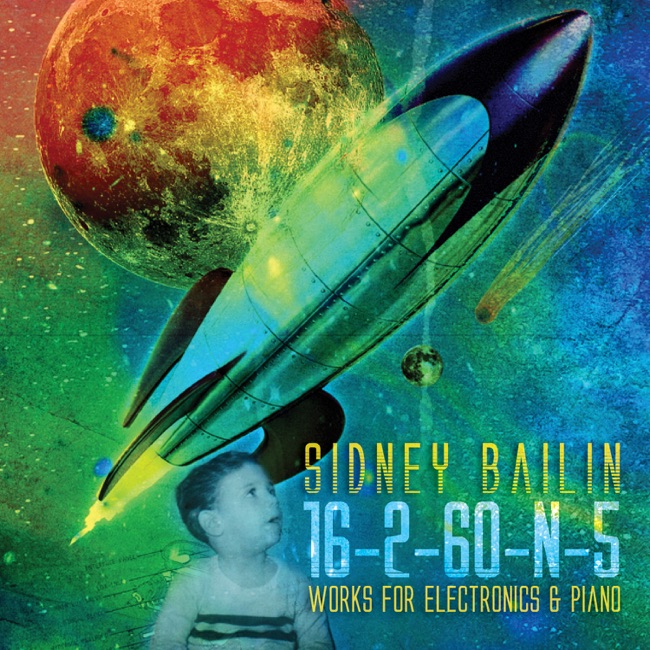
Released Album
Chamber
-
 May 24, 2019
 -
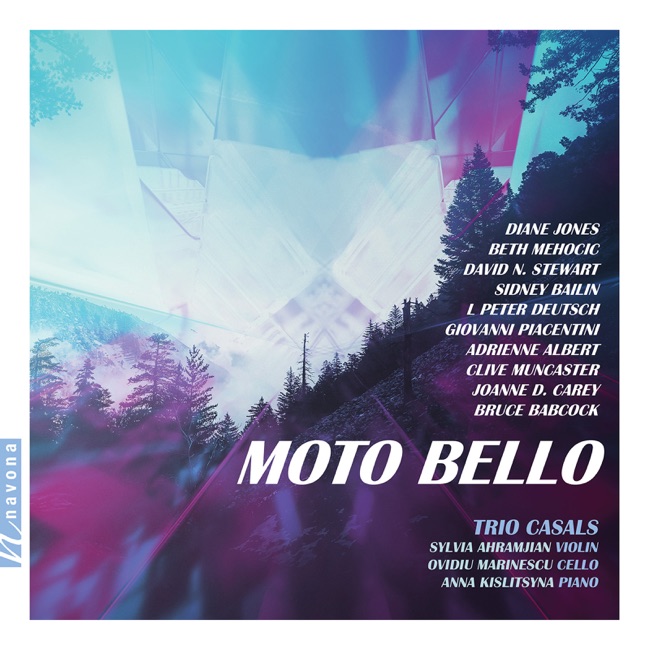 May 11, 2018
Keyboard
Artist Info
Role:Composer PerformerSidney Bailin was an American composer of classical music, born on December 22, 1924, in New York City. He grew up in a family of musicians, with his father being a violinist and his mother a pianist. Bailin began playing the piano at a young age and showed a natural talent for music. He went on to study at the Juilliard School of Music, where he received a Bachelor of Music degree in 1946. After completing his studies, Bailin served in the United States Army during World War II. He was stationed in Europe and played in the army band, which gave him the opportunity to perform in front of large audiences. This experience helped him develop his skills as a performer and composer. Upon returning to the United States, Bailin began his career as a composer. He was influenced by the works of composers such as Igor Stravinsky, Arnold Schoenberg, and Anton Webern. His early compositions were characterized by their use of atonality and serialism, which were popular styles in the mid-20th century. Bailin's first major work was his String Quartet No. 1, which he composed in 1950. The piece was well-received and helped establish him as a serious composer. He went on to compose several other chamber works, including a Piano Trio and a Wind Quintet. In the 1960s, Bailin began to experiment with electronic music. He was fascinated by the possibilities of using technology to create new sounds and textures. He composed several works for tape, including his Electronic Study No. 1 and Electronic Study No. 2. Bailin's most famous work is his Symphony No. 1, which he composed in 1968. The piece is a large-scale work for orchestra and features a wide range of musical styles and techniques. It was premiered by the New York Philharmonic under the direction of Leonard Bernstein and received critical acclaim. Throughout his career, Bailin was known for his innovative approach to composition. He was not afraid to experiment with new techniques and styles, and his music often pushed the boundaries of traditional classical music. He was also a respected teacher and taught at several universities, including the University of California, Berkeley, and the University of Michigan. Bailin continued to compose music until his death in 1993. His legacy as a composer and innovator in the field of classical music lives on through his works, which continue to be performed and studied by musicians and scholars around the world.More....
Recent Artist Music

Copyright Ⓒ 2013 Davinci Finger. All rights reseved
Service Terms & Policy