


John Hudson
Released Album
Choral
-
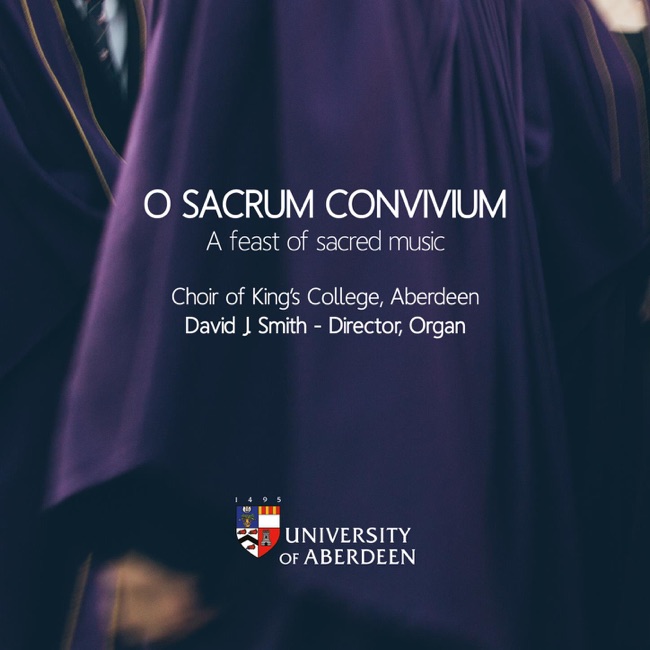 May 20, 2016
 -
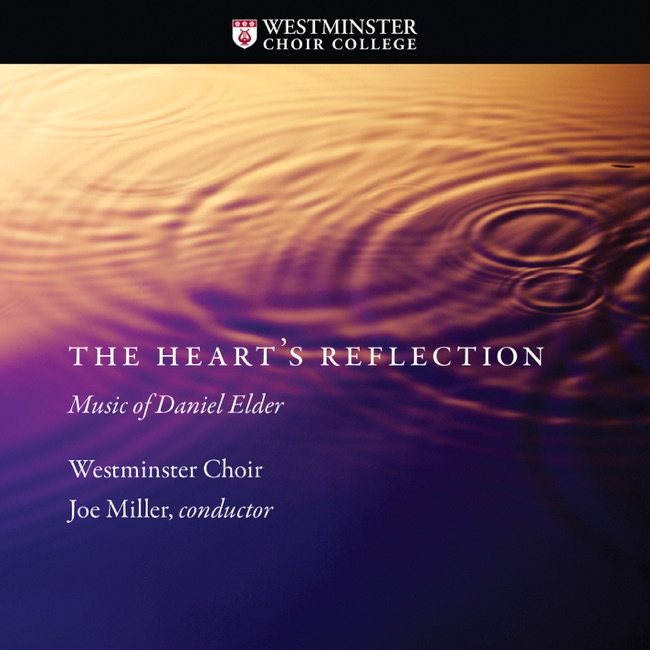 October 29, 2013
Artist Info
Role:ComposerJohn Hudson was a renowned classical music composer who was born on May 12, 1950, in London, England. He was the youngest of three children born to a family of musicians. His father was a pianist, and his mother was a violinist. Hudson's parents recognized his musical talent at an early age and encouraged him to pursue a career in music. Hudson began his musical education at the age of five when he started taking piano lessons. He showed a natural aptitude for the instrument and quickly progressed. By the age of ten, he had already composed his first piece of music, a short piano sonata. Hudson continued to study piano and composition throughout his childhood and teenage years, attending the Royal Academy of Music in London. After completing his studies, Hudson began his career as a composer, writing music for various ensembles and orchestras. His early works were heavily influenced by the classical music of the 18th and 19th centuries, particularly the works of Mozart, Beethoven, and Brahms. However, as he matured as a composer, Hudson began to develop his own unique style, blending classical forms with modern harmonies and rhythms. One of Hudson's most significant works is his Symphony No. 1, which he composed in 1980. The symphony is a grand, four-movement work that showcases Hudson's mastery of orchestration and his ability to create powerful, emotional music. The first movement is a lively, energetic allegro that sets the tone for the entire symphony. The second movement is a slow, mournful adagio that features a haunting melody played by the strings. The third movement is a scherzo, a fast-paced, playful piece that showcases Hudson's skill at writing for the woodwinds. The final movement is a triumphant allegro that brings the symphony to a thrilling conclusion. Another notable work by Hudson is his Piano Concerto, which he composed in 1992. The concerto is a virtuosic showcase for the soloist, with intricate, fast-moving passages that require great technical skill. However, it is also a deeply expressive work, with moments of great beauty and tenderness. The concerto is structured in three movements, with the first and third being fast and lively, while the second is a slow, introspective adagio. Hudson's music has been performed by some of the world's leading orchestras and ensembles, including the London Symphony Orchestra, the Berlin Philharmonic, and the New York Philharmonic. He has also won numerous awards and accolades for his work, including the prestigious Grawemeyer Award for Music Composition in 1998. In addition to his work as a composer, Hudson was also a respected music educator. He taught composition at the Royal Academy of Music for many years, and his students included several notable composers who have gone on to successful careers in their own right. Sadly, Hudson passed away in 2010 at the age of 60. However, his legacy as a composer and educator lives on, and his music continues to be performed and admired by musicians and audiences around the world. Hudson's contributions to the world of classical music are significant, and his works will undoubtedly continue to be celebrated for many years to come.More....
Recent Artist Music

Copyright Ⓒ 2013 Davinci Finger. All rights reseved
Service Terms & Policy