


Gaetano Lama
Released Album
Vocal
-
 October 29, 2022
 -
-
 October 22, 2012
 -
 November 30, 2004
 -
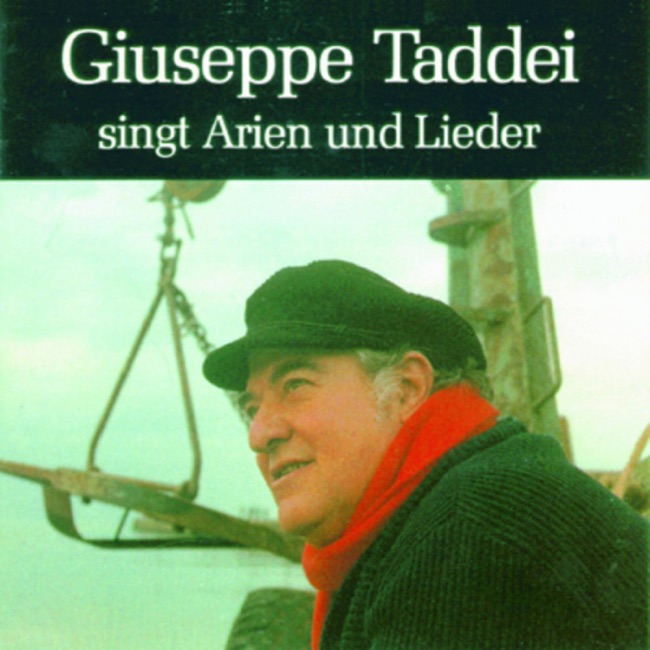 February 7, 1995
 -
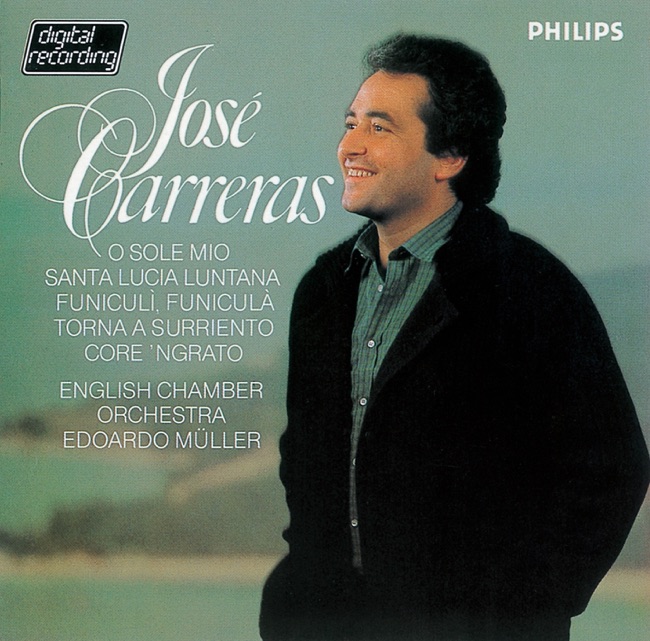 March, 1983
Artist Info
Role:ComposerBirth:1886Death:1950Period:RomanticContemporaryGenre:VocalGaetano Lama was an Italian composer of classical music who lived from 1886 to 1950. He was born in the town of Cosenza, in the southern region of Calabria, Italy. His father was a musician and a composer, and he began teaching Gaetano music at a young age. Gaetano showed a natural talent for music, and he quickly became proficient in playing the piano and the violin. As a young man, Gaetano moved to Naples to study music at the Conservatory of San Pietro a Majella. He studied under some of the most prominent composers of the time, including Alessandro Longo and Giuseppe Martucci. During his time at the conservatory, Gaetano developed a deep appreciation for the music of the Romantic era, particularly the works of Chopin and Liszt. After completing his studies, Gaetano began his career as a composer. He quickly gained a reputation for his skillful use of melody and harmony, and his music was well-received by audiences and critics alike. His early works were heavily influenced by the Romantic era, but he also incorporated elements of Italian folk music into his compositions. One of Gaetano's most notable works from this period is his Piano Concerto in A minor. The concerto is a virtuosic showcase for the soloist, with intricate runs and arpeggios that require great technical skill. The piece also features lush, Romantic-era harmonies and a memorable main theme that is repeated throughout the work. In addition to his work as a composer, Gaetano was also a respected music educator. He taught at several conservatories throughout Italy, including the Conservatory of Naples and the Conservatory of Bologna. He was known for his rigorous teaching style and his emphasis on the importance of technique and musical expression. During the 1920s and 1930s, Gaetano's music began to evolve. He became interested in the music of the Baroque era, particularly the works of Bach and Handel. He began incorporating elements of Baroque music into his compositions, such as contrapuntal textures and intricate ornamentation. One of Gaetano's most famous works from this period is his Concerto Grosso in D minor. The piece is written for a small group of soloists, who play off of each other in a series of intricate and complex musical dialogues. The work is a tribute to the Baroque concerto grosso form, but it also incorporates elements of Gaetano's own unique style. In the years leading up to World War II, Gaetano's music became more introspective and contemplative. He began exploring themes of loss and nostalgia, and his music took on a more melancholy tone. One of his most famous works from this period is his String Quartet No. 2, which is a haunting and introspective work that explores themes of memory and longing. Despite the difficult political climate of the time, Gaetano continued to compose and teach throughout the war years. His music provided a source of comfort and solace for many people during this difficult time, and his dedication to his craft inspired many of his students and colleagues. Gaetano died in 1950, but his music continues to be performed and admired by musicians and audiences around the world. His legacy as a composer and educator is a testament to his dedication to the art of music, and his contributions to the classical music canon will continue to be celebrated for generations to come.More....
Recent Artist Music
8
3:34
Copyright Ⓒ 2013 Davinci Finger. All rights reseved
Service Terms & Policy