


Christian Ernst Graf
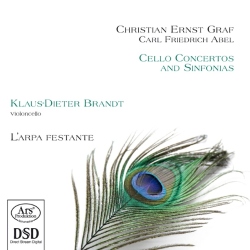
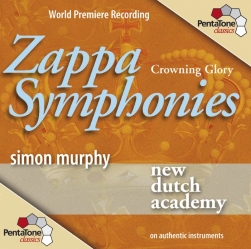
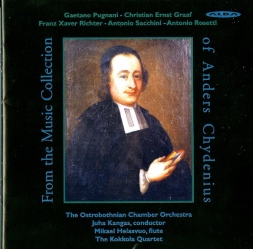
Released Album
Chamber
-
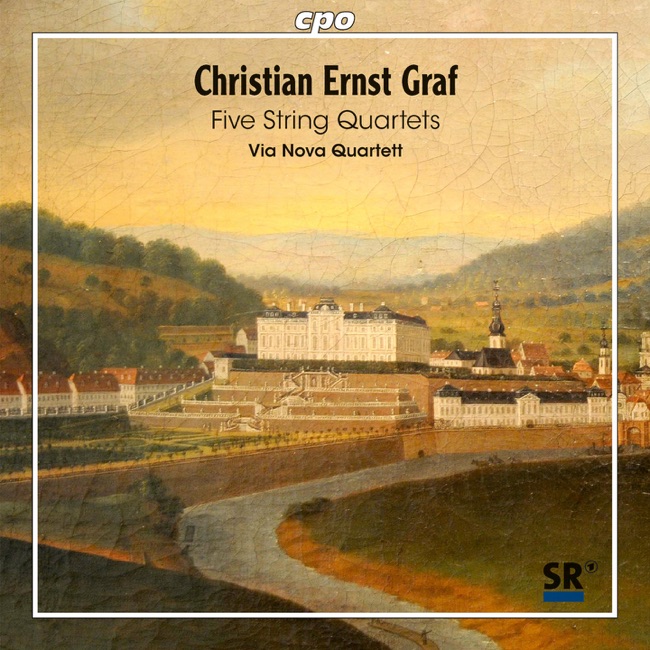 May 12, 2015
 -
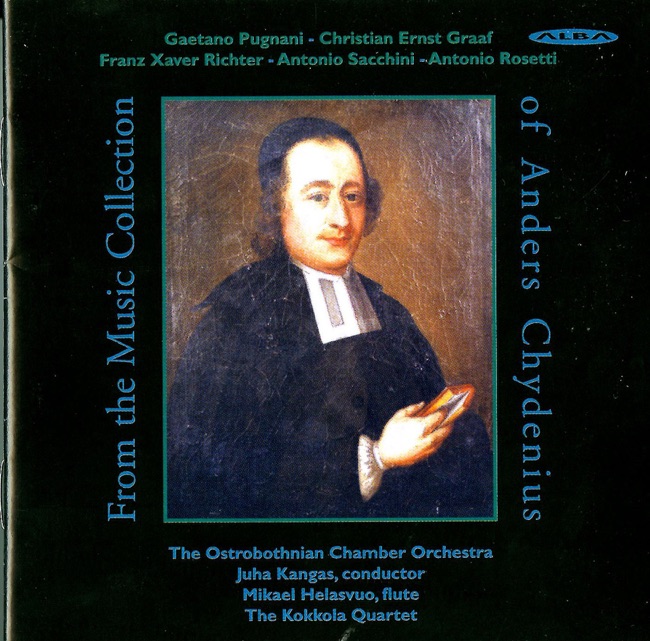 June 29, 2004
Symphony
-
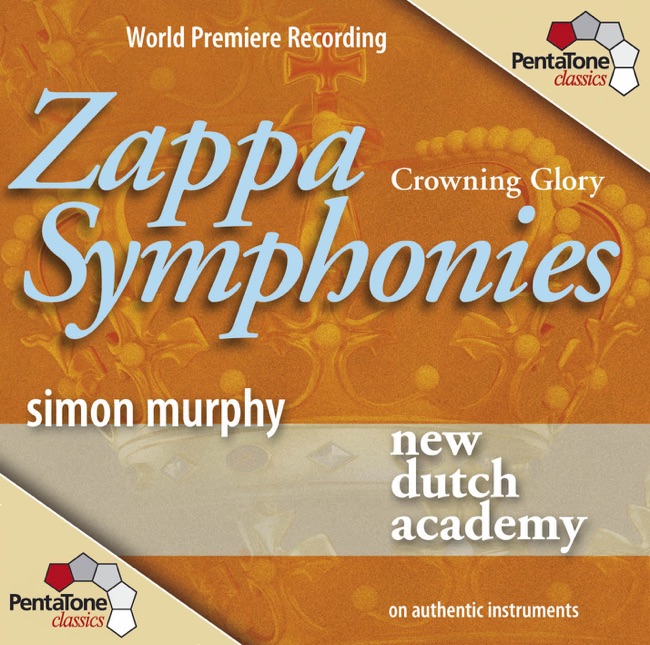 January 26, 2010
Concerto
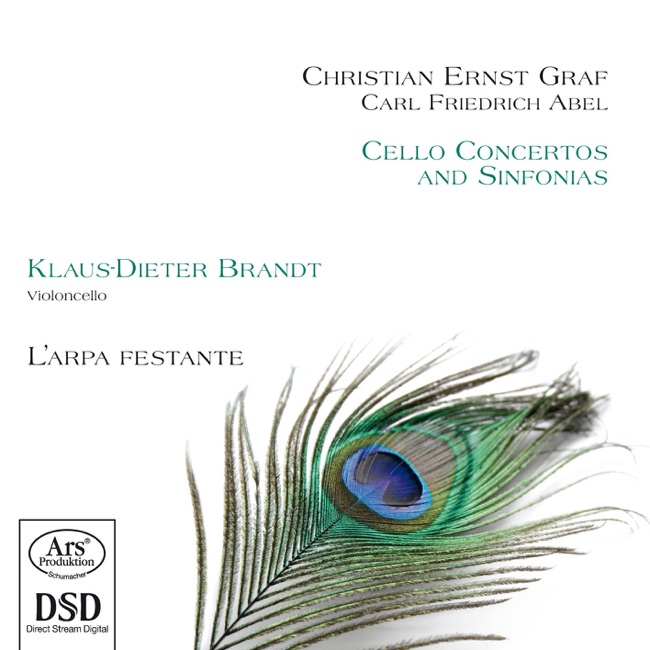
Artist Info
Role:ComposerCountry: NetherlandsBirth:June 30, 1723Death:February 17, 1804Period:ClassicalGenre:SymphonyChristian Ernst Graf was a German composer and conductor who lived from 1723 to 1804. He was born in Rudolstadt, Thuringia, and was the son of a court musician. Graf showed an early interest in music and began his musical education at a young age. He studied with his father and later with Johann Sebastian Bach's son, Johann Christoph Friedrich Bach. Graf's musical career began in 1748 when he was appointed as the court conductor in Rudolstadt. He held this position for 25 years and during this time, he composed a number of works for the court. In 1773, Graf moved to Weimar where he became the court conductor for the Duke of Saxe-Weimar. He held this position until his retirement in 1795. Graf was a prolific composer and wrote music in a variety of genres including symphonies, concertos, chamber music, and vocal music. His music was influenced by the styles of his contemporaries such as Johann Sebastian Bach, Georg Philipp Telemann, and Christoph Willibald Gluck. One of Graf's most famous works is his Symphony in D major, which was composed in 1760. This symphony is a prime example of the galant style, which was popular in the mid-18th century. The symphony is characterized by its light and graceful melodies, and its use of simple harmonies and clear textures. The Symphony in D major is still performed today and is considered to be one of Graf's most important works. Another notable work by Graf is his Concerto for Flute and Orchestra in G major, which was composed in 1770. This concerto is a virtuosic showcase for the flute and features a number of technical challenges for the soloist. The concerto is also notable for its use of the galant style, which is evident in its light and graceful melodies. Graf also composed a number of chamber music works, including his Trio Sonata in C major for Flute, Violin, and Continuo. This work is a prime example of the trio sonata form, which was popular in the Baroque era. The Trio Sonata in C major is characterized by its contrapuntal textures and its use of imitative melodies. In addition to his instrumental works, Graf also composed a number of vocal works, including his Cantata for the Birthday of Duke Ernst August of Saxe-Weimar. This cantata is a celebratory work that features a number of soloists and a choir. The work is notable for its use of Baroque-style counterpoint and its grandiose choral sections. Graf's music was well-regarded during his lifetime and he was considered to be one of the leading composers of his time. His music was performed throughout Germany and was also popular in other European countries. However, after his death, his music fell out of favor and was largely forgotten. It was not until the 20th century that his music began to be rediscovered and performed again. Today, Graf's music is appreciated for its elegance and grace, as well as its historical significance. His works are performed by orchestras and chamber ensembles around the world, and his contributions to the development of classical music are recognized and celebrated.More....
Recent Artist Music
4

7:22
Copyright Ⓒ 2013 Davinci Finger. All rights reseved
Service Terms & Policy