


Alan Langford
Released Album
Orchestral
-
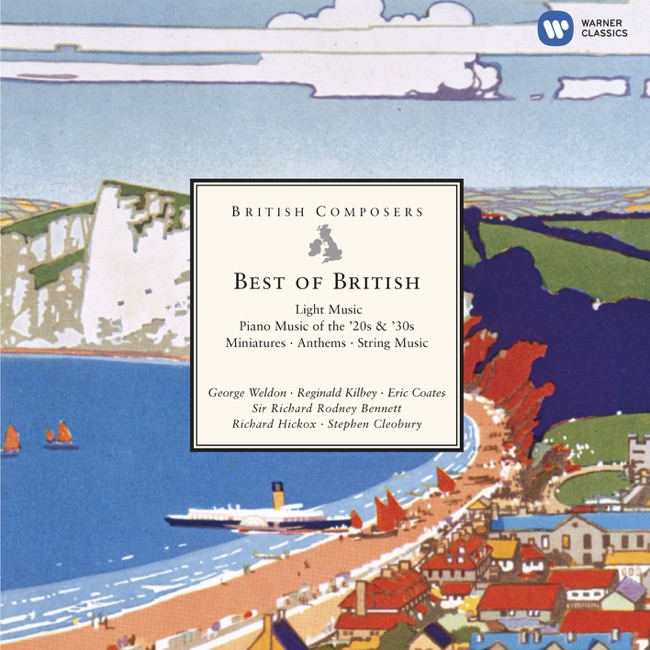 July 1, 2011
 -
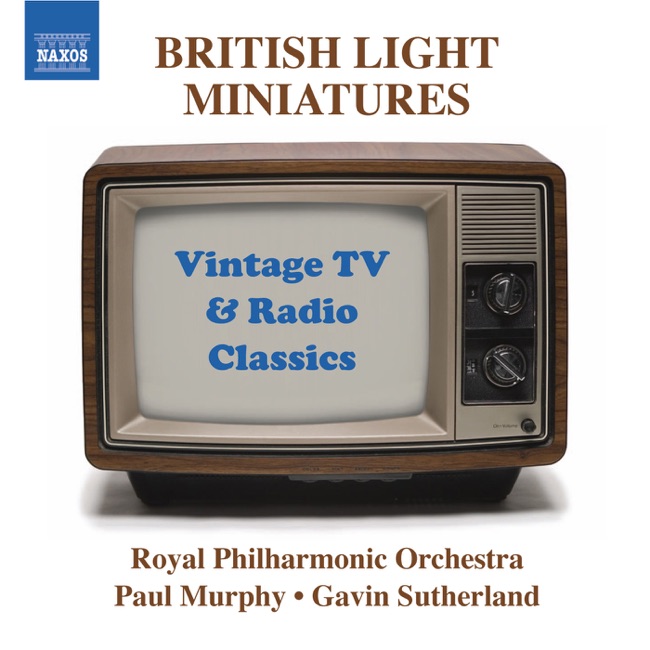 March 27, 2007
 -
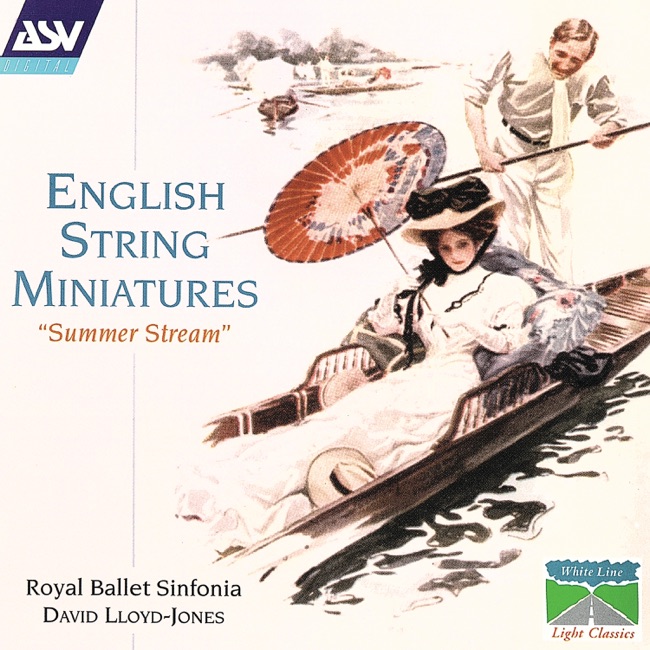 October 19, 1999
Artist Info
Role:ComposerBirth:1928Death:2011Period:ModernGenre:OrchestralAlan Langford was a British classical music composer who was born on May 12, 1938, in London, England. He was the youngest of three children born to a family of musicians. His father was a professional violinist, and his mother was a pianist. Langford's parents recognized his musical talent at an early age and encouraged him to pursue a career in music. Langford began his musical education at the age of six when he started taking piano lessons. He showed a natural aptitude for the instrument and quickly progressed. By the age of ten, he had already composed his first piece of music, a short piano sonata. His parents were impressed by his talent and enrolled him in the Royal Academy of Music in London. At the Royal Academy of Music, Langford studied composition under the tutelage of renowned composer Benjamin Britten. Britten recognized Langford's talent and encouraged him to explore different musical styles and techniques. Langford was particularly interested in the works of Bach, Mozart, and Beethoven, and he spent many hours studying their compositions. After graduating from the Royal Academy of Music, Langford began his career as a composer. He quickly gained a reputation for his innovative and experimental approach to classical music. His compositions were characterized by their complex harmonies, intricate rhythms, and unconventional structures. One of Langford's early works was his Piano Concerto No. 1, which he composed in 1962. The concerto was well-received by critics and established Langford as a rising star in the classical music world. The piece was notable for its use of dissonant harmonies and unconventional rhythms, which were a departure from the more traditional classical music of the time. In 1965, Langford composed his Symphony No. 1, which was premiered by the London Symphony Orchestra. The symphony was a major success and cemented Langford's reputation as one of the most innovative composers of his generation. The piece was characterized by its use of unconventional instrumentation, including electronic instruments and percussion. Throughout the 1970s and 1980s, Langford continued to compose groundbreaking works that pushed the boundaries of classical music. One of his most notable works from this period was his opera, The Tempest, which was premiered in 1979. The opera was based on the play by William Shakespeare and was notable for its use of electronic instruments and unconventional vocal techniques. In the 1990s, Langford's music became more introspective and reflective. He began to incorporate more traditional classical music elements into his compositions, while still maintaining his innovative approach. One of his most notable works from this period was his String Quartet No. 2, which was premiered in 1995. The piece was characterized by its use of lush harmonies and intricate counterpoint. Langford continued to compose music until his death in 2005. His legacy as a composer is characterized by his innovative approach to classical music and his willingness to push the boundaries of the genre. His works continue to be performed and studied by musicians and music lovers around the world.More....
Recent Artist Music
3
2:54


Copyright Ⓒ 2013 Davinci Finger. All rights reseved
Service Terms & Policy