


Huck Hodge
Released Album
Keyboard
-
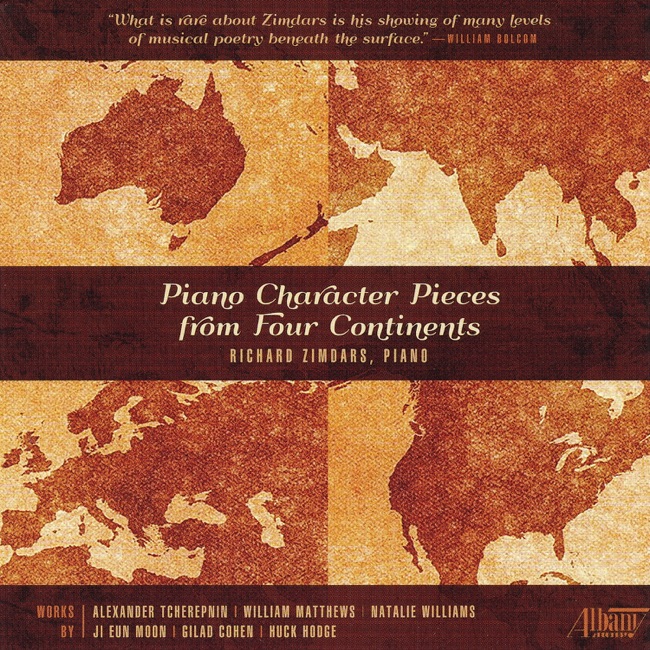 April 6, 2015
 -
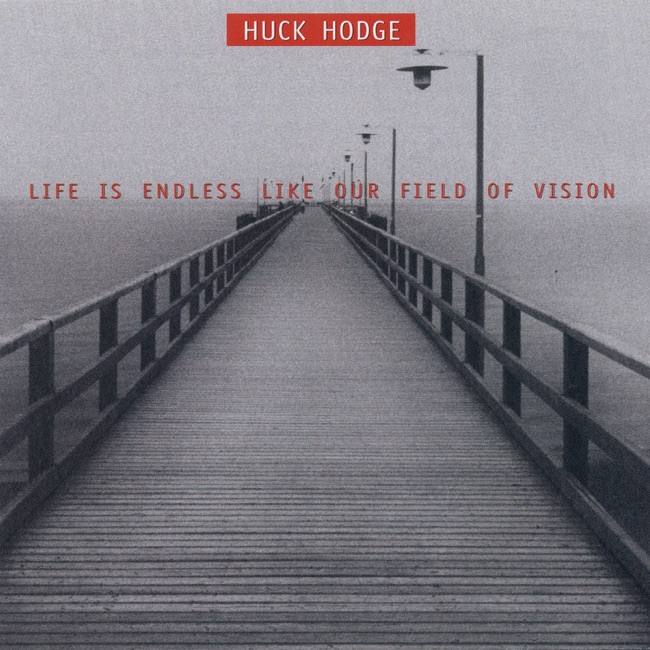 September 9, 2014
Artist Info
Role:ComposerHuck Hodge is a contemporary classical music composer who was born on December 23, 1977, in Seattle, Washington. He grew up in a family of musicians, with his father being a jazz pianist and his mother a classical pianist. Hodge started playing the piano at a young age and later learned to play the trumpet and guitar. He attended the University of Washington, where he earned a Bachelor of Music degree in composition in 2000. He then went on to earn a Master of Music degree in composition from the University of Michigan in 2002 and a Doctor of Musical Arts degree in composition from Columbia University in 2008. Hodge's music is known for its intricate and complex structures, as well as its use of electronic and acoustic instruments. He has been influenced by a wide range of musical styles, including jazz, rock, and electronic music, as well as classical music. His compositions often explore themes of time, space, and perception, and he has been praised for his ability to create immersive and otherworldly sonic landscapes. One of Hodge's earliest works is his 2001 composition "The Surface of the World," which was commissioned by the Seattle Symphony Orchestra. The piece is a meditation on the natural world, with Hodge using a variety of instruments to create a rich and evocative soundscape. The piece was well-received and helped establish Hodge as a rising star in the world of contemporary classical music. In 2004, Hodge composed "Aeolian Confluence," a piece for string quartet and electronics. The piece was inspired by the Aeolian harp, a musical instrument that produces sound when the wind blows across its strings. Hodge used electronic processing to create a similar effect, with the strings of the quartet being manipulated and transformed by the electronics. The piece was performed by the JACK Quartet and was praised for its innovative use of technology and its hauntingly beautiful sound. Hodge's 2006 composition "Circuits" is another notable work. The piece is a concerto for electric guitar and orchestra, and it features Hodge himself on guitar. The piece is a fusion of classical and rock music, with Hodge using the guitar to create a range of sounds and textures that are not typically heard in classical music. The piece was performed by the Seattle Symphony Orchestra and was hailed as a groundbreaking work that pushed the boundaries of what was possible in classical music. In 2010, Hodge composed "Pillars," a piece for orchestra and electronics. The piece is a meditation on the passage of time, with Hodge using a variety of techniques to create a sense of movement and change. The piece was commissioned by the Seattle Symphony Orchestra and was performed to critical acclaim. Hodge's 2012 composition "Ashberyana" is another notable work. The piece is a setting of poems by the American poet John Ashbery, and it features soprano and chamber ensemble. The piece is a tribute to Ashbery's surreal and dreamlike poetry, with Hodge using a range of musical techniques to create a similarly otherworldly atmosphere. The piece was performed by the Talea Ensemble and was praised for its imaginative and evocative sound. In 2014, Hodge composed "Voyage into the Golden Screen," a piece for orchestra and electronics. The piece is a tribute to the science fiction writer Philip K. Dick, and it features a range of electronic sounds and textures that evoke the futuristic world of Dick's novels.More....
Copyright Ⓒ 2013 Davinci Finger. All rights reseved
Service Terms & Policy