


Robert Lemay
Released Album
Chamber
-
 July 9, 2021
 -
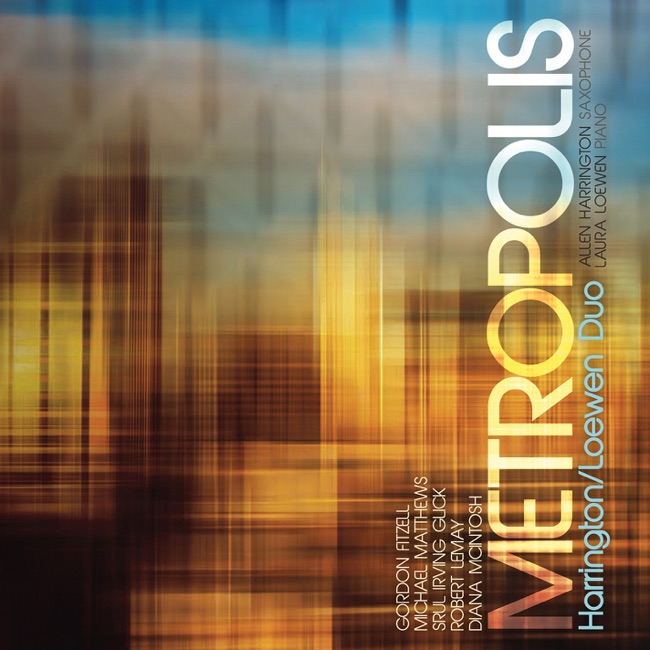 June 10, 2014
 -
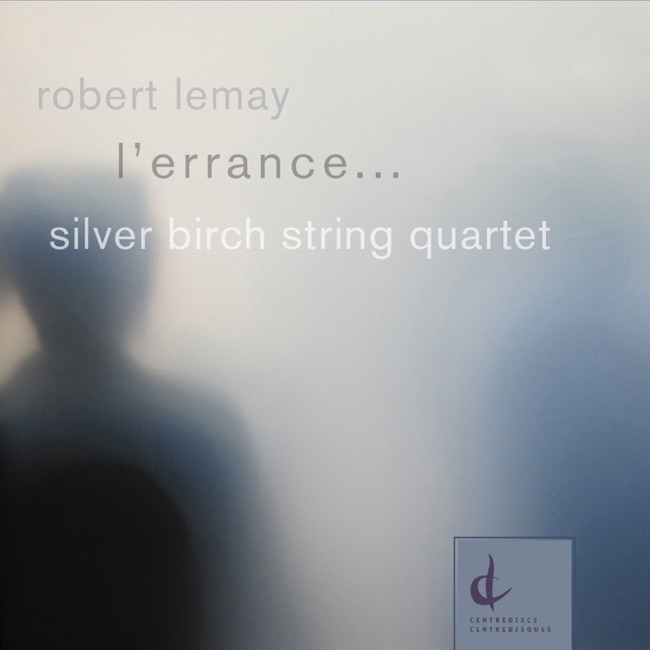 October 29, 2013
 -
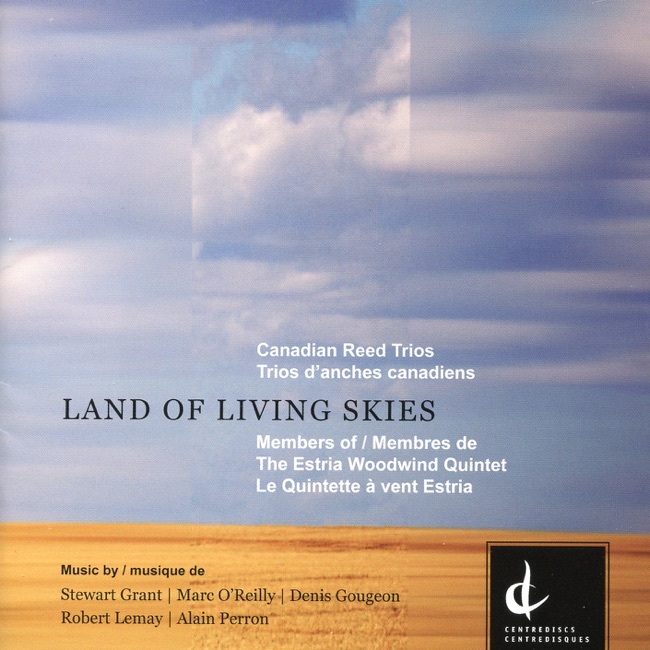 May 31, 2011
Keyboard
-
 November 20, 2020
 -
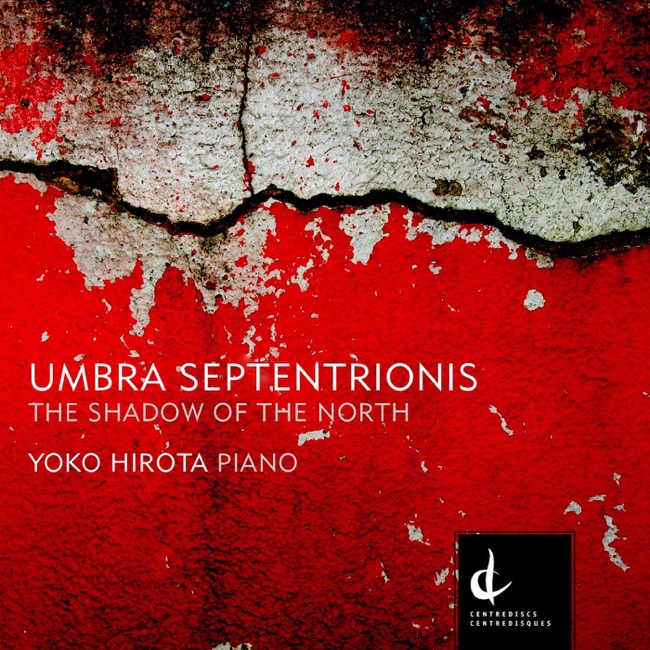 February 17, 2017
 -
 February 26, 2013
Artist Info
Role:ComposerRobert Lemay is a Canadian composer who has made significant contributions to the world of classical music. Born on August 7, 1960, in Montreal, Quebec, Lemay grew up in a family of musicians. His father was a jazz pianist, and his mother was a singer. From a young age, Lemay showed a keen interest in music and began playing the piano at the age of six. Lemay's early musical education was primarily focused on jazz and popular music. However, he soon developed an interest in classical music and began studying composition with Gilles Tremblay at the Conservatoire de musique de Montréal. Tremblay was a significant influence on Lemay's early development as a composer, and he encouraged him to explore new and innovative approaches to composition. In 1984, Lemay received a scholarship to study at the Banff Centre for the Arts in Alberta, Canada. There, he had the opportunity to work with some of the most prominent composers of the time, including John Cage, Morton Feldman, and Iannis Xenakis. These experiences had a profound impact on Lemay's musical style, and he began to incorporate elements of avant-garde and experimental music into his compositions. Lemay's early works were characterized by their complexity and technical virtuosity. His compositions often featured intricate rhythms, unconventional harmonies, and extended techniques for the performers. One of his most notable early works is "L'heure mauve," a piece for solo piano that was premiered in 1986. The piece is a tour-de-force of pianistic virtuosity, featuring complex rhythms and harmonies that push the limits of what is possible on the instrument. Throughout the 1990s, Lemay continued to develop his unique musical style, incorporating elements of minimalism, spectralism, and electronic music into his compositions. One of his most significant works from this period is "Les quatre éléments," a four-movement piece for orchestra that was premiered in 1995. The piece is inspired by the four classical elements of earth, air, fire, and water and features a wide range of orchestral colors and textures. In the early 2000s, Lemay began to explore new approaches to composition, incorporating elements of improvisation and aleatoric techniques into his works. One of his most notable works from this period is "Le tombeau de Ligeti," a piece for piano and electronics that was premiered in 2003. The piece is a tribute to the Hungarian composer György Ligeti and features a wide range of extended techniques for the piano, including prepared piano and inside-the-piano techniques. In recent years, Lemay has continued to push the boundaries of classical music, incorporating elements of rock, jazz, and world music into his compositions. One of his most significant works from this period is "Le cri des oiseaux fous," a piece for electric guitar and orchestra that was premiered in 2015. The piece features a virtuosic guitar solo that is accompanied by a lush orchestral score, creating a unique blend of classical and rock music. Overall, Robert Lemay is a composer who has made significant contributions to the world of classical music. His unique musical style, which incorporates elements of avant-garde, experimental, and popular music, has earned him critical acclaim and a devoted following of fans.More....
Recent Artist Music




Copyright Ⓒ 2013 Davinci Finger. All rights reseved
Service Terms & Policy