


Dominique Phinot
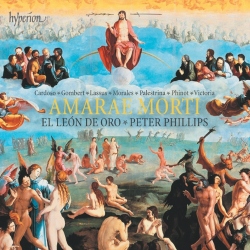
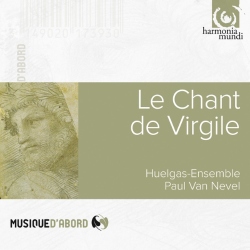
Released Album
Choral
-
 December 3, 2013
 -
 October 30, 2007
Vocal
Artist Info
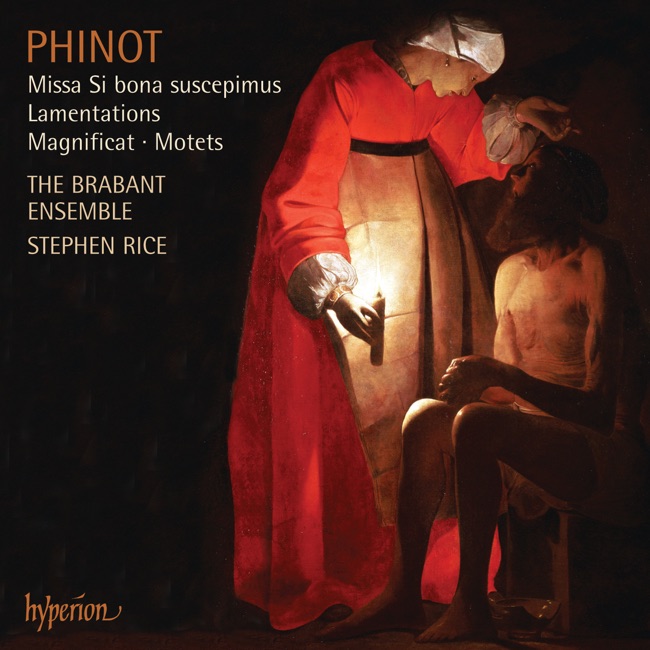
Role:ComposerBirth:ca. 1510Death:ca. 1555Genre:ChoralDominique Phinot was a prominent composer of the Renaissance era, known for his innovative and complex compositions. He was born in the early 16th century, likely in France, although his exact birthplace and date are unknown. Little is known about his early life, but it is believed that he received his musical education in Italy, where he was exposed to the latest trends in music. Phinot's career as a composer began in the 1530s, when he was appointed as a singer at the Cathedral of Verona. He quickly gained a reputation as a talented composer, and his works were performed throughout Italy. In 1538, he was appointed as the maestro di cappella at the Cathedral of Modena, where he remained for several years. During his time in Modena, Phinot composed some of his most famous works, including his Missa Si bona suscepimus and his Missa L'homme armé. These works were notable for their intricate polyphonic textures and their use of complex rhythms and harmonies. Phinot's music was highly regarded by his contemporaries, and he was considered one of the leading composers of his time. In the late 1540s, Phinot left Modena and traveled to France, where he was appointed as the maestro di cappella at the Cathedral of Bourges. During his time in Bourges, he composed a number of works for the cathedral, including his Missa Sine nomine and his Missa Ave Maria. These works continued to showcase Phinot's innovative approach to composition, with their intricate counterpoint and complex harmonies. Phinot's time in Bourges was cut short, however, when he was accused of heresy and forced to flee the city. The exact nature of the accusations against him is unclear, but it is believed that they were related to his association with the Protestant movement. Phinot fled to Italy, where he continued to compose music and work as a musician. Despite his exile, Phinot's music continued to be performed and admired throughout Europe. His works were published in collections such as the Liber selectarum cantionum and the Motetti de la corona, and his influence can be seen in the works of later composers such as Palestrina and Lassus. Phinot's music was notable for its complexity and innovation, particularly in its use of rhythm and harmony. His works often featured intricate polyphonic textures, with multiple voices weaving in and out of each other in complex patterns. He was also known for his use of chromaticism and dissonance, which added a sense of tension and drama to his compositions. Some of Phinot's most famous works include his Missa Si bona suscepimus, which features a complex and intricate polyphonic texture, and his Missa L'homme armé, which uses the popular tune "L'homme armé" as a cantus firmus. Other notable works include his motet "Lamentations for Holy Saturday," which features a hauntingly beautiful melody and a complex harmonic structure, and his chanson "Je suis deshéritée," which showcases his skill at setting French texts to music. Despite his significant contributions to the world of music, Phinot's life and career remain shrouded in mystery. The exact details of his birth, education, and early life are unknown, and the circumstances surrounding his exile from Bourges are unclear. Nevertheless, his music continues to be admired and studied by musicians and scholars alike, and his innovative approach to composition has had a lasting impact on the world of classical music.More....
Copyright Ⓒ 2013 Davinci Finger. All rights reseved
Service Terms & Policy