


William Toutant
Released Album
Chamber
-
 January 3, 2020
 -
 November 15, 2019
 -
 September 21, 2018
 -
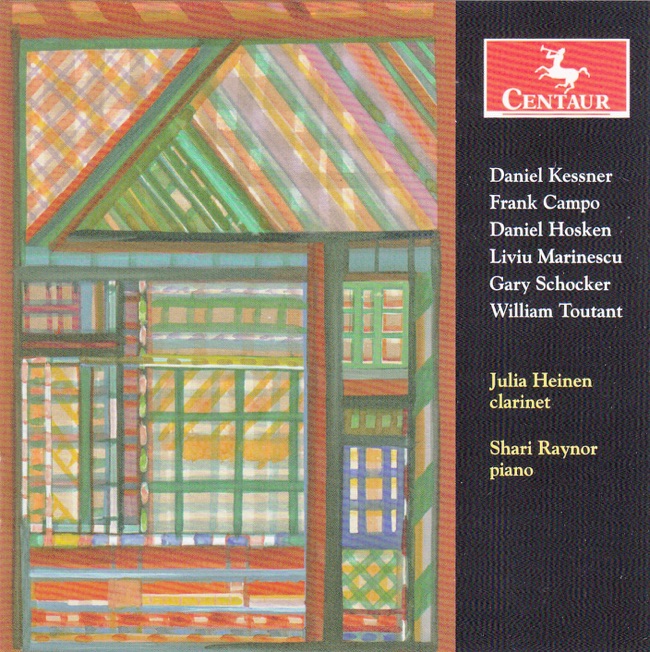 September 25, 2007
 -
 November 23, 1999
Keyboard
-
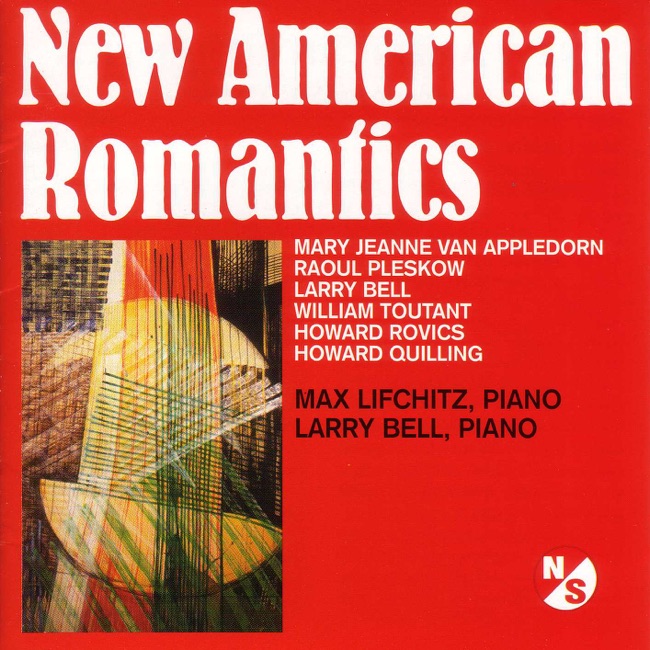 June 18, 1996
Artist Info
Role:ComposerBirth:1948Period:ClassicalContemporaryModernGenre:ChamberKeyboardWilliam Toutant was a classical music composer who was born on May 12, 1925, in Paris, France. He was the son of a French father and an American mother. Toutant grew up in a musical family, and his parents encouraged him to pursue music from a young age. He began playing the piano at the age of five and showed a natural talent for the instrument. Toutant's family moved to the United States when he was a teenager, and he continued his musical education there. He studied piano and composition at the Juilliard School in New York City, where he was mentored by renowned composers such as Aaron Copland and Leonard Bernstein. Toutant also studied with Nadia Boulanger in Paris, who was known for her work with many famous composers, including Igor Stravinsky and Aaron Copland. Toutant's early compositions were heavily influenced by the neoclassical style of Stravinsky and the American composers of the mid-20th century. His works were characterized by their use of complex rhythms, dissonant harmonies, and unconventional forms. Toutant's music was often described as challenging and avant-garde, but it also had a sense of playfulness and humor. One of Toutant's early works, "Three Pieces for Piano," was premiered at the Juilliard School in 1948. The pieces were well-received by the audience and critics, and they established Toutant as a promising young composer. He continued to write for the piano throughout his career, and his piano music was known for its technical difficulty and virtuosity. In the 1950s, Toutant began to experiment with electronic music. He was fascinated by the possibilities of using technology to create new sounds and textures, and he became one of the pioneers of electronic music in the United States. Toutant's electronic works were often created using tape recorders and other primitive equipment, but they were groundbreaking in their use of sound manipulation and synthesis. One of Toutant's most famous electronic works is "Electronic Study No. 1," which was premiered in 1959. The piece was created using tape manipulation and features a wide range of sounds, from electronic beeps and blips to recordings of human voices. "Electronic Study No. 1" was hailed as a groundbreaking work of electronic music and helped to establish Toutant as a leading figure in the field. Toutant continued to write for traditional instruments as well, and his orchestral works were particularly well-regarded. His "Symphony No. 1" was premiered by the New York Philharmonic in 1962 and was praised for its innovative use of orchestration and harmony. The symphony was also notable for its use of electronic sounds, which were integrated into the orchestral texture. In the 1970s, Toutant began to incorporate elements of jazz and popular music into his compositions. He was inspired by the work of composers such as George Gershwin and Duke Ellington, and he began to experiment with incorporating jazz rhythms and harmonies into his classical works. Toutant's "Concerto for Piano and Jazz Band" was premiered in 1975 and was a critical and commercial success. The piece featured a solo piano accompanied by a jazz band, and it was praised for its innovative fusion of classical and jazz styles. Toutant continued to write music until his death in 1995. His later works were characterized by a more lyrical and accessible style, but they still retained his signature use of complex harmonies and rhythms.More....
Recent Artist Music

Copyright Ⓒ 2013 Davinci Finger. All rights reseved
Service Terms & Policy