


Lev Konstantinovich Knipper
Released Album
Vocal
-
 September 18, 2007
 -
 October 10, 2000
 -
 February 16, 1996
Miscellaneous
-
 1992
1992
Concerto
-
 September 22, 2017
 -
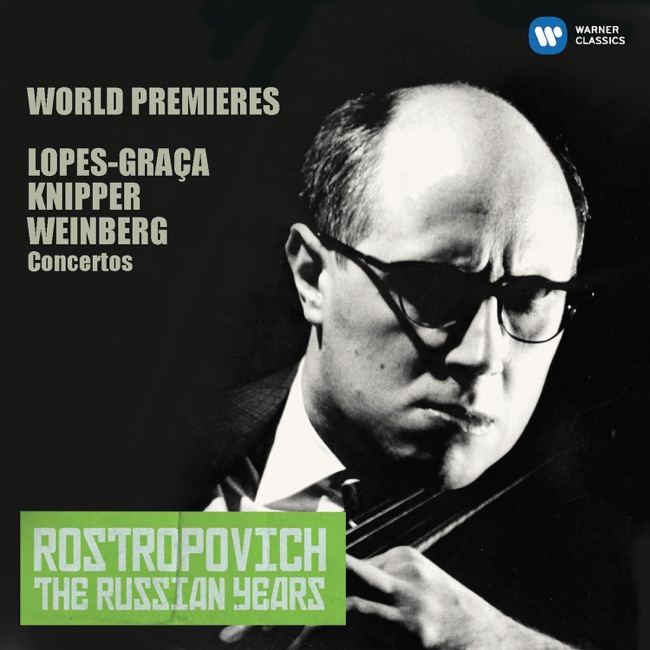 February 1, 2017
 -
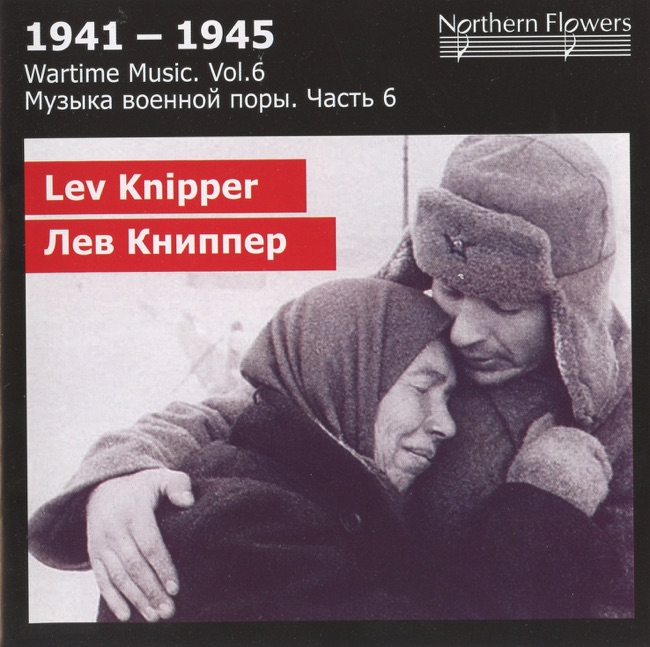 April 1, 2011
Artist Info
Role:ComposerCountry: RussiaBirth:December 3, 1898 in Tiflis, RussiaDeath:July 30, 1974 in Moscow, RussiaPeriod:ModernGenre:ConcertoLev Konstantinovich Knipper was a Russian composer who was born on January 13, 1898, in the city of Tver, Russia. He was born into a family of musicians, and his father was a conductor and composer. Knipper began his musical education at a young age, studying piano and violin. He later attended the Moscow Conservatory, where he studied composition under Nikolai Myaskovsky. Knipper's early works were heavily influenced by the Russian folk music tradition, and he often incorporated folk melodies and rhythms into his compositions. He was also influenced by the music of Igor Stravinsky and Sergei Prokofiev, and his music often featured complex harmonies and rhythms. One of Knipper's most famous works is his score for the 1938 film, "Alexander Nevsky," directed by Sergei Eisenstein. The score, which was written for a large orchestra and choir, is considered to be one of the greatest film scores of all time. The music is powerful and dramatic, and it perfectly captures the epic scope of the film. Knipper also composed several operas, including "The Last Days of Pompeii" and "The Idiot," both of which were based on novels by Fyodor Dostoevsky. His operas were known for their complex harmonies and intricate orchestration. In addition to his work as a composer, Knipper was also a conductor and music educator. He served as the conductor of the Bolshoi Theatre from 1943 to 1948, and he taught composition at the Moscow Conservatory from 1948 until his death in 1974. Knipper's music was often politically charged, and he was a member of the Communist Party. However, his music was also deeply rooted in the Russian tradition, and he was known for his ability to blend traditional folk melodies with modernist techniques. Despite his contributions to Russian music, Knipper's work was largely overshadowed by the more famous composers of his time, such as Prokofiev and Shostakovich. However, his music has since been rediscovered and is now recognized as an important part of the Russian classical music tradition. In conclusion, Lev Konstantinovich Knipper was a talented composer who made significant contributions to the Russian classical music tradition. His music was deeply rooted in the Russian folk music tradition, and he was known for his ability to blend traditional melodies with modernist techniques. His score for "Alexander Nevsky" is considered to be one of the greatest film scores of all time, and his operas were known for their complex harmonies and intricate orchestration. Despite being overshadowed by more famous composers of his time, Knipper's music has since been rediscovered and is now recognized as an important part of the Russian classical music tradition.More....
Recent Artist Music

2
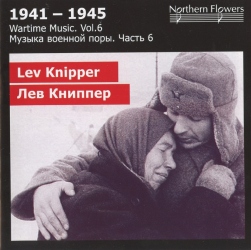
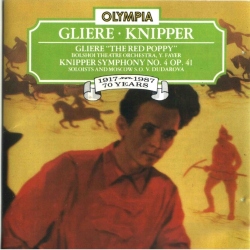
Symphony No. 4 in D major, Op. 41 "Poem of the Komsomol Fighter"
Meadowland or Cavalry of the Steppes
1:51
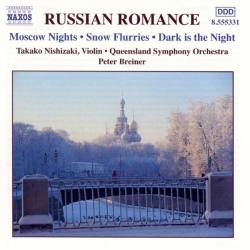
5
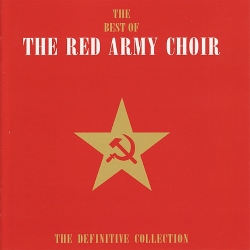
3:4
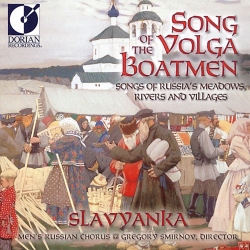
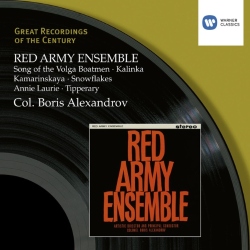

13
16:4
14
16:10
Copyright Ⓒ 2013 Davinci Finger. All rights reseved
Service Terms & Policy