


Robin Orr
Released Album
Choral
-
 December 5, 2011
 -
 April 24, 2001
 -
 February, 1994
 -
 March 4, 1963
Vocal
-
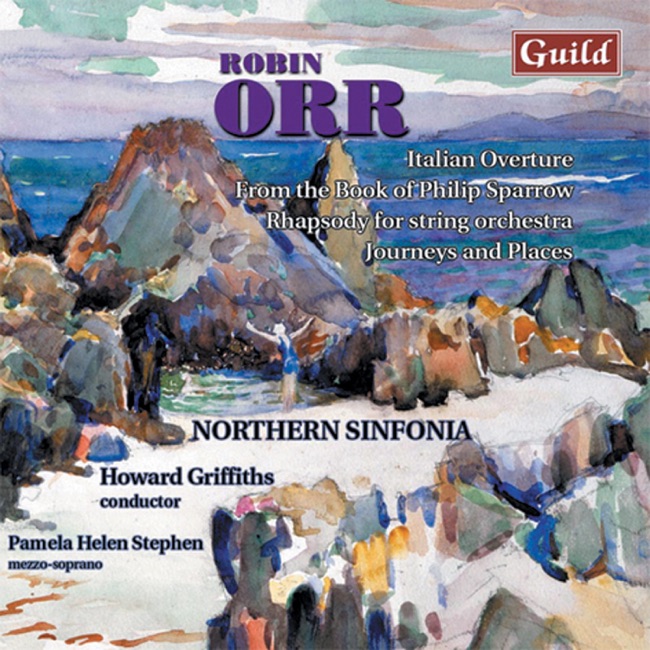 July 20, 2000
Chamber
-
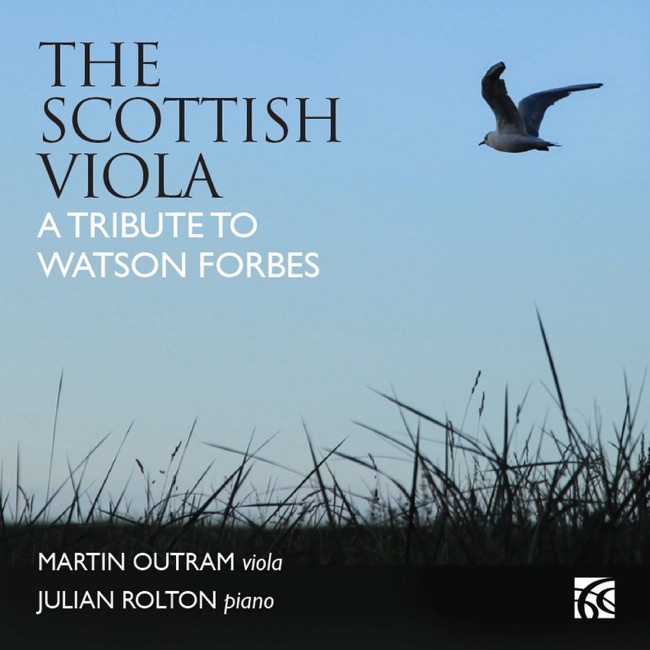 April 16, 2012
 -
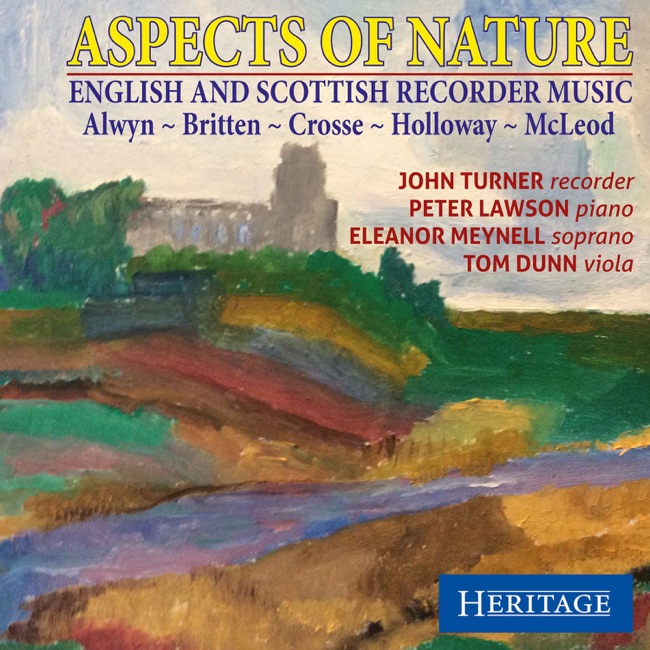 October 29, 2002
Artist Info
Role:ComposerBirth:June 2, 1909 in Brechin, ScotlandDeath:April 9, 2006Period:ContemporaryGenre:ChoralOrchestralVocalRobin Orr was a Scottish composer who was born on June 2, 1909, in Brechin, Angus, Scotland. He was the son of a Church of Scotland minister, and his mother was a talented pianist. Orr's early exposure to music came from his mother, who taught him to play the piano at a young age. He also learned to play the violin and the organ. Orr attended the University of Glasgow, where he studied music under the tutelage of Sir Donald Tovey. He graduated with a Bachelor of Music degree in 1931 and went on to study composition with Ralph Vaughan Williams at the Royal College of Music in London. Orr also studied with Nadia Boulanger in Paris, where he was exposed to the works of Stravinsky, Ravel, and Debussy. Orr's early compositions were heavily influenced by the works of Vaughan Williams and Boulanger. His first major work, the Symphony in One Movement, was premiered in 1937 and was well-received by critics. The piece was notable for its use of Scottish folk melodies and its incorporation of traditional Scottish music into a modern orchestral setting. During World War II, Orr served in the Royal Air Force as a pilot. He continued to compose during his service, and his works from this period include the String Quartet No. 1 and the Piano Sonata No. 1. After the war, Orr returned to Scotland and became a professor of music at the University of Edinburgh. Orr's compositions from the post-war period were marked by a shift towards a more modernist style. His works from this period include the Symphony No. 2, which was premiered in 1951 and was influenced by the works of Bartok and Shostakovich. The piece was well-received by critics and established Orr as one of the leading composers of his generation. In addition to his work as a composer, Orr was also a respected musicologist and wrote extensively on the music of Scotland. He was a founding member of the Scottish Music Information Centre and was instrumental in promoting the works of Scottish composers. Orr's later works were marked by a return to his Scottish roots. His Symphony No. 3, which was premiered in 1960, was heavily influenced by Scottish folk music and was dedicated to the memory of his mother. The piece was well-received by critics and established Orr as one of the leading composers of Scottish music. Orr's other notable works include the Piano Concerto, which was premiered in 1959 and was dedicated to the pianist Moura Lympany, and the String Quartet No. 2, which was premiered in 1963 and was influenced by the works of Bartok and Shostakovich. Orr continued to compose and teach until his death on April 9, 2006, at the age of 96. He was a prolific composer who left behind a rich legacy of works that continue to be performed and admired today. His contributions to Scottish music and his influence on the development of modern classical music make him one of the most important composers of the 20th century.More....
Copyright Ⓒ 2013 Davinci Finger. All rights reseved
Service Terms & Policy