


William Hawley
Released Album
Choral
-
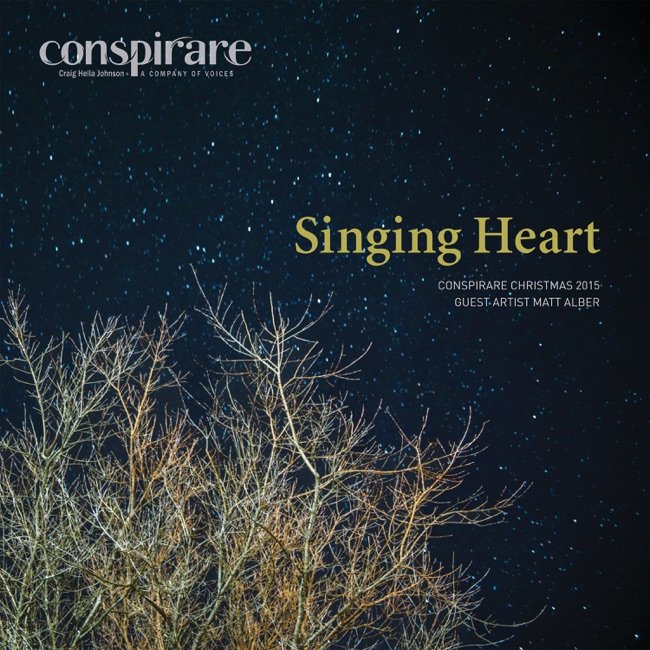 February 15, 2017
 -
-
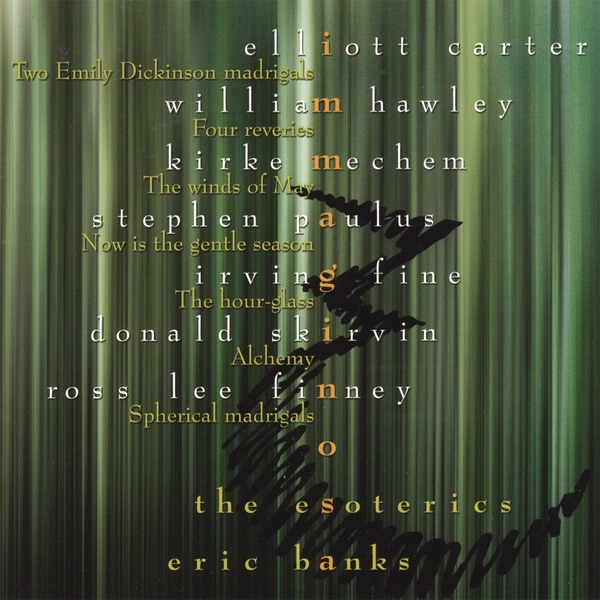 August 28, 2012
 -
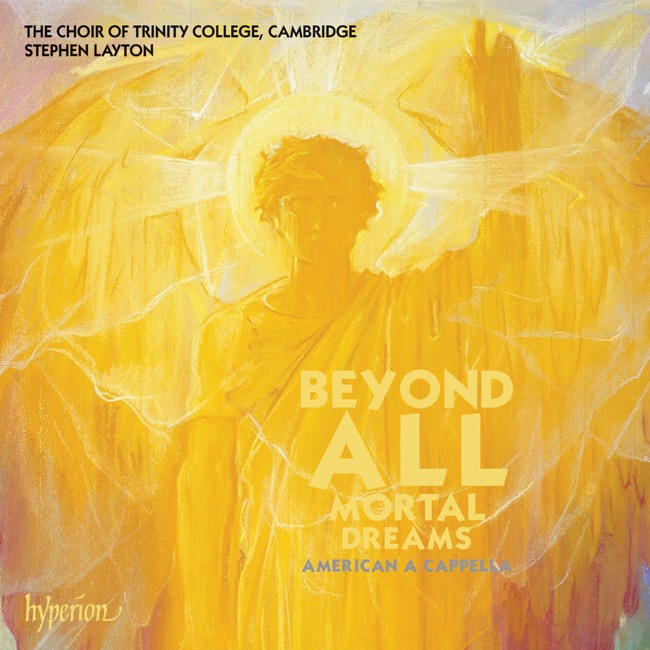 July 12, 2011
 -
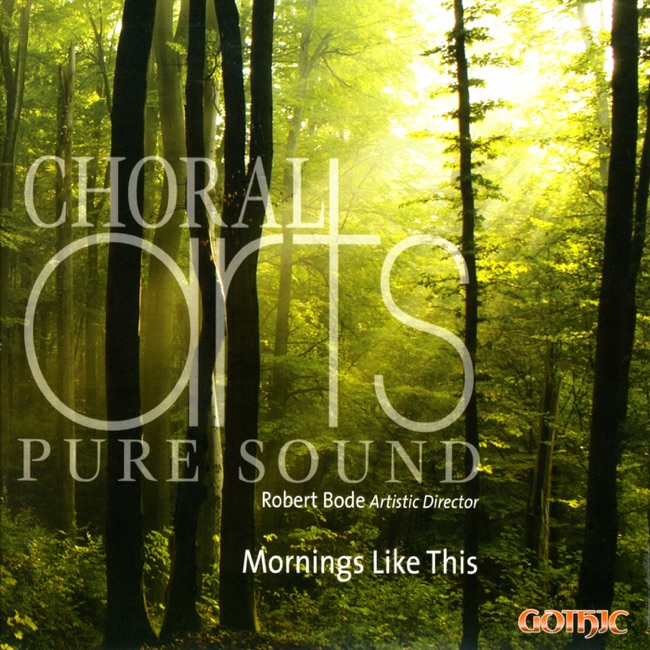 April 13, 2010
 -
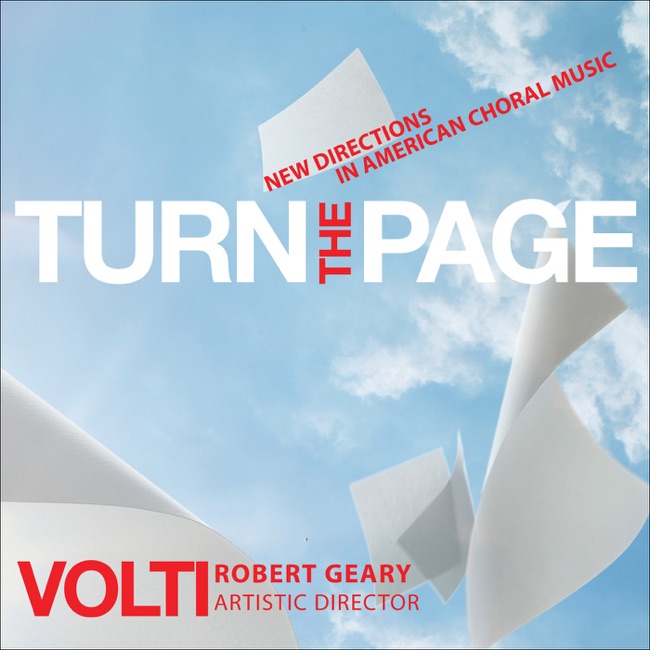 March 30, 2010
Artist Info
Role:ComposerBirth:1950 in Bronxville, NYPeriod:ContemporaryGenre:ChoralVocalWilliam Hawley is a contemporary American composer who has made significant contributions to the world of classical music. Born on August 31, 1950, in Pasadena, California, Hawley grew up in a family of musicians. His father was a composer and his mother was a pianist, which exposed him to music at a young age. Hawley began playing the piano at the age of five and later learned to play the trumpet and French horn. Hawley attended the University of California, Santa Barbara, where he earned a Bachelor of Music degree in composition. He then went on to study at the University of Southern California, where he earned a Master of Music degree in composition. During his time at USC, Hawley studied with notable composers such as Ingolf Dahl, Halsey Stevens, and Robert Linn. After completing his studies, Hawley began his career as a composer and educator. He taught at several universities, including the University of California, Santa Barbara, and the University of Southern California. He also served as the composer-in-residence for the Los Angeles Chamber Orchestra from 1984 to 1987. Hawley's music is known for its lyrical melodies, rich harmonies, and intricate textures. He draws inspiration from a variety of sources, including literature, art, and nature. His compositions range from solo works to large-scale orchestral pieces, and he has written music for a variety of ensembles, including chamber groups, choirs, and symphony orchestras. One of Hawley's most notable works is his Symphony No. 4, which was commissioned by the Los Angeles Chamber Orchestra and premiered in 1987. The symphony is a four-movement work that showcases Hawley's skill as a composer. The first movement, "Fanfare," is a bold and energetic piece that features brass and percussion. The second movement, "Elegy," is a somber and reflective piece that features strings and woodwinds. The third movement, "Scherzo," is a lively and playful piece that features the entire orchestra. The final movement, "Finale," is a triumphant and celebratory piece that brings the symphony to a thrilling conclusion. Another notable work by Hawley is his String Quartet No. 2, which was commissioned by the Kronos Quartet and premiered in 1990. The quartet is a three-movement work that showcases Hawley's skill at writing for string instruments. The first movement, "Allegro," is a fast and lively piece that features intricate rhythms and harmonies. The second movement, "Adagio," is a slow and contemplative piece that features beautiful melodies and rich harmonies. The final movement, "Allegro con brio," is a fast and energetic piece that brings the quartet to a thrilling conclusion. Hawley has also written several works for choir, including his Requiem, which was commissioned by the Los Angeles Master Chorale and premiered in 1995. The Requiem is a six-movement work that features a choir, soloists, and orchestra. The work is a powerful and moving tribute to those who have passed away, and it showcases Hawley's skill at writing for voices. The Requiem has been performed by choirs around the world and has become one of Hawley's most popular works. In addition to his work as a composer, Hawley has also been an advocate for new music. He has served on the board of directors for the American Composers Forum and has been a member of the Society of Composers, Inc. He has also been a guest lecturer at several universities and has mentored many young composers.More....


Copyright Ⓒ 2013 Davinci Finger. All rights reseved
Service Terms & Policy