


Caterina Assandra
Artist Info
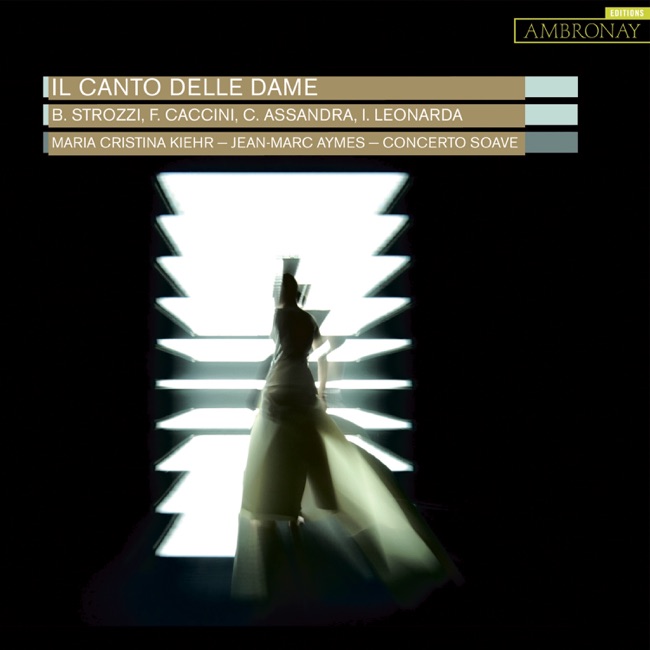
Role:ComposerCountry: ItalyPeriod:BaroqueGenre:ChoralCaterina Assandra was a prominent Italian composer of the Baroque era. She was born in 1590 in Lodi, a city in the Lombardy region of Italy. Her father, Giovanni Battista Assandra, was a musician and composer, and it is likely that he played a significant role in her musical education. Assandra's early life is not well-documented, but it is known that she entered the convent of Santa Maria Annunciata in Lodi at a young age. This was a common path for young women with musical talent in the Baroque era, as convents provided a safe and supportive environment for their musical education and allowed them to pursue their passion for music without the constraints of marriage and family. Assandra's musical talent quickly became apparent, and she began composing music for the convent's liturgical services. Her compositions were well-received, and she soon gained a reputation as a skilled composer and musician. Assandra's most significant works are her sacred vocal compositions, which include masses, motets, and psalms. Her music is characterized by its expressive melodies, intricate harmonies, and sophisticated counterpoint. Her compositions are notable for their use of chromaticism and dissonance, which were relatively uncommon in sacred music of the time. Assandra's music was published during her lifetime, which was a rare achievement for a female composer in the Baroque era. Her first collection of music, Sacrae cantiones, was published in 1618 and contained 23 motets for four to eight voices. This collection was dedicated to the Archbishop of Milan, Carlo Borromeo, and was well-received by critics and audiences alike. Assandra's second collection of music, Psalmodiae vespertinae, was published in 1623 and contained 12 psalms for four to eight voices. This collection was dedicated to the Duke of Mantua, Ferdinando Gonzaga, and was also well-received. Assandra's music was performed throughout Italy during her lifetime, and she was highly regarded by her contemporaries. Her music was praised for its beauty, complexity, and emotional depth, and she was recognized as one of the most talented composers of her time. Assandra's legacy as a composer has been somewhat overshadowed by the male composers of the Baroque era, but her music has recently been rediscovered and is gaining recognition for its beauty and historical significance. Her compositions are now being performed and recorded by ensembles around the world, and she is being recognized as a pioneering female composer who made significant contributions to the development of sacred music in the Baroque era. Assandra died in 1618 at the age of 28, leaving behind a legacy of beautiful and innovative music that continues to inspire and delight audiences today. Her life and work serve as a testament to the power of music to transcend gender, social status, and historical context, and to touch the hearts and minds of people across time and space.More....
Recent Artist Music
Copyright Ⓒ 2013 Davinci Finger. All rights reseved
Service Terms & Policy